Luxor and Karnak are Egypt's main hubs for exploring pharaonic history, distinct from Cairo's modern sprawl and Aswan's quieter river focus. Concentrated along both banks of the Nile, they give practical, time-efficient access to major temples and tombs without long internal journeys.
Include this region in a multi-day itinerary if you want to prioritize ancient sites over coast or desert stays. Luxor and Karnak typically sit in the middle of an Egypt route, linking Cairo with Aswan or serving as the embarkation or end point for a Nile cruise.
Why visit Luxor and Karnak?
Luxor and Karnak offer an intensity of pharaonic atmosphere that you do not feel elsewhere in Egypt. Here, the modern city folds around temple walls and sphinx-lined avenues, so daily life and ancient ritual spaces blur into one experience.
Dawn might find you drifting over the Nile in a hot-air balloon as the West Bank's tomb-filled hills glow pink, while evenings are spent wandering past colossal columns lit by amber spotlights.
Crossing between East and West Bank, you sense how the living city and the realms of the dead once faced each other across the water. You leave with the feeling of having inhabited an open-air temple complex rather than just visiting monuments, carrying a vivid, almost theatrical impression of how the Nile shaped belief, power, and everyday life.

Queen Hatshepsut Obelisk in the Amun Temple enclosure in Karnak, Egypt © Shutterstock
Who are Luxor and Karnak best for?
You will probably enjoy Luxor and Karnak if you like full days of cultural sightseeing and are comfortable planning around early starts and cooler evening hours. Curious first-time visitors who want to focus on ancient temples and tombs within a few days often find this area especially rewarding.
Couples who enjoy atmospheric experiences, such as quiet temple courtyards at dusk or nighttime sound-and-light shows, tend to get a lot from staying here. This works particularly well if you appreciate private guiding, flexible daily planning, and optional extras like sunrise balloon flights or specialist archaeological tours.
You may prefer another destination if your ideal trip is centered on long beach days, nightlife, or resort-style downtime with only light cultural visits, in which case Red Sea resorts usually fit better. Families with very young children who need frequent shade, playgrounds, and easy pool access might also find a beach base more relaxing.
If you are more interested in contemporary Egyptian life, street food, and modern neighborhoods than in ancient sites, Cairo or Alexandria could be a better match.
How do Luxor and Karnak fit into an itinerary?
Luxor and Karnak usually sit at the heart of a cultural trip through Egypt, rather than acting as the main arrival or departure point. Most travelers fly into Cairo first, then continue south by plane or rail once they are settled into the country's rhythm. Luxor often follows Cairo and precedes Aswan or a Nile cruise, forming the most history-focused stretch of your route. It works best as a mid-trip stop where you can pause and concentrate on one compact area instead of changing hotels every night.
Stays of three to four nights are common, giving time for structured days with a guide and at least one quieter day to adjust the pace. Luxor also functions well as a base for day trips on both sides of the Nile, which keeps logistics simple while still covering a wide range of sites. Building in this slower block of time here balances out earlier travel days and keeps your itinerary from feeling rushed.
Trips that include Luxor and Karnak
The Dahabiya sailing Egypt trip takes travelers from Cairo to Luxor, where visits to the magnificent Karnak Temple complex and Luxor Temple offer an introduction to ancient Egypt's architectural achievements. The itinerary also includes the Colossi of Memnon and the Valley of the Kings before continuing along the Nile aboard a traditional dahabiya.
The Luxury Egypt family tour with dahabiya cruise explores many of Luxor's most celebrated landmarks, including Karnak and Luxor Temples. Families can also discover the royal tombs in the Valley of the Kings and visit the Colossi of Memnon, with guided experiences that bring ancient Egyptian history to life.
For those seeking a more extensive exploration of the region, the Luxury Egypt tour | Luxor and Aswan combines visits to Karnak Temple, Luxor Temple, and the Valley of the Kings with the impressive mortuary temple of Queen Hatshepsut.
At Karnak, the Great Hypostyle Hall is a particular highlight, with its towering columns and intricate carvings offering a remarkable glimpse into the scale and artistry of ancient Egyptian architecture.
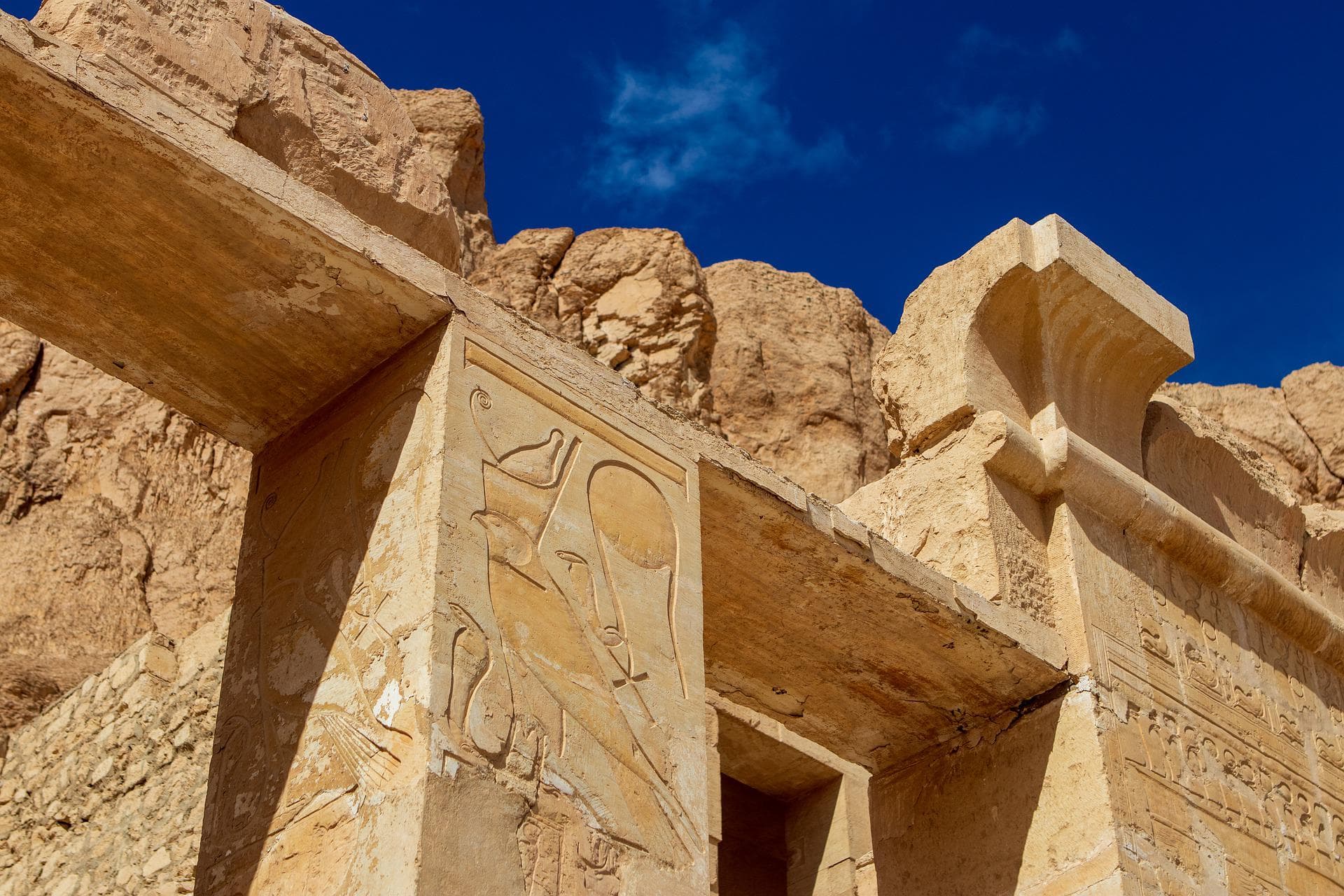
Temple of Hatshepsut, Luxor
How many days do you need?
Luxor and Karnak require at least two full days, with three to four days giving a more relaxed pace. Many travelers arrive from Cairo by plane or overnight train, so allowing a quieter first afternoon helps before early starts at the main sites.
| Days | Recommended focus |
|---|---|
| 1 day | Brief highlights: usually Karnak and Luxor Temple on the East Bank, plus a quick sense of the Nile setting. Works mainly for cruise stopovers or very tight itineraries. |
| 2 days | Balanced East and West Bank visit, including major temples and a few key tombs, with time to see at least one temple lit up at night. |
| 3 days | Deeper exploration of additional tombs or less-visited temples, with a slower afternoon for the corniche, museums, or pool time. |
| 4+ days | Ideal for travelers who enjoy detailed site visits, specialist guiding, or add-ons such as sunrise balloon flights and photography-focused outings. |
Best region combinations
Luxor and Karnak combine naturally with Cairo, Aswan, and Nile cruising for a culture-focused journey.
A classic order is Cairo - Luxor - Aswan, usually flying between cities; this builds from museum collections and Giza's pyramids to the temples and tombs of Upper Egypt, finishing with calmer Nile landscapes.
Another option is Cairo - Luxor (as a boarding point) - Nile cruise - Aswan, turning temple visits into a slower river journey with sailing stretches between stops. Travelers wanting desert contrast can add Abu Simbel as a day trip from Aswan.
Those keen on mixing history with beach time often end with a Red Sea stay, reached by road or a short flight from Luxor, creating a route that shifts from intensive sightseeing to relaxed coastal downtime.
When is the best time to visit Luxor and Karnak?
The most comfortable months in Luxor and Karnak are roughly October to April, widely considered the best time to visit Egypt, when daytime temperatures are warm but not extreme and it is easier to spend long hours among open-air temples and tombs. This is also the busiest period, so early starts help avoid both heat and crowds.
Summer brings intense heat but far fewer visitors, and it can work if you focus on very early morning or late-afternoon touring with long midday breaks. The shoulder seasons are useful for combining Luxor with Cairo or the Red Sea, allowing you to adjust the order of your route to follow the best weather patterns.
Local experts often shift more demanding West Bank visits to the coolest parts of the day, build in rest periods at your hotel and reorder site visits if heat, wind or river conditions affect the plan.
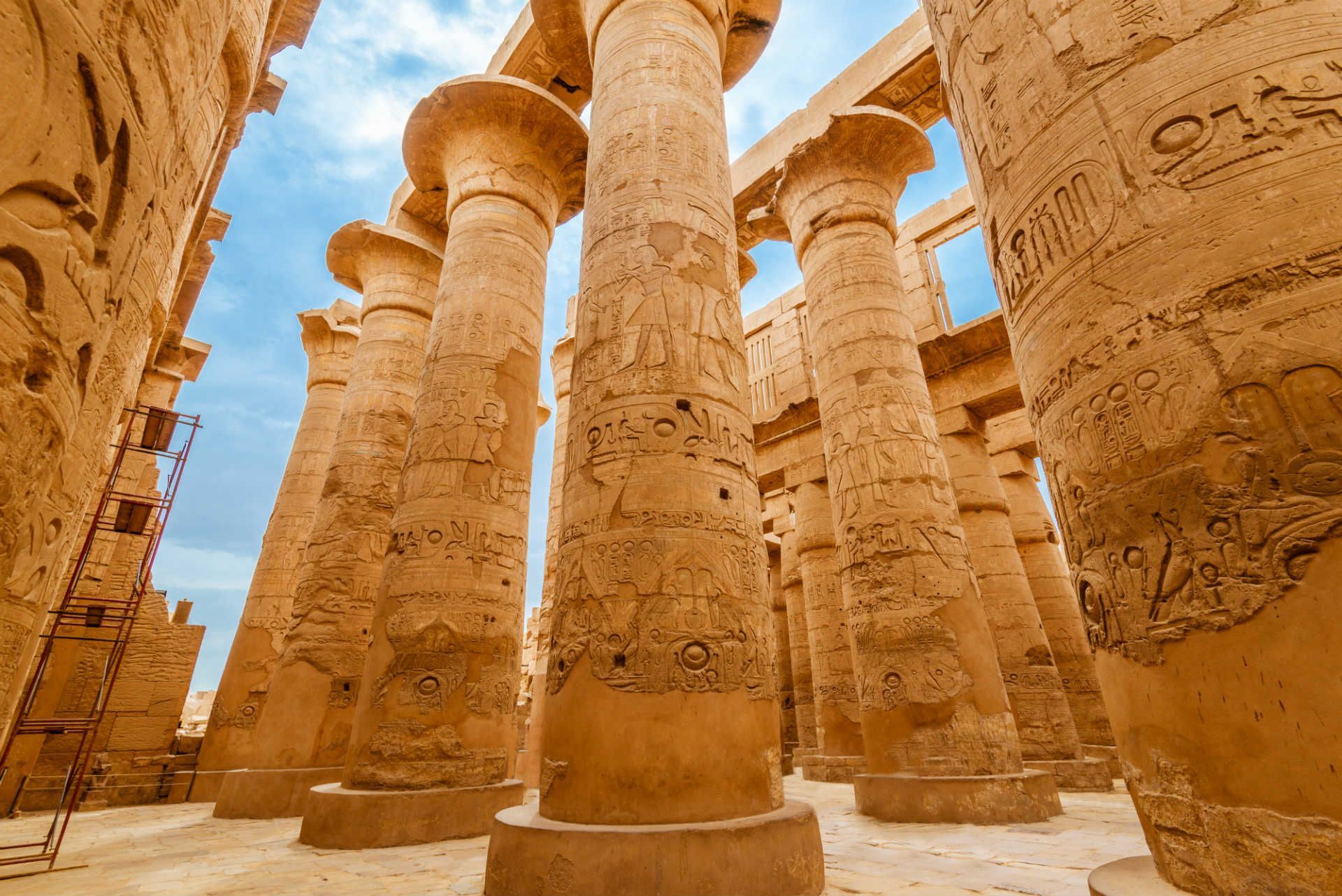
Karnak temple
Experiences to include in in Luxor and Karnak
Luxor and Karnak reward unhurried exploration. Focus on layered experiences rather than ticking off individual sites: sunrise starts on the West Bank, slow evenings among floodlit columns, and time on the Nile between intense temple and tomb visits.
Trace pharaonic processions between Karnak and Luxor Temple
Walk the Avenue of Sphinxes linking Karnak and Luxor Temple to sense how ancient festivals once flowed through the city. An afternoon-into-evening visit lets you experience shifting light, cooler temperatures, and the drama of columns and courtyards gradually illuminated.
Immerse yourself in the West Bank's tombs and desert cliffs
Dedicate at least one morning to the West Bank, home to some of the top attractions in Egypt, combining the Valley of the Kings with nearby sites such as Deir el-Bahri. The contrast between fertile Nile fields and stark cliffs underlines why this landscape was chosen to represent the afterlife.
See Luxor from above on a sunrise balloon flight
A dawn hot-air balloon flight over Luxor's West Bank gives a rare overview of the Nile, cultivated fields, and scattered temple complexes. It suits early risers willing to trade sleep for soft morning light, cooler air, and a distinctive start to the day.
Slow down along the Nile Corniche
Set aside an unstructured afternoon to stroll Luxor's Nile corniche or take a short felucca sail opposite Banana Island. This quieter time between temple visits helps balance archaeology-heavy days and suits travelers who appreciate people-watching and river views without a set agenda.
Experience temples after dark
Visiting Luxor Temple after dark or attending the evening sound-and-light show at Karnak offers a different atmosphere from daytime touring. Cooler temperatures, strategic lighting, and smaller crowds make it easier to focus on carved details and the scale of the architecture.
Explore quieter East Bank corners and local life
Beyond the main temple complexes, wandering back streets near Luxor Temple or visiting the markets around Luxor Souq reveals how daily life unfolds beside ancient walls. Allow a couple of hours for relaxed exploration, informal shopping, and cafe stops between major sights.

Relief showing Seti first in front of Anubis in his tomb at the Valley of Kings, Luxor, Egypt © Shutterstock
Planning Luxor and Karnak with local expert tips
Luxor brings together several strands of an Egypt itinerary, from Nile cruises to road journeys through Upper Egypt. The challenge is not simply reaching the city, but arranging visits on both banks of the Nile without spending too much of the day crossing back and forth. Local planning can make the sequence noticeably smoother.
Where to stay in Luxor and Karnak
The Nile divides many of Luxor’s practical choices. Hotels on the East Bank are convenient for Karnak Temple, Luxor Temple, the railway station and many restaurants, while the West Bank can suit a quieter stay closer to the archaeological areas across the river. Your local expert can choose between them according to how your days are arranged, rather than automatically placing you in the center.
If several mornings begin on the West Bank, staying there can reduce repeated crossings. On the other hand, an East Bank hotel may make more sense before joining a Nile cruise or catching a train. There is rarely a need to change hotels simply to experience both sides. When a cruise departure follows your stay, your expert can select accommodation that keeps the final transfer short and straightforward.
How transportation can be arranged
Luxor rewards planning by area. Karnak and Luxor temples lie on the East Bank, while the Valley of the Kings and many other archaeological sites are across the Nile on the West Bank. Instead of crossing between them repeatedly, your expert can arrange a private vehicle and guide so each part of the day stays geographically focused.
Boat crossings can also be incorporated when they make the route more convenient. What happens after Luxor influences the plan as well. You might board a Nile cruise, take a train, fly onward or continue by road toward places such as Dandarah. Giving Luxor another night creates more room to separate the two banks, but may reduce time elsewhere in Egypt.
If your cruise boards in the afternoon, your expert can keep that morning on the East Bank and finish near the embarkation point.


