Fez is one of Morocco's key urban centers for history and religious scholarship, with a dense, largely car-free medina and active craft traditions that differ from those in coastal cities and desert routes. It deserves a place in a multi-day itinerary if you want to focus on urban culture, historic neighborhoods, and everyday life rather than beaches or resort stays.
This region suits travelers who are comfortable walking, navigating narrow streets, and spending time in markets and older districts. It usually works best as a central stop linking Rabat or Casablanca with the Sahara, or as part of a shorter northern circuit combined with Meknes and Volubilis.
Why visit Fez?
Fez offers an intensity of daily life that feels largely unchanged by time, more immersive than most other cities in Morocco. Walking through its car-free alleys, you move from the echo of Qur'anic recitation to the hiss of copper being hammered, the air shifting from spice-heavy grocers to the sharp scent of nearby tanneries.
Rather than a backdrop for sightseeing, the medina becomes a living classroom in craftsmanship, faith, and neighborhood routines, where ovens, fountains, and small workshops still serve local residents. At dusk, the rhythm softens as calls to prayer roll across tiled rooftops and lamplight picks out doorways into quiet inner courtyards.
You leave Fez with a felt sense of how tradition shapes everyday decisions: how people work, worship, and gather, in a way that is harder to glimpse in more modernized Moroccan cities.
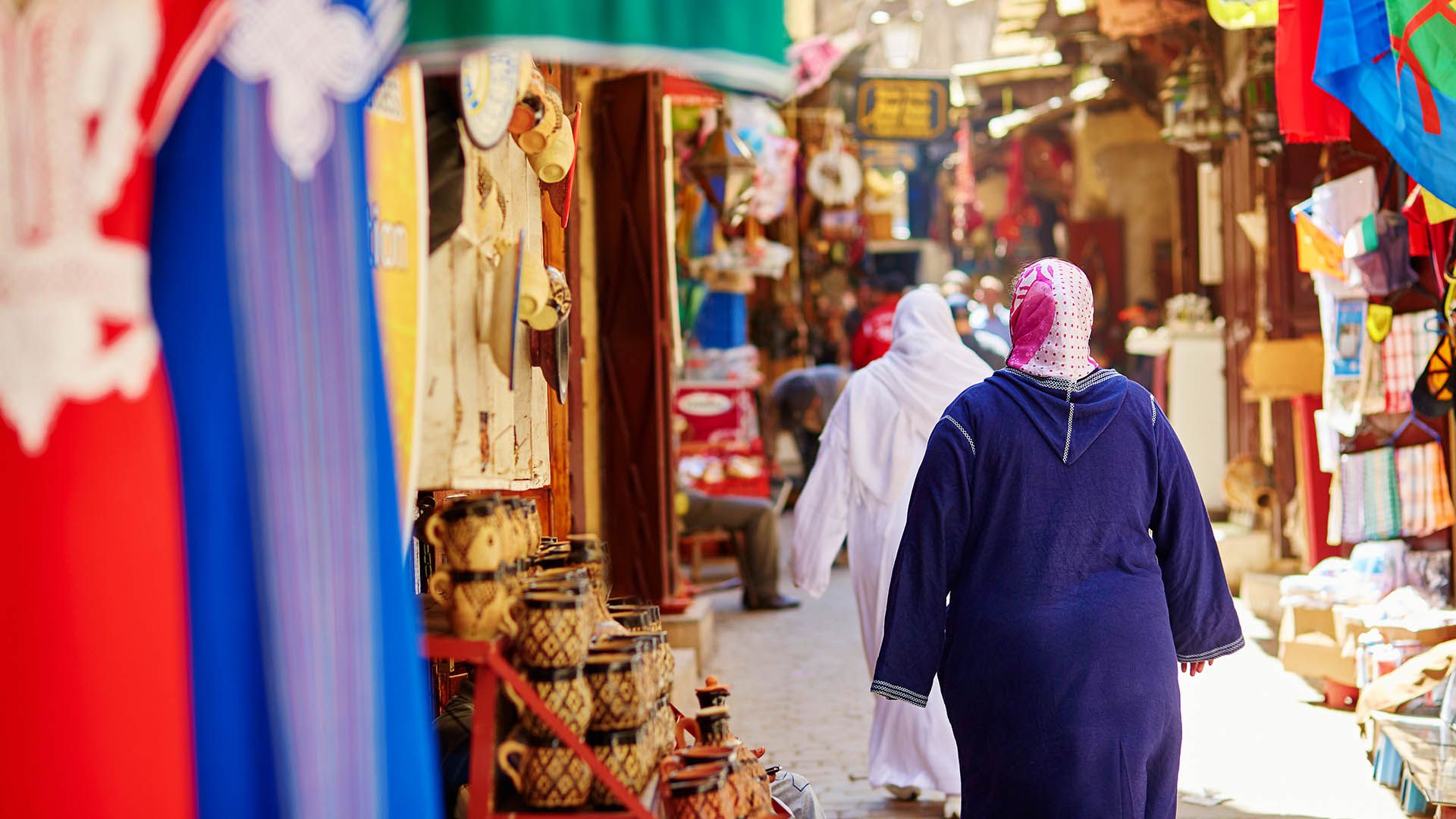
Women in the Moroccan market (souk) in Fez, Morocco
Who is Fez best for?
You’ll probably enjoy Fez if you like immersing yourself in everyday life rather than ticking off major landmarks. Travelers who are happy to wander on foot, follow their curiosity into side streets, and spend time watching artisans at work tend to find it especially rewarding.
It works particularly well for culture-focused trips, couples or solo travelers who enjoy slower evenings in riad courtyards, and repeat visitors to Morocco who want to go beyond classic beach or desert stays. Families with older children who are comfortable in busy, sensory environments may also find it engaging.
You may prefer another destination if you mainly want a resort-style break, easy beach access, or nightlife-driven evenings. Very young children, travelers who dislike crowds or narrow lanes, and anyone who needs frequent car access at the doorstep may feel more relaxed in coastal cities or modern quarters elsewhere in Morocco.
If your priority is dramatic desert scenery or hiking, Fez can work as a short cultural stop rather than the main focus of your trip.
How does Fez fit into an itinerary?
Fez usually works best as a mid-trip stop rather than a simple gateway, often following time on the Atlantic coast or in Rabat and Casablanca, and preceding a journey toward the Sahara or the north.
Many travelers spend two or three nights here, long enough to settle into the rhythm of the medina without slowing the rest of their route too much. Fez can also anchor the central portion of your holiday when combined with Meknes and Volubilis, creating a culturally rich middle chapter between lighter-paced coastal or desert stays.
Because the old city is compact yet intense, Fez is a practical base for nearby day trips, allowing you to return to the same riad each night instead of packing and unpacking.
Building Fez into your plans in this way creates a slower, more reflective stretch within a wider Morocco trip, giving you a natural pause between longer driving days and more landscape-focused stops.
Trips that include Fez
The Morocco hiking tour with High Atlas and desert trails offers a comprehensive exploration of Fez. On Day 3, travelers journey from Chefchaouen to Fez, stopping at the Roman ruins of Volubilis and Meknes before arriving in Fez in the evening. The following day is dedicated to exploring the Fez medina, with guided walks through its historic alleys and artisan quarters. Another trip, the Authentic culture and desert Morocco trip, also includes Fez. On Day 3, the itinerary takes travelers from Chefchaouen to Fez, allowing time to unwind or begin exploring the city. Day 4 is spent discovering Fez's spiritual and cultural heart, with visits to its medina, medresses, and tanneries.
Local experts can tailor these routes to include hidden artisan workshops and lesser-known historical sites in Fez.
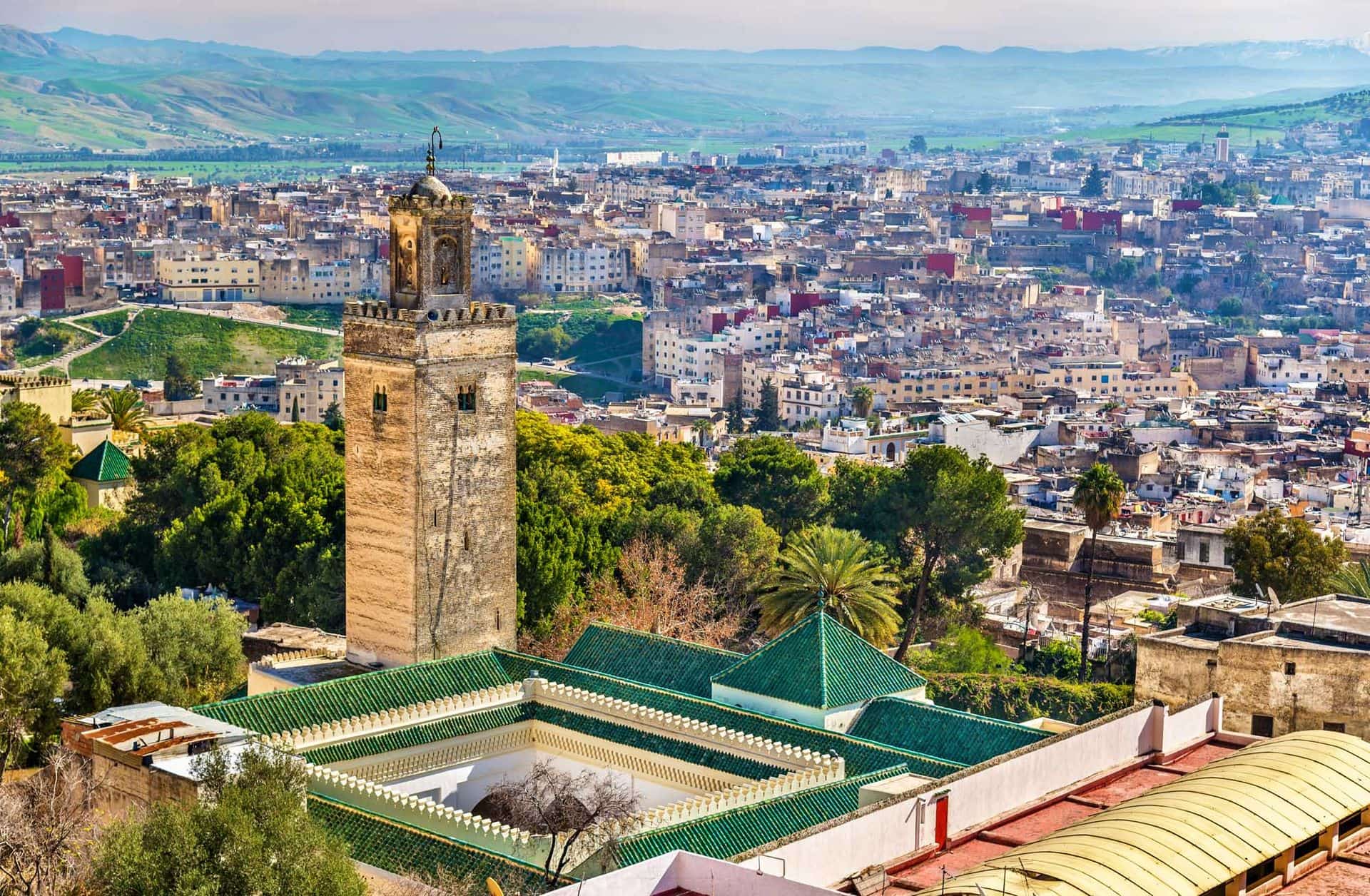
Mosque at Bab Guissa Gate in Fez - Morocco
How many days do you need?
Most travelers find two to three days in Fez enough to experience the medina without feeling rushed. With one full day, you can walk key quarters of Fes el-Bali, visit a madrasa, and get an initial feel for the souks.
Two days let you balance guided exploration with time to wander, shop for crafts, and enjoy slower evenings on a riad terrace. Three days make room for deeper dives into artisan neighborhoods or a half-day visit to the newer parts of the city.
Stays of four nights or more work well if Fez is your cultural base between longer drives to the Sahara, Chefchaouen, or the Atlantic coast.
| Days | Recommended focus |
|---|---|
| 1 day | Headline Medina highlights with a focused walking tour |
| 2 days | Balanced mix of guided sightseeing, souks, and relaxed evenings |
| 3 days | Deeper medina exploration plus a taste of modern Fez |
| 4+ days | Slow-paced cultural stay with time for nearby day trips |
Best region combinations
Fez combines naturally with Meknes and the Roman ruins of Volubilis, creating a compact northern history loop with short drives and dense sightseeing days.
Pairing Fez with Chefchaouen adds quieter mountain scenery and slower walks through blue-painted lanes, offering a softer contrast to the medina's intensity.
Many travelers link Fez with the Sahara via Midelt and the Ziz Valley, turning the city into a cultural prelude to desert dunes and stargazing.
Connecting Fez to Rabat or Casablanca works well for first-time visitors who want a clear arc from coastal modernity to traditional urban life.
For a week or more, combining Fez with Marrakech frames a trip around Morocco's two great imperial cities, with a night or two en route in the Middle Atlas to break the journey.
When is the best time to visit Fez?
Spring from March to May and fall from late September to November are generally the best time to visit Morocco for a stay in Fez. Daytime temperatures are comfortable for long walks through the medina, while evenings are well suited to rooftop dining.
Summer can be very hot, making midday sightseeing tiring. Travelers often plan activities for early morning and evening, with more time to rest in a riad during the hottest part of the day. Winter is cooler and sometimes rainy, but quieter streets, lower prices and clearer air appeal to visitors focused on culture.
Local experts can adapt routes and pacing to the season, choosing shaded alleys and indoor visits in summer or concentrating walking tours into the brightest and driest hours in winter.
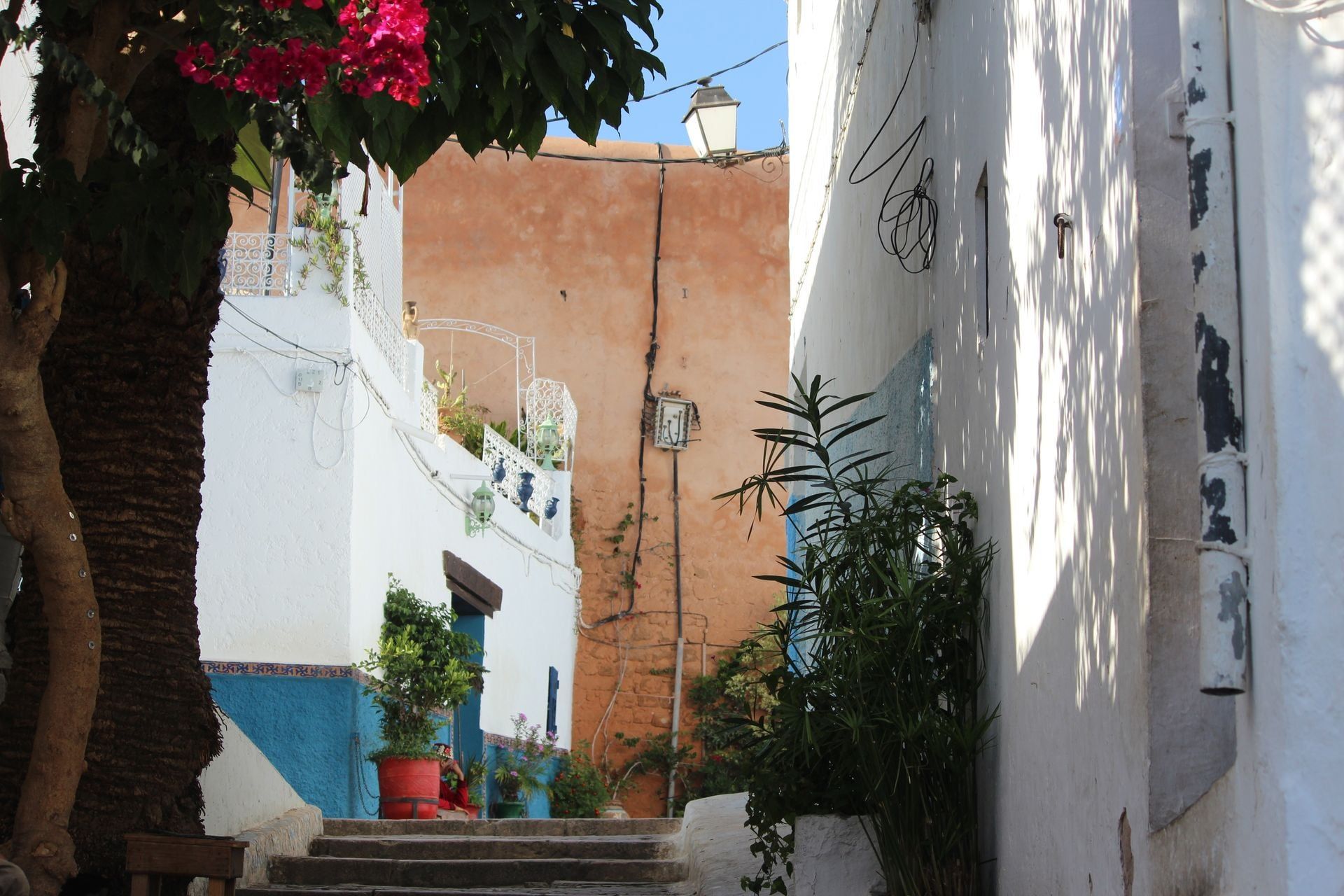
Fez
Experiences to include in Fez
Fez is one of Morocco’s most historic cities, known for its maze-like medina, traditional crafts, religious landmarks and centuries-old architecture. The best things to do in Fez include exploring Fez el-Bali, visiting the Bou Inania Madrasa, seeing the city’s famous tanneries and discovering workshops, markets and rooftop views across the old city. It is an essential stop for travelers interested in Morocco’s culture, history and living traditions.
Lose yourself in Fez el-Bali's alleys
Spend half a day walking the lanes around Bab Bou Jeloud, Nejjarine Square, and the streets near Al-Qarawiyyin Mosque. Away from the main thoroughfares, everyday shops, bakeries, and small tanneries show how the medina works as a lived-in neighborhood.
Explore traditional crafts in the souks
Dedicate two to three hours to the artisan quarters between Place R'cif and Attarine. Watching copperwork in Seffarine Square or woodworking near Fondouk El Nejjarine highlights Fez's craft heritage and lets you support family workshops that still use time-worn techniques.
Unwind in a courtyard riad
Plan quiet afternoons or evenings in a riad near Talaa Kebira or Talaa Seghira. Shaded courtyards, tiled salons, and rooftop views over Fes el-Bali give you a retreat from the medina's intensity and suit travelers who prefer calm, atmospheric bases over large hotels.
Sample Fez's distinctive cuisine
Set aside an evening for a slow dinner in the medina, perhaps near Bab Bou Jeloud or in the Fes Jdid district. Tasting pastilla, slow-cooked tagines, and seasonal salads offers a relaxed way to experience local food culture without adding more walking to your day.
Contrast old and new in Fez el-Jdid and Ville Nouvelle
Allow half a day to leave Fes el-Bali for Bou Jeloud Gardens, the royal palace area in Fez el-Jdid, and the café-lined avenues of Ville Nouvelle. The move from tight alleys to wide boulevards shows how contemporary Fez has grown around its historic core.
Take a day trip to Meknes or Volubilis
Use Fez as a base for a full-day excursion to Meknes or the Roman ruins of Volubilis near Moulay Idriss, both among the top attractions in Morocco. Open spaces, quieter streets and sweeping countryside views provide historical context and a gentler rhythm after time in the dense medina.
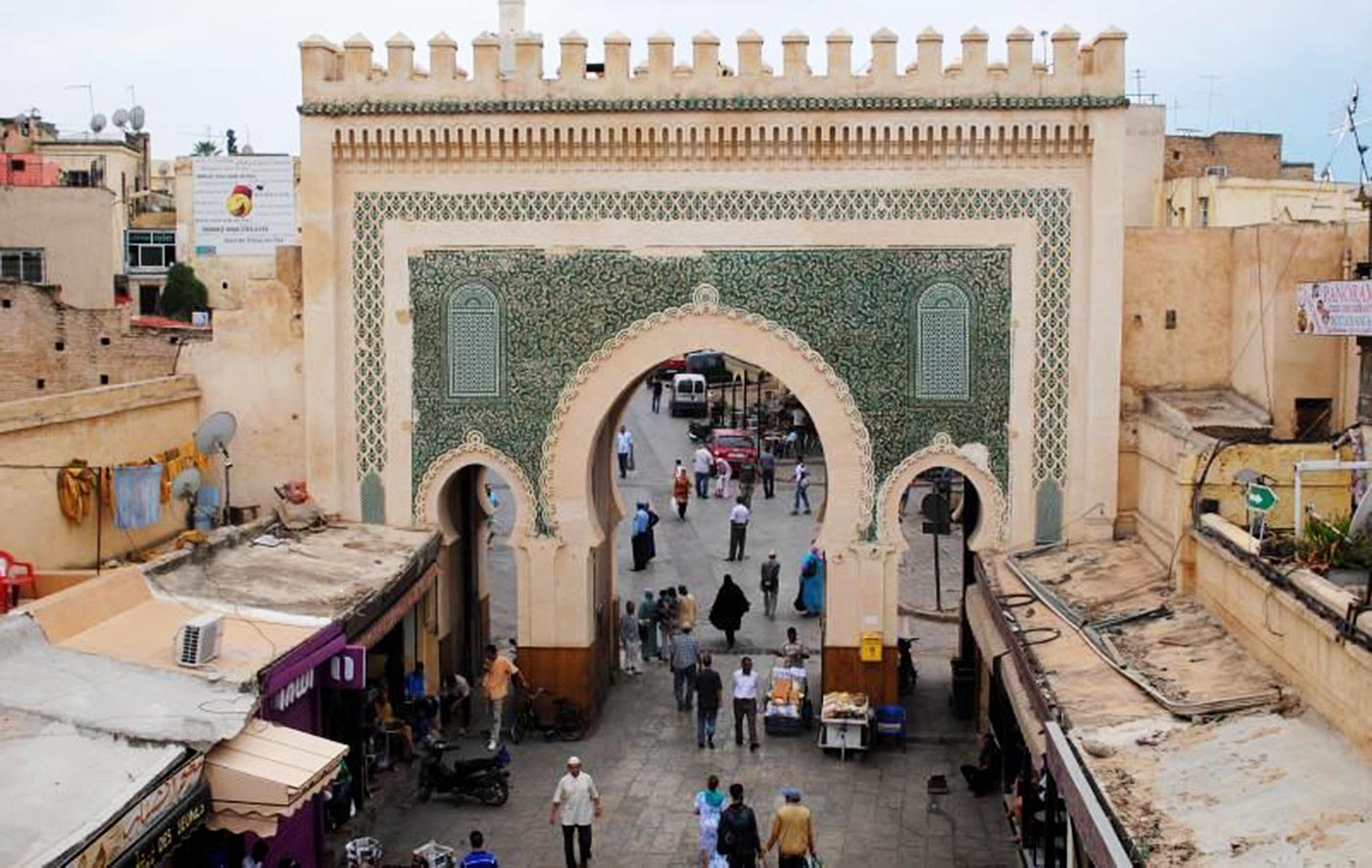
Fez, Morocco
Planning Fez with local expert tips
Fez rewards a little logistical thinking because the medina operates on foot while the wider Morocco journey relies on road or rail connections. A local expert can plan where you stay, where a driver can meet you and how Fez connects with places such as Rabat, Meknes or the Middle Atlas without letting transfer arrangements dictate your time in the city.
Where to stay in Fez
A riad inside Fez el Bali places you within the historic medina, but location matters when vehicles cannot reach the door. Some properties involve a longer walk from the nearest accessible street, which may be charming during the day but less convenient with luggage or an early departure. Staying closer to a medina gate can simplify pickups, while hotels in the Ville Nouvelle offer direct vehicle access and a different setting altogether.
Your local expert can choose a base according to how much time you plan to spend in the medina and what comes immediately afterward. They can also arrange luggage assistance where needed. If your next day begins with a longer drive toward the Middle Atlas, for example, your expert can select a riad near a practical meeting point instead of making the morning unnecessarily complicated.
How transportation can be arranged
Fez can slot into a Morocco itinerary by train or private road transfer, and the better option depends on the stops around it. Rail works well when connecting with cities on the network, while a private driver becomes more useful if the route includes smaller towns or continues through the Middle Atlas. Within the medina itself, exploration is on foot, so your driver and guide may meet you at an agreed gate rather than at the hotel entrance. This is worth arranging before arrival, especially when luggage is involved.
There is also a choice between using Fez as a base for nearby outings and moving on to another overnight stop. If Meknes is part of your plans before continuing elsewhere, your expert can incorporate it into the onward road journey rather than sending you out and back from Fez.


