The High Atlas is Morocco's highest and most dramatic mountain range, with remote valleys, traditional Berber villages, and steep passes that feel very different from the country's cities and desert plateaus. It deserves a place in a multi-day itinerary if you want cooler temperatures, reliable hiking options, and direct access to small rural communities.
Experiences here focus on walking and trekking, low-key village exploration, and scenic drives over mountain passes, usually paired with time in Marrakech and sometimes extended toward the Sahara or Atlantic coast. It suits travelers who prefer active days, simple but characterful accommodation, and quieter evenings rather than urban nightlife.
Why visit the High Atlas?
The High Atlas offers an immediacy of mountain life that you will not find elsewhere in Morocco. Trails rise directly from village lanes into high passes where mules, not cars, set the pace, and terraced fields cling to steep slopes within sight of snow-covered summits.
In a single walk, you can move from walnut groves and orchards to stark, high-altitude ridges, passing communal bread ovens and stone houses that seem carved from the mountains themselves. Ancient irrigation channels still feed small fields, so you see traditional farming practiced in dramatic alpine surroundings rather than in broad plains.
Dawn and dusk bring rapid shifts of light and color across the peaks, best seen from simple rooftop terraces or quiet lookout points. This close interweaving of everyday Berber life with serious mountain terrain is concentrated here in a way that feels different from other Moroccan landscapes.

Cliff side hangs over road on the Tizi n'Test Pass through Atlas Mountains, Morocco.
Who is the High Atlas best for?
You will probably enjoy the High Atlas if you like earning your views on foot, do not mind early starts, and are comfortable with simple comforts after active days. Hikers, trail runners, and keen walkers can fill days with varied routes, while photographers who enjoy changing light, village scenes, and big skies often value the unhurried pace.
Families with older children who like being outdoors and exploring on foot may also find it rewarding. Road trip travelers who enjoy winding mountain drives and dropping into small communities rather than large resort towns often connect well with this region.
You may prefer another destination if you want a beach break, nightlife, or a resort-style stay with many on-site amenities. Anyone who dislikes mountain roads, has limited mobility, or prefers very polished, urban-style luxury might be happier focusing on Marrakech, the Atlantic coast, or Morocco's desert lodges instead.
How does the High Atlas fit into an itinerary?
The High Atlas usually sits in the middle of a Morocco trip, acting as a slower interlude between time in cities such as Marrakech and longer journeys toward the Sahara or the Atlantic coast.
Most travelers treat it as a dedicated mountain section with one main base for 2-3 nights, avoiding frequent hotel changes and using private transfers or a driver to move in and out of the range.
Others pass through as part of a broader north-south route, breaking the drive with a single overnight. Including the High Atlas typically shifts the pace of your itinerary toward fewer scheduled activities and more unstructured time, with early starts, quieter evenings, and a focus on walking or resting at your guesthouse.
This change of rhythm helps balance the denser sightseeing days that often bookend a holiday in Morocco.
Trips that include The High Atlas.
The Morocco hiking tour with High Atlas and desert trails offers a comprehensive exploration of Morocco's diverse landscapes. On Day 9, travelers journey to the Amizmiz Valley, located at the foothills of the Atlas Mountains, and continue to Imlil in the High Atlas. The itinerary includes acclimatization walks through Berber villages and a full day of trekking in the High Atlas Mountains, providing an immersive experience in this iconic region. Similarly, the Authentic culture and desert Morocco trip crosses the High Atlas Mountains on Day 5, offering travelers a scenic drive through this majestic range, including a stop at the Tizi N’Tichka Pass, before arriving in Marrakech. These trips highlight the natural beauty and cultural richness of the High Atlas region.
Local experts can tailor these routes to include additional cultural experiences or more challenging hikes in the High Atlas.
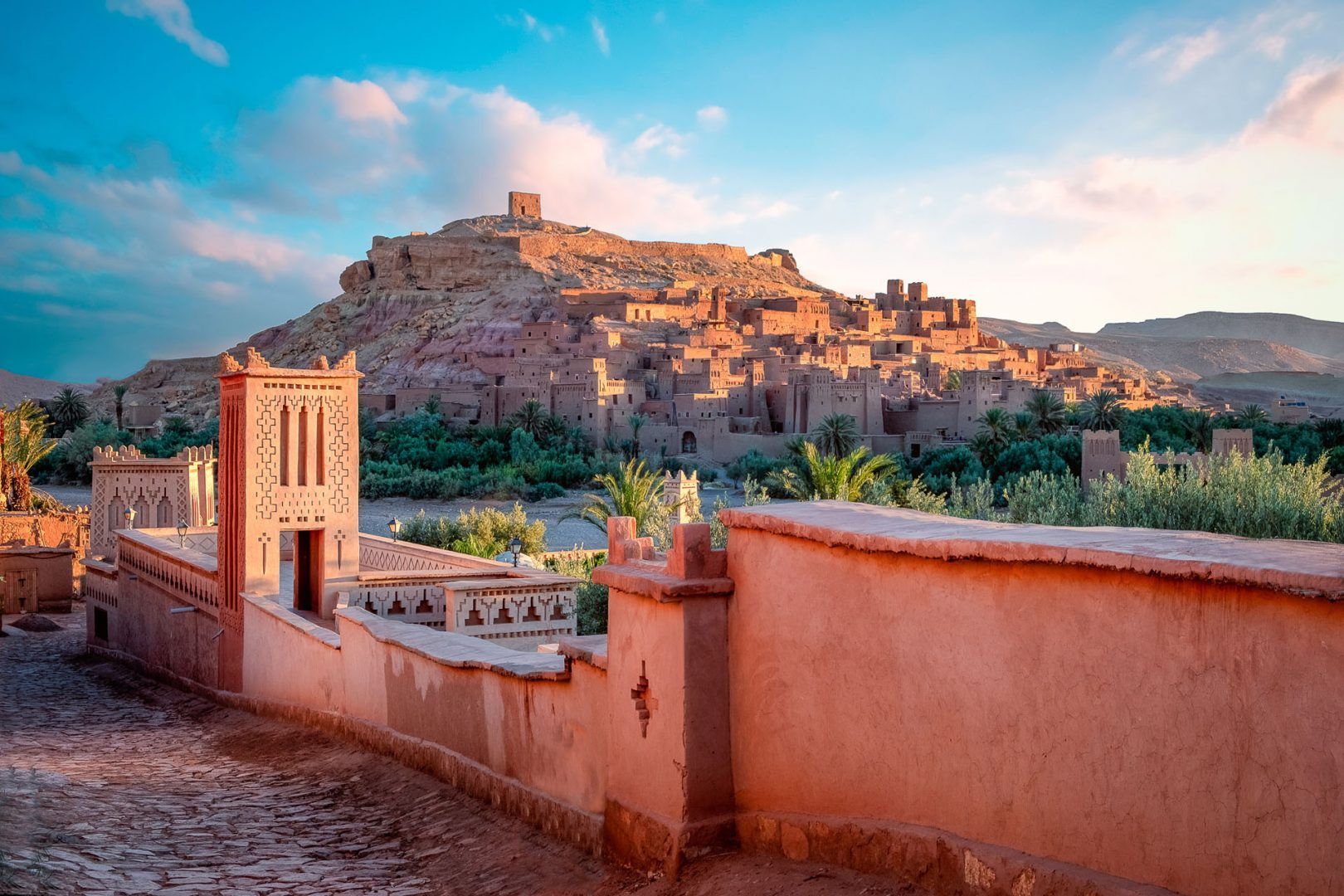
Atlas Mountains Morocco
How many days do you need?
Most travelers allow 2-3 days in the High Atlas to get a feel for village life and enjoy at least one decent hike without rushing. In only one night, you can break the journey from Marrakech with a short walk and scenic viewpoints, but you will mostly be passing through.
A longer stay lets you slow down, adapt to altitude changes, and experience the mountains in different lights at sunrise and sunset.
| Days | Recommended focus |
|---|---|
| 1-2 days | Scenic drives, short guided walks, one base village or lodge |
| 3-4 days | Mixed day hikes, village visits, and time to relax at your guesthouse |
| 5+ days | Multi-day trekking routes, deeper immersion in Berber mountain life |
Extra days are most valuable if you enjoy hiking or want a clear change of pace between busier parts of your Morocco itinerary, while a shorter visit works well as a simple break in the journey.
Best region combinations
A classic combination is Marrakech and the High Atlas, starting with the city's markets and gardens before escaping into cooler mountain air. The drive from Marrakech to popular High Atlas valleys typically takes 1.5-3 hours, making the shift from medina alleys to open landscapes feel dramatic but easy.
For a longer circuit, many travelers link the High Atlas with the Ouarzazate and Ait Benhaddou area, crossing a high pass by road in about 4-5 hours. This route connects green valleys and peaks with kasbahs and semi-desert scenery, giving a strong sense of Morocco's changing geography.
The High Atlas also pairs well with the Sahara around Merzouga or M'hamid. Travelers often visit the mountains first, then continue southeast over a couple of days. This sequence highlights how fertile valleys thin into rocky plateaus and finally sand dunes, offering very different walking and night-sky experiences.
Another option is to combine the High Atlas with the Atlantic coast at Essaouira, usually traveling via Marrakech in 4-6 hours total. Here, mountain trails and village life contrast with sea air, beaches, and relaxed port-town streets.
When is the best time to visit the High Atlas?
Spring from March to May and fall from September to early November are generally the best time to visit Morocco for exploring the High Atlas. Clear skies and moderate daytime temperatures suit hiking and road travel between valleys, although higher passes can still hold snow in early spring.
Summer is hotter in the lowlands, but the mountains remain relatively cool, making them a welcome escape from city heat. Midday walks can still feel exposed, so hikes are often planned for early morning or late afternoon. In winter, snow may close higher tracks and slow some roads, though lower villages usually remain accessible and the scenery is especially dramatic.
Winter works well for travelers who prioritize mountain views, cozy lodges and shorter walks over ambitious trekking. Flexible itineraries can focus on lower valleys and avoid the highest passes when conditions change.

Glaoui Kasbah at Telouet in the Moroccan Atlas © Nicolas VINCENT/Shutterstock
Experiences to include in the High Atlas
The experiences below focus on the High Atlas at its best: walking through valleys, crossing mountain passes, and spending unhurried time in villages and landscapes that define this part of Morocco.
Walk the valleys around Imlil and Aroumd
Base yourself in Imlil to follow gentle trails through walnut groves and stone villages up to Aroumd, with views of Mount Toubkal's summit ridge. Allow half a day to a full day. Paths are rocky but manageable for reasonably fit walkers and families who enjoy steady climbs, village encounters, and mountain scenery.
Hike to mountain viewpoints above Ourika Valley
From Setti Fatma in the Ourika Valley, follow marked paths toward the lower waterfalls and viewpoints over the river and terraced fields. A half-day is usually enough. Trails are busy near the village, then quieten higher up. Ideal for travelers wanting accessible hiking, cooler air, and an easy day out from Marrakech.
Traverse the Tizi n'Tichka Pass by scenic mountain road
Driving the Tizi n’Tichka Pass on the N9 between Marrakech and Ouarzazate is one of the top attractions in Morocco, revealing dramatic views of high peaks, deep valleys and remote hamlets. Allow most of a day for photo stops and short walks, and expect winding roads and changing weather. The route best suits confident road trippers who value striking landscapes over long hikes.
Explore the Ait Bouguemez Happy Valley
In the Ait Bouguemez Valley, multi-hour walks link villages like Tabant and Ifrane, crossing fields and rivers beneath the M'Goun massif. Spend at least a full day, ideally two. Trails are moderate rather than extreme. This area suits travelers seeking quieter paths, broad valley views, and deeper immersion in Berber rural life.
Follow ridge and forest trails in the Ouirgane area
The hills and juniper forests around Ouirgane and the Toubkal National Park boundary offer gentler walking than higher valleys, with red-earth slopes and lake views. Plan a half-day or full day on undulating tracks. It suits travelers who prefer softer gradients, birdlife, and scenic picnics over strenuous ascents.
Take a mule-supported hike toward Toubkal Refuge
For a more demanding outing, hike from Imlil through Sidi Chamharouch toward the Toubkal Refuge, using mules to carry bags if desired. Allow a full day for an out-and-back walk without the summit. Trails are steep and high, suiting fit hikers wanting a taste of serious High Atlas terrain without committing to a full ascent.
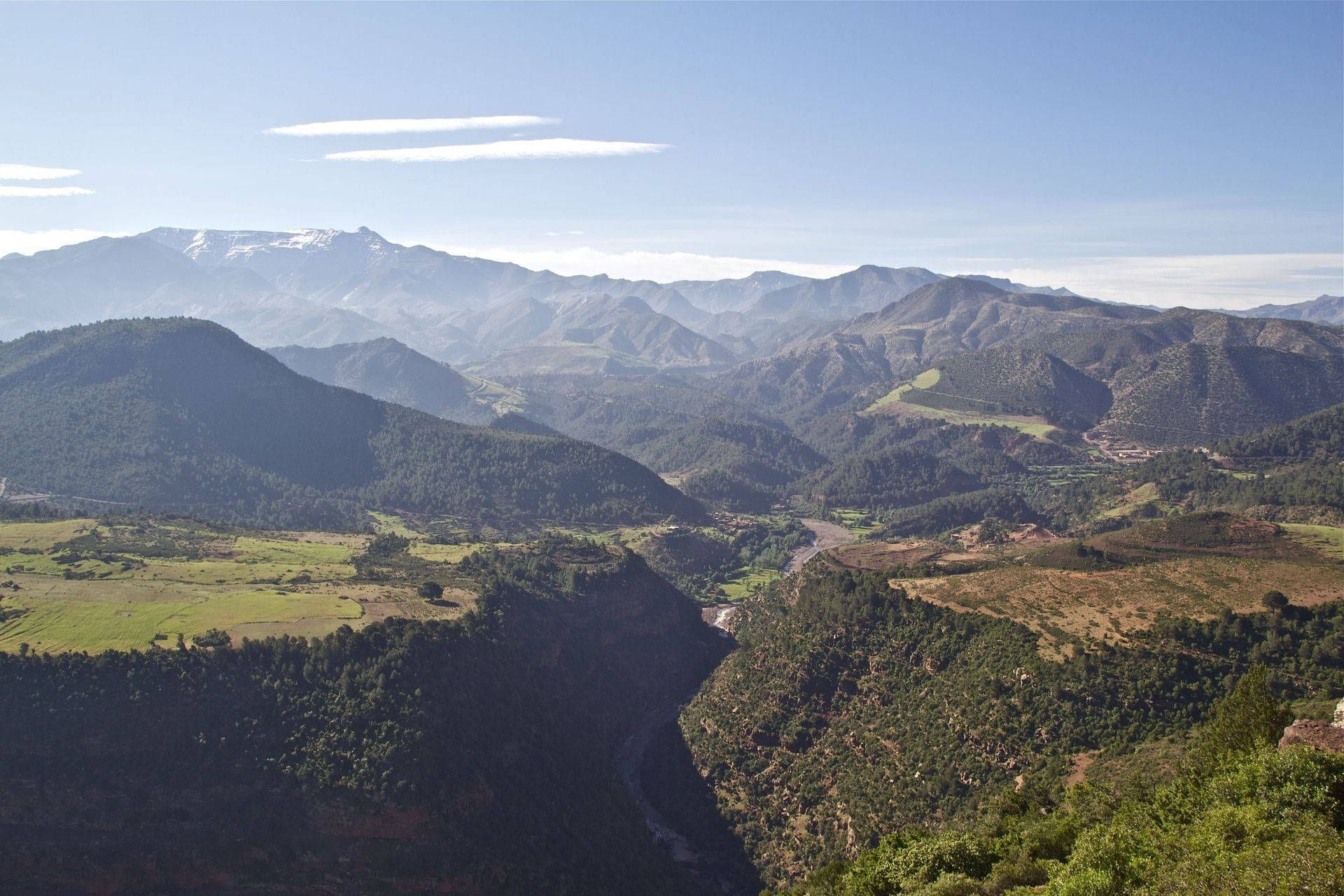
Atlas Mountains
Planning the High Atlas with local expert tips
The High Atlas can change the rhythm of a Morocco itinerary quickly, taking you from Marrakech into mountain valleys and villages where road conditions and accommodation locations matter. A local expert can shape this part of the journey around the particular valley you want to explore, rather than treating the mountains as a single stop on the map.
Where to stay in the High Atlas
Accommodation is scattered across the mountains, so choosing the right valley often matters more than choosing between individual hotels. Imlil is a practical base for walking around the Toubkal area, while the Ourika Valley offers easier access from Marrakech. Elsewhere, mountain lodges and guesthouses can place you farther from busy routes but may require longer transfers on smaller roads.
Your local expert can select a property according to the walks you want to do and the direction of your wider journey. Moving between mountain hotels every night can use up time that would be better spent outdoors, particularly when the roads are slow. If hiking is your priority, your expert can keep you in one well placed mountain base and arrange guides and trail transfers from there rather than building the stay around frequent hotel changes.
How transportation can be arranged
Private road transport is usually the most flexible way to incorporate the High Atlas into a wider Morocco route. From Marrakech, the journey can head directly into the mountains, but the exact transfer depends on the valley and accommodation chosen. Some properties are reached by narrow mountain roads, and certain walking routes may begin beyond the point where a standard vehicle can comfortably continue.
Your local expert can arrange a suitable vehicle, driver and local guide so those stages connect properly. Mountain conditions can also affect journey times, making an overly ambitious onward schedule a poor use of the day. If the itinerary continues toward southern Morocco, your expert can choose a route that carries you onward through the mountains where practical, instead of automatically returning to Marrakech before starting the next leg.


