Cape Town and the Peninsula stand out from other South African coastal areas by combining a compact city, the Table Mountain backdrop, and varied beaches within short driving distances. You can move quickly between urban restaurants, family-friendly bays and exposed Atlantic viewpoints in a single day, which is harder in more spread-out coastal regions.
This region works best as a flexible base rather than a pure beach escape. It usually sits at the start or end of a wider South Africa itinerary that might include the Winelands, the Garden Route or a safari, allowing time for city sightseeing, day trips and some beach hours without making the whole trip coast-focused.
Why visit Cape Town and the Peninsula?
Cape Town and the Peninsula deliver a blend of ocean, mountain and city experiences you will not find elsewhere in South Africa. You can ascend Table Mountain by cable car and then follow short summit trails across a plateau of endemic fynbos, with sheer drops to the Atlantic on one side and the city on the other.
Around Cape Point, steep sea cliffs and exposed headlands give a tangible sense of the meeting of Atlantic and Indian Ocean currents. Within minutes of this wild coastline, you can explore historic slopeside districts where Cape Malay and African influences shape local spice-heavy cuisine and street culture.
The compact geography means you can combine sunrise on a mountain contour path, a working harbour or township visit, and sunset over the ocean in a single, varied day.
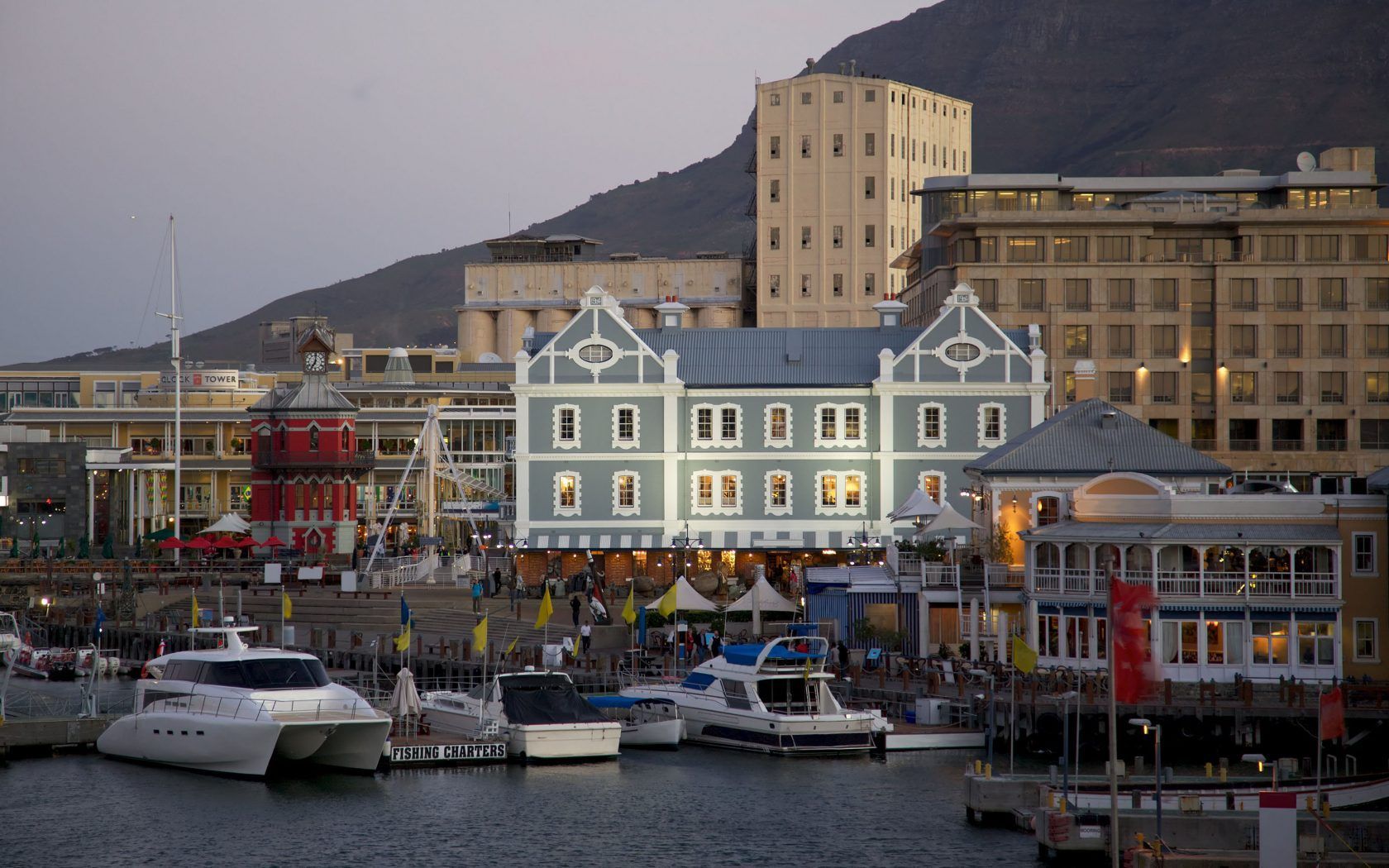
Victoria & Albert Waterfront, Cape Town, South Africa
Who is Cape Town and the Peninsula best for?
You will probably enjoy Cape Town and the Peninsula if you like variety within a compact area rather than staying in one resort. First-time visitors to South Africa often find it a manageable starting point, with straightforward access to key viewpoints and a gentle introduction to local food and culture.
Couples and honeymooners who value sunsets, good restaurants and scenic drives generally get a lot from a short stay. Active travelers who prefer half-day hikes, coastal walks or light adventure over multi-day treks usually feel well matched. Families who like combining easy outings with relaxed time on sheltered beaches also tend to settle in comfortably.
You may prefer another destination if your priority is a classic resort-style beach break with consistently warm, calm water; in that case, the Garden Route or KwaZulu-Natal coast is often a better match.
Dedicated divers and snorkellers, or anyone seeking an all-inclusive, stay-put escape, are usually happier on islands such as Mauritius or in Mozambique's Bazaruto or Quirimbas archipelagos.
How do Cape Town and the Peninsula fit into an itinerary?
Cape Town and the Peninsula usually act as the main gateway and anchor point for a tailor-made trip through South Africa. Many travelers fly into Cape Town International to start their holiday with a few days here before continuing to the Winelands, the Garden Route or safari areas. Others reverse the flow, ending their route in Cape Town for a slower final stretch with shorter drives and flexible day trips.
Because the city, beaches and Peninsula lie close together, basing yourself here naturally eases the pace of your itinerary. You can unpack once and head out in different directions each day instead of changing hotels frequently. Stays of three to four nights work for a focused introduction, while up to a week suits those combining nearby regions.
Cape Town often sits at the beginning as an energetic launch, at the end as a wind-down, or in the middle as a central hub linking inland and coastal sections of your journey.
Trips that include Cape Town and Peninsula
The South Africa safari and city trip introduces travelers to Cape Town's vibrant culture and historic landmarks, including City Hall and the Castle of Good Hope. The itinerary also features a ride on the Table Mountain Aerial Cableway, offering spectacular views of the city and surrounding coastline.
The Best of South Africa trip combines a guided exploration of Cape Town's main attractions with a visit to Table Mountain. The journey continues along the scenic Cape Peninsula, with stops at Hout Bay and the Cape of Good Hope, known for its dramatic coastal landscapes.
The Cape Town, Winelands, and safari in South Africa tour explores Cape Town's cultural heritage with a walk through the historic Company's Garden, followed by a coastal excursion to Hout Bay and Seal Island, where visitors can observe Cape fur seals.
Our local experts can help you discover another side of Cape Town with a guided visit to the colorful Bo-Kaap neighborhood, offering insights into its Cape Malay heritage, distinctive architecture, and local traditions.

Cape Peninsula, Cape Town, South Africa @ Shutterstock
How many days do you need?
Travelers typically allow three to five nights in Cape Town and the Peninsula to balance city highlights with coastal and mountain time. The compact layout means you can see a lot in a short stay, but extra days add breathing space for varied weather and spontaneous outings.
| Time | Recommended focus |
|---|---|
| Half day | Single highlight such as Table Mountain or a short city orientation |
| One day | Cape Town city plus one nearby beach or viewpoint |
| One night | Evening waterfront or city dining, morning walk or cable car trip |
| Two nights | Core city sights with one Peninsula or Winelands taster excursion |
Stays of four to seven nights allow time for multiple scenic drives, short hikes, neighborhood wandering and relaxed beach sunsets without rushing.
Best region combinations
Cape Town and the Peninsula combine naturally with the Cape Winelands, the Garden Route, Hermanus, the West Coast and Greater Kruger safari areas.
A classic order is Cape Town - Stellenbosch or Franschhoek - Garden Route, traveling by road from Cape Town to Knysna or Plettenberg Bay in about six to seven hours, with Cape Town as a multi-night base.
Hermanus pairs well for land-based whale watching; allow a two-hour drive from Cape Town and one or two nights there.
The West Coast, including Paternoster and the West Coast National Park, works as a quieter coastal add-on reached in under two hours by car.
For safari, many travelers fly from Cape Town to Nelspruit or Skukuza, treating Cape Town as their city-and-coast counterpoint to a three- to four-night Greater Kruger lodge stay.
When is the best time to visit Cape Town and the Peninsula?
The best time to visit South Africa for beach weather in Cape Town is from November to March, when temperatures are warm, evenings are long, and seas are generally calmer. The Atlantic stays cool throughout the year, but summer is the most popular season for swimming at Clifton or Camps Bay, sunset outings and boat trips, so coastal roads and viewpoints can be busy. The strong south-easterly wind can also affect some days.
Autumn and spring bring milder temperatures, clearer skies and fewer crowds, making them well suited to hiking, scenic drives and flexible day trips. Ferry and boat conditions are often more reliable than in mid-winter. From June to August, Cape Town is cooler and wetter, with more cloud around the mountains, although breaks in the weather can create excellent conditions for photography and coastal walks.
Winter seas are often rougher and may disrupt smaller boat excursions. Keep itineraries flexible and use indoor city attractions, museums and restaurants as backup options.

Boulders colony. Cape Town. South Africa
Experiences to include in Cape Town and the Peninsula
The experiences below highlight the most rewarding ways to enjoy Cape Town and the Peninsula, from coastal drives and mountain trails to historic neighbourhoods and food-focused city time. They are the moments most travelers remember long after leaving.
Drive Chapman’s Peak and the Atlantic seaboard
Follow the cliff-hugging Chapman’s Peak Drive between Hout Bay and Noordhoek for some of South Africa’s most dramatic coastal scenery. Allow half a day with photo stops and a coffee or lunch break. It suits photographers, couples and leisurely explorers; confident drivers will enjoy the winding route, while nervous drivers may prefer a guided tour.
Explore Table Mountain on foot and by cable car
Riding the Table Mountain Aerial Cableway and walking easy paths on the summit plateau gives instant views over the City Bowl, Lion’s Head and the Atlantic coast. Allow three to four hours, more if you hike Platteklip Gorge. It suits reasonably active travelers and families with older children. Expect rapid weather changes and queues in peak season.
Coastal loop to Cape Point and Boulders Beach
One of the top attractions in South Africa is a full-day circuit through the Cape of Good Hope section of Table Mountain National Park, combining Cape Point, Boulders Beach and classic coastal scenery.
The route suits families, first-time visitors and photographers, with opportunities to see wildlife, dramatic sea cliffs and the famous penguin colony. Start early to avoid traffic and allow time for walking on uneven paths and boardwalks.
Neighbourhood wandering in Bo-Kaap and the V&A Waterfront
Strolling Bo-Kaap’s brightly painted streets then continuing to the V&A Waterfront mixes Cape Malay heritage with an easygoing harbourfront atmosphere. Allow half a day, including museum or gallery time if you wish. It suits food lovers, culture seekers and relaxed walkers. Expect cobbled streets, occasional steep slopes and busy, touristy dining areas at the Waterfront.
Sunset on Signal Hill or along Sea Point Promenade
Ending the day on Signal Hill or walking Sea Point Promenade at sunset showcases the Peninsula’s west-facing light and ocean views without strenuous hiking. Allow one to two hours. It suits almost everyone, from families with strollers to couples. Parking can be tight on clear evenings, and coastal winds mean you should bring an extra layer.
Day trip into the nearby Cape Winelands
Though technically outside the Peninsula, a day in the Cape Winelands around Stellenbosch or Franschhoek is an easy complement to a Cape Town base, pairing vineyards with mountain views and strong food culture. Allow a full day. It suits couples, friends and gastronomic travelers. Expect relaxed tasting-room pacing, pre-booked lunches and a focus on scenery over intensive sightseeing.
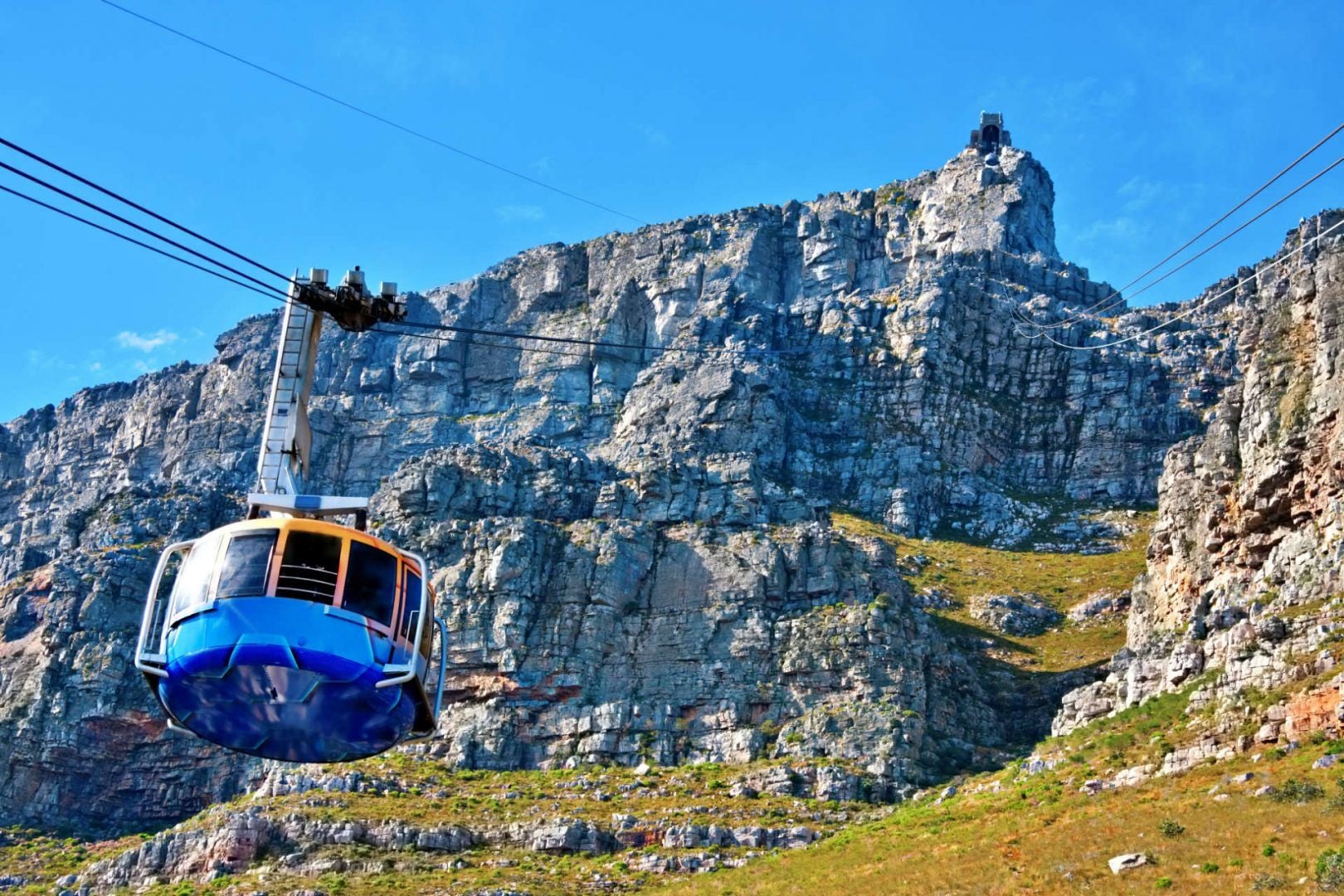
Table mountain cable way, Cape Town, South Africa @ Shutterstock
Planning Cape Town and the Peninsula with local expert tips
Cape Town spreads from the City Bowl around Table Mountain to a long Atlantic and False Bay coastline, so where you stay influences how each day comes together. A local expert can organize the city and Peninsula around your interests, while also planning an efficient departure toward the Winelands, Garden Route or your next flight.
Where to stay in Cape Town and the Peninsula
The Waterfront is convenient for restaurants, harbor activities and easy transfers, while the City Bowl puts you closer to neighborhoods such as Gardens and the city center. Camps Bay offers a beachfront setting on the Atlantic side, but reaching other parts of Cape Town can take longer when traffic is busy. Your local expert can choose an area according to what fills your itinerary rather than assuming one neighborhood suits every stay.
There is rarely a need to change hotels simply because you plan to explore the Peninsula. If most of your time is divided between central Cape Town and a full day around Cape Point, your expert can keep you in one well placed hotel and arrange private transport for the Peninsula, leaving more of the trip available for the Winelands or another part of South Africa.
How transportation can be arranged
Private transport gives you flexibility in a city where attractions and neighborhoods are spread across a wide area. For a Peninsula journey, your local expert can arrange a driver and shape the route around places such as Hout Bay, Cape Point and Simon’s Town, while allowing for traffic, road conditions and any timed visits. The day does not have to follow the same sequence for every traveler. Your wider South Africa itinerary can also influence where the Peninsula fits.
If you are continuing to the Winelands, for example, your expert can arrange a direct transfer from your Cape Town hotel on the final morning rather than adding another night purely for logistics. Airport transfers can be planned in the same way, with departure time adjusted around your hotel location, flight schedule and expected traffic.