Mpumalanga and Limpopo in South Africa combine some of the country's best safari areas with easy-to-plan road-trip routes and varied scenery. Distances between key areas are short, making it simpler to link Kruger National Park, private reserves, the Blyde River Canyon, and small towns without internal flights.
The region suits travelers planning a multi-stop journey who want structured game drives alongside flexible days for driving and short walks. Mpumalanga and Limpopo usually fit into a wider itinerary after Cape Town or the Garden Route, before continuing to Johannesburg or regional hubs.
Why visit Mpumalanga and Limpopo?
Nowhere else in South Africa combines big-name safari with such dramatic road-trip scenery as Mpumalanga and Limpopo. Sunrise game drives can sit in the same day as winding mountain passes, plunging waterfalls, and vast canyon viewpoints, creating sharp contrasts you will not find in most other safari areas.
Beyond headline parks, detours onto quieter backroads reveal roadside fruit stalls, small-scale farms, and artisans whose work is tied to the surrounding hills and bushveld. Watching afternoon storms roll over the escarpment, listening to night sounds carry across the Lowveld, and pausing at wide-open canyon lookouts gives a strong sense of how geology, climate, and daily life intersect here.
You leave feeling you have driven through a changing, lived-in landscape, not just ticked off a famous national park.

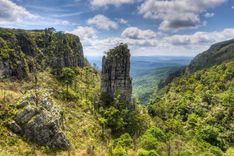
Mountain range in Limpopo, South Africa. Marakele National Park © Jurie Maree/Shutterstock
Who is Mpumalanga and Limpopo best for?
You will probably enjoy Mpumalanga and Limpopo if you are drawn to immersive safaris and do not mind early starts, open vehicles, and quiet evenings focused on nature rather than nightlife. This works particularly well for families who want memorable animal encounters without very long drives, and for couples who like intimate lodges, slow mornings, and unhurried sundowners.
Photographers, birders, and repeat visitors to South Africa often appreciate the chance to shape each day around sightings, viewpoints, or quieter corners instead of big-city checklists. It also suits travelers who like having a host or guide structure their days and are comfortable budgeting for park fees and guided activities.
You may prefer another destination if your priority is a beach break with warm, swimmable seas, lively bars, and restaurant-hopping on foot. Travelers who thrive on museums, galleries, and varied dining scenes are usually better matched with Cape Town, Johannesburg, or Durban.
If you dislike long-haul travel followed by early-morning wake-ups or prefer fully independent city wandering over guided outings, a more urban or coastal itinerary is likely to feel more rewarding than a safari- and scenery-focused trip here.
How do Mpumalanga and Limpopo fit into an itinerary?
Mpumalanga and Limpopo usually form the safari-and-scenery core of a wider South Africa trip, often following time in Cape Town or the Garden Route and linking on to Johannesburg or regional hubs like Nelspruit or Hoedspruit. Many travelers fly into Johannesburg, travel overland into the region for several nights, then continue by road or air to their next stop rather than doubling back.
Within your route, this stretch typically works as a multi-stop section rather than a single base. Travelers often split their time between an escarpment area and one or more safari bases, with travel days planned as manageable half-day drives. This shifts the pace of your holiday into a slower, more nature-focused rhythm, with early starts and quieter evenings built around game drives.
It usually occupies the middle segment of a tailor-made itinerary, with city or coastal time at the start or end so you can adjust gradually between urban sights, road travel, and days in the bush.
Trips that include Mpumalanga and Limpopo
The Kruger and Pilanesberg safari tour in South Africa features full-day game drives in Kruger National Park and wildlife encounters in Sabi Sand Private Game Reserve, known for its big cat sightings. The journey also follows the Panorama Route, with stops at Blyde River Canyon and Bourke's Luck Potholes.
The South Africa safari, culture, and wine trip combines a self-drive safari in Kruger with a game drive in Karongwe Private Game Reserve in Limpopo. The itinerary also explores the scenic highlights of Blyde River Canyon and Bourke's Luck Potholes.
The South Africa family self-drive trip with Eswatini takes travelers from Dullstroom to Kruger National Park for a full-day safari, followed by a scenic drive along the Panorama Route.
Our local experts can arrange a guided bush walk in Karongwe Private Game Reserve, offering a closer look at the region's wildlife and natural surroundings.

Mpumalanga
How many days do you need?
Most travelers spend 3-6 days moving through Mpumalanga and Limpopo rather than basing themselves in a single lodge. This allows time to pair a few days of immersive safari with at least one or two nights along the escarpment or Panorama Route, without rushing drives between viewpoints, towns, and reserves. Shorter trips focus on one core area, while longer stays add quieter corners and more varied landscapes.
| Days | Suggested route | Ideal pace |
|---|---|---|
| 3 days | Panorama Route and southern Kruger | Key highlights, limited game-viewing time |
| 5 days | Hazyview, Blyde River Canyon and a private reserve | Balanced mix of scenery and safari |
| 7 days | Graskop, Panorama Route, Kruger and a Limpopo reserve | Unhurried, varied experiences |
With additional days, travelers can split their time between different lodges, explore smaller towns, and join activities such as walking safaris, night drives, or cultural visits that reveal more of the region's everyday life.
Best region combinations
Mpumalanga and Limpopo pair naturally with Cape Town, starting with a few days around Table Mountain and the V and A Waterfront before flying to Kruger for safari and scenery; this suits first-time visitors wanting a classic mix of city and wildlife.
The Garden Route also pairs well with a coastal drive between Cape Town and Gqeberha (Port Elizabeth), followed by a flight or drive to the Lowveld, ideal for families and road-trip fans.
Johannesburg works as a gateway, adding Soweto and the Apartheid Museum before or after a 4-6 hour drive to the reserves, especially for travelers interested in recent history.
For those heading farther afield, adding Victoria Falls via regional flights creates a wider southern Africa circuit, appealing to travelers seeking iconic views and varied activities in one trip.
When is the best time to visit Mpumalanga and Limpopo?
The best time to visit South Africa for Mpumalanga and Limpopo is during the dry, cooler months from May to September. Clear mornings, thinner vegetation and lower rainfall make wildlife easier to spot, while comfortable daytime temperatures suit road trips, viewpoints and short walks.
From October to March, the warmer rainy season brings lush scenery, dramatic skies and excellent birding, though afternoon storms and higher humidity are common. These months work well for early-morning activities, shaded stops and more relaxed time at the lodge.
Seasonal planning can shape the route. Dry-season itineraries often allow more time for game drives and walking safaris, while summer schedules may need greater flexibility around storms. Popular lodges and family rooms can fill quickly from May to September, so early booking is advisable.

Kruger Park, Limpopo, South Africa © Rich T Photo/Shutterstock
Experiences to include in Mpumalanga and Limpopo
Mpumalanga and Limpopo combine dramatic mountain scenery, wildlife-rich reserves and some of South Africa’s most rewarding road-trip routes. Together, the two provinces offer a strong mix of safari, scenery and outdoor adventure for a wider South Africa itinerary.
Drive the Panorama Route and Blyde River Canyon
Follow the Panorama Route between Graskop and the Blyde River Canyon to link waterfalls, forested passes, and viewpoints like God's Window and the Three Rondavels. Allow a full day with unhurried stops for short walks, photo breaks, and roadside farm stalls.
Go on safari in Kruger National Park
One of the top attractions in South Africa is Kruger National Park, with the southern section easily reached through Phabeni or Paul Kruger gates. Join guided game drives or explore by self-drive, focusing on early mornings and late afternoons when wildlife is most active. Allow two to four days to follow varied routes and rest between outings.
Stay in a private reserve on Kruger's western edge
Spend two or three nights in private reserves like Sabi Sand or Timbavati, where off-road drives, expert trackers, and night drives increase your chances of close predator sightings. Hosted, small-lodge stays suit couples, photographers, and anyone wanting a slower, all-inclusive safari rhythm.
Explore the forested escarpment towns
Use Sabie or Graskop as relaxed bases in the cool escarpment, focusing on forest walks from town instead of repeating Panorama Route viewpoints. One or two nights here break up driving days and contrast the lowveld heat with misty pine plantations and riverside picnic spots.
Discover Limpopo's quieter reserves
Head into reserves such as Manyeleti or Balule in Limpopo for a less crowded safari feel, where smaller camps and open vehicles focus on patient tracking rather than ticking off species. Two to three nights reward travelers who value stillness, starry skies, and extended sundowners.
Visit cultural and heritage sites en route
Stop at places like Pilgrim's Rest or Mapusha Weavers near Bushbuckridge to break journeys with local history and craft encounters. Short, pre-booked visits add context to rural landscapes, suiting travelers who want everyday stories alongside wildlife and scenery without over-scheduling their days.

Bourke's Luck Potholes with walkways and bridges, Panorama Route, Graskop, Mpumalanga, South Africa © Shutterstock
Planning Mpumalanga and Limpopo with local expert tips
Mpumalanga and Limpopo bring together some of South Africa’s major safari areas with mountain scenery and long overland routes. The distances between reserves, airports and lodges make the order of the trip especially important. A local expert can link the Lowveld, Greater Kruger and destinations farther north without turning every change of lodge into a full travel day.
Where to stay in Mpumalanga and Limpopo
Choosing accommodation here usually begins with the wildlife area rather than the nearest town. Lodges around Greater Kruger vary considerably in setting, access and what is included in the stay, while properties farther north in Limpopo may sit within private reserves well away from the main roads. Your local expert can look at where game drives take place, which entrance or airstrip serves the lodge and how the stay connects with your next destination.
Splitting a safari between two areas can provide variety, but several short lodge stays may leave too much time for packing and transfers. If wildlife is your main priority, your expert can select complementary reserves and give each enough time rather than adding another property simply to cover more of the region.
How transportation can be arranged
There are several ways to reach Mpumalanga and Limpopo, including road transfers from Gauteng and flights to regional airports or safari airstrips. The right combination depends on the lodge, since a flight that looks convenient on a map may still require a substantial transfer afterward. Your local expert can compare the complete journey and arrange the vehicle waiting at the other end.
Road travel can be especially worthwhile when the route includes Mpumalanga’s scenic areas before safari, while flying can protect valuable time when the lodge is remote. Transfers between reserves also need to account for gate times and lodge schedules.
If your trip begins with scenery in Mpumalanga and finishes at a private safari lodge, your expert can arrange the route to move gradually toward the reserve rather than returning to Johannesburg between the two.