Angkor in northwestern Cambodia is the country's archaeological core, distinct for its dense cluster of Khmer temple complexes close to Siem Reap. The area is compact, well-organized for visitors, and allows you to see major and quieter temples without long internal journeys.
Within a multi-day Cambodia itinerary, Angkor works best as a focused stop for structured temple exploration, moderate walking or cycling, and clear context on Khmer history. Travelers usually combine it with Phnom Penh and at least one coastal or rural region, using Angkor as the cultural anchor in a wider route.
Why visit Angkor?
Angkor offers the rare chance to wander monumental Khmer temples in a living landscape where village life, forest, and centuries-old stone carvings sit at the edge of modern Siem Reap.
Nowhere else in Cambodia matches its dense concentration of sacred architecture intertwined with active monasteries, markets, and rice fields. Watching sunrise color Angkor Wat's towers, cycling along laterite paths between weathered gates, or studying bas-reliefs that narrate royal processions and mythic battles feels like entering Cambodia's spiritual and artistic workshop.
In quieter compounds, the sound drops to wind in the trees and distant chanting, a marked contrast to the crowds at the main complexes. Time in Angkor leaves you with a sensory, ground-level understanding of the empire that shaped much of the country's history, rather than just a memory of single landmark sights.
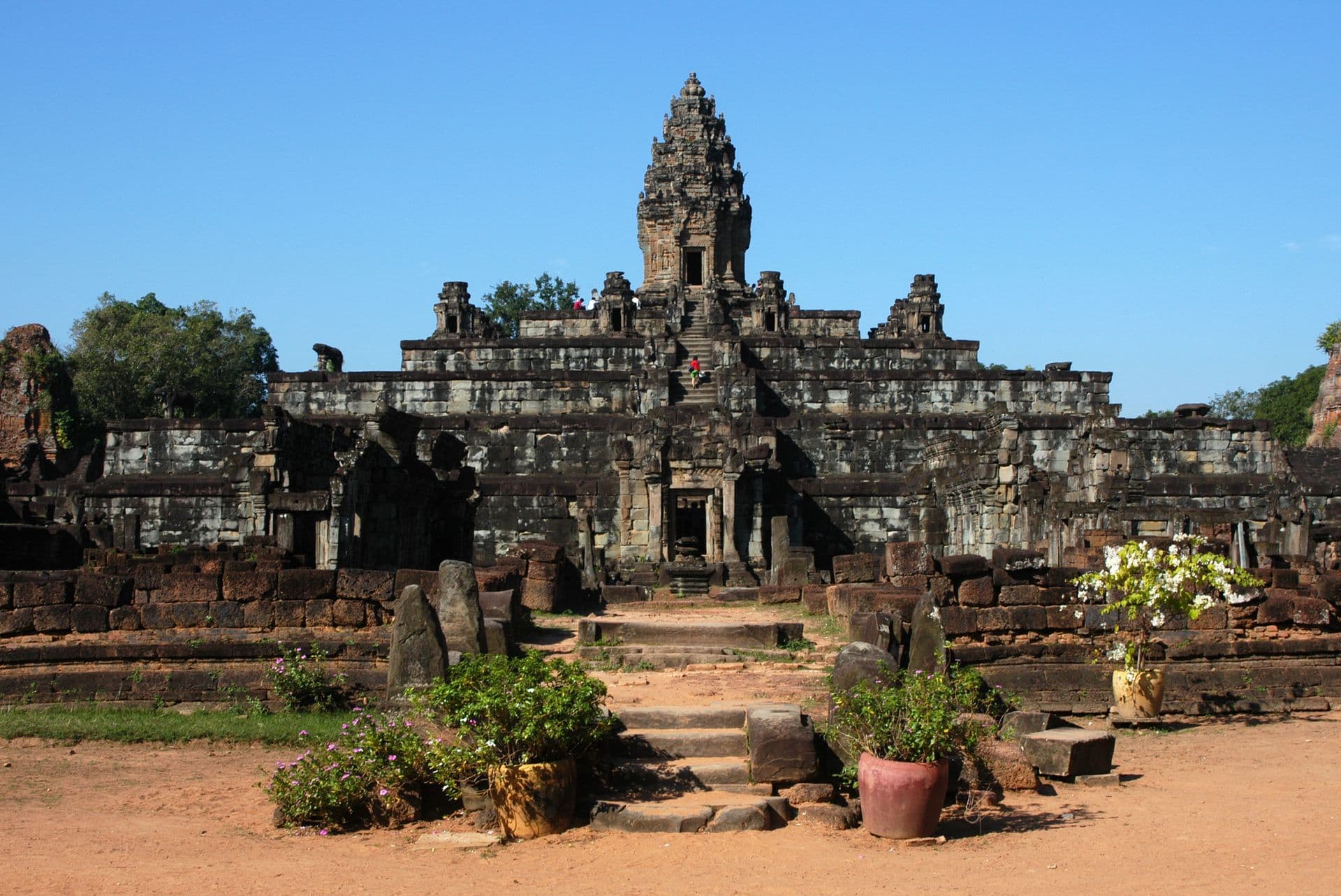
Bakong Temple in Roluos Village, the Angkor Area near Siem Reap, Cambodia
Who is Angkor best for?
You will probably enjoy Angkor if you are drawn to in-depth cultural trips and are happy to spend several days focusing on one historic area rather than moving between lots of destinations. Curious first-time visitors to Cambodia who like guided storytelling, history, and photography tend to get the most from their time here.
This works particularly well if you are comfortable with early starts, walking or cycling in warm weather, and planning days around specific sunrise or sunset visits. Families with older children who enjoy clambering around ancient ruins, and couples seeking shared experiences rather than nightlife, often find Angkor especially rewarding.
You may prefer another destination if your ideal trip is a pure beach holiday, you strongly dislike time at major landmarks with other visitors, or you would rather keep a very easygoing schedule without early mornings.
Travelers mainly interested in shopping, bar-hopping, and modern urban energy might feel limited and could be happier focusing on coastal areas or larger cities, visiting Angkor only briefly.
How does Angkor fit into an itinerary?
Angkor usually anchors the central portion of a trip to Cambodia, often following time in Phnom Penh or rural provinces and preceding a quieter beach or countryside stay. Many travelers fly into Siem Reap, spend several days with Angkor as their cultural focus, then continue overland or by air to coastal towns or onward into neighbouring countries.
Because temple days involve early starts and active hours outside, placing Angkor in the middle of your route creates a natural rhythm: concentrated exploration framed by slower-paced stops before and after.
Angkor works best as a multi-night base rather than a quick stop on a fast-moving road trip. Most visitors stay in Siem Reap and make day trips to different parts of the archaeological park, alternating fuller days with lighter ones to avoid fatigue.
A tailor-made plan can adjust the number of nights here and the order of other regions so your itinerary stays varied, manageable, and in step with your preferred pace.
Trips that include Angkor
The Tailor-made Cambodia’s beaches and temples trip explores the Roluos Group, where travelers can discover the early Angkorian temples of Preah Ko, Bakong, and Lolei. The journey continues to Banteay Srei, celebrated for its intricate carvings in pink sandstone.
The Tailor-made Cambodia cultural discovery trip also visits the Roluos Group, alongside Prasat Kravan and the Angkor National Museum, offering insights into the art, architecture, and history of the Khmer Empire.
The Tailor-made Khmer treasures trip in Cambodia takes travelers to Banteay Srei and Banteay Samre before exploring Angkor Thom and Bayon, famous for its monumental stone faces and remarkable Khmer architecture.
Our local experts can enrich your Angkor experience with a guided exploration of Ta Prohm, where ancient temple walls and towering tree roots create one of the archaeological park's most striking sights.
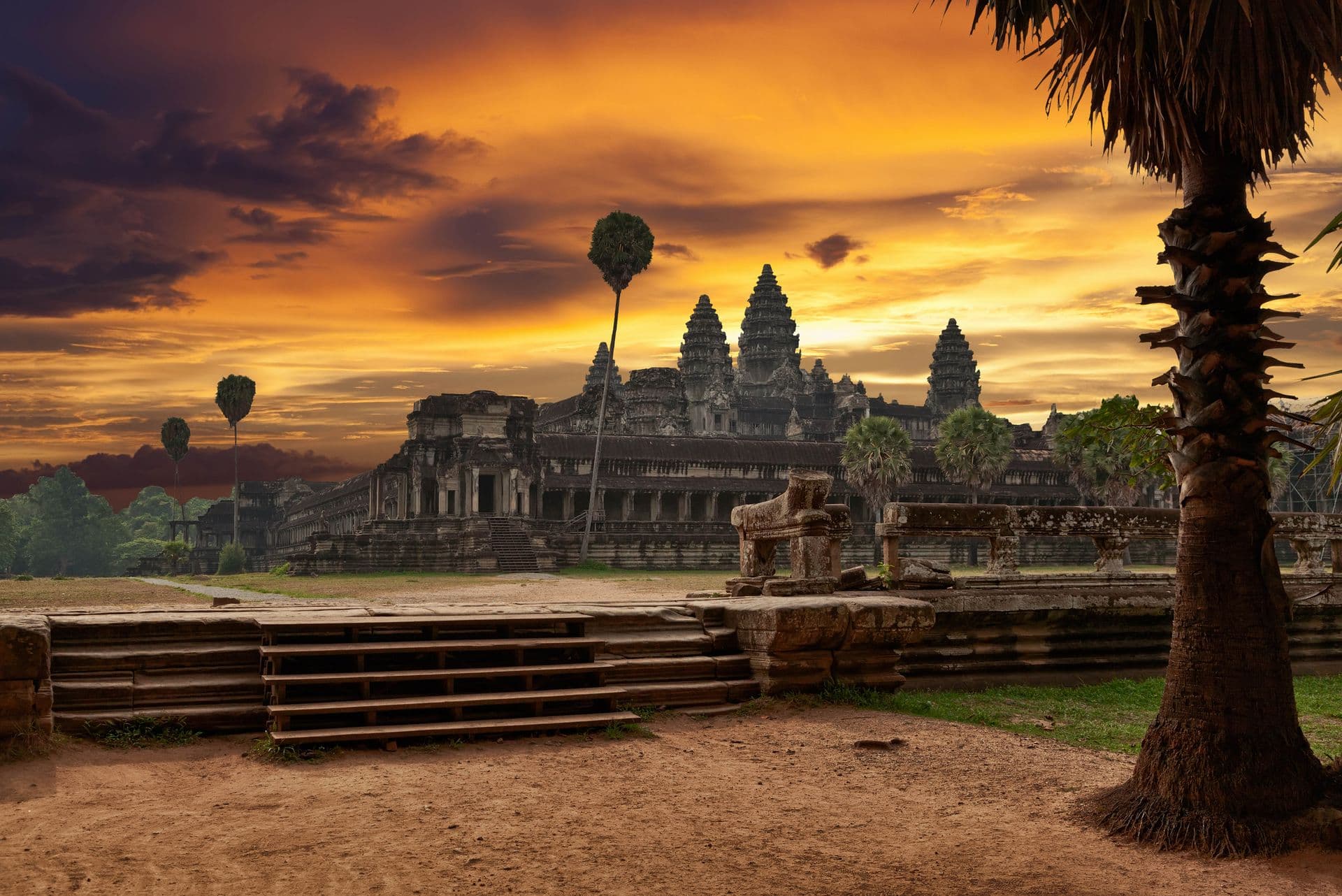
Angkor Wat at sunset
How many days do you need?
Most travelers devote 2-4 full days to Angkor within a wider Cambodia itinerary, using Siem Reap as a base and planning different temple clusters each day. Rather than racing between the major sights, this allows time for varied starts (sunrise, sunset, or quieter late-morning visits) and a mix of intensive temple exploration with breaks in town.
Additional days open up options such as cycling routes between less-visited shrines, visiting nearby floating villages on Tonle Sap, or simply enjoying slower afternoons by the pool before an evening return to the temples.
| Days | Suggested route | Ideal pace |
|---|---|---|
| 2 days | Angkor Wat and Angkor Thom on one day, a key outlying temple area on the other | Focused, highlights only |
| 3 days | Classic circuit, plus a day for quieter temples and flexible sunrise/sunset | Balanced, time for breaks |
| 4+ days | Core temples, remote sites, and non-temple countryside experiences | Unhurried, deeper exploration |
Best region combinations
Angkor combines naturally with Phnom Penh, linking Cambodia's imperial past with its modern capital in a 6-9 day journey. Many travelers start in Phnom Penh for its museums and riverfront, then fly or drive to Siem Reap for Angkor's temples. This suits first-time visitors wanting a clear overview of the country's history and culture.
Pairing Angkor with the south coast around Kep and Kampot works well for those who enjoy both heritage and relaxed rural scenery. A common route runs Phnom Penh - Angkor - Kampot/Kep over 10-12 days, with pepper plantations, riverside walks, and seafood providing contrast to temple days.
Angkor also fits neatly with the beaches of Sihanoukville and nearby islands. Travelers often visit Angkor first, then head south for 3-5 days of rest. This combination suits couples and families who like to balance active sightseeing with simple beach time before flying home.
When is the best time to visit Angkor?
The best time to visit Cambodia for Angkor is from November to March, when cooler, drier weather makes early starts and long temple days more comfortable. This is also the busiest period, so expect larger crowds at Angkor Wat sunrise and consider pre-dawn departures or quieter viewpoints.
From April to early June, temperatures rise, but visitor numbers fall, which can mean calmer galleries and easier photography for travelers comfortable with the heat. From June to October, the rainy season brings lush vegetation, dramatic skies and fewer visitors. Short, heavy showers often arrive in the afternoon, making morning temple visits and flexible backup plans especially useful.
Seasonal planning may prioritize shaded complexes, time boat trips for higher water levels, or schedule countryside excursions around the heaviest downpours.

Angkor Wat, Cambodia © Shutterstock
Experiences to include in Angkor
Angkor combines monumental temple architecture, forested ruins and living religious traditions near Siem Reap. Its scale and variety make it the cultural centerpiece of most Cambodia itineraries.
Trace the classic Angkor circuits
Angkor’s Small and Grand Circuits are among the top attractions in Cambodia, linking Angkor Wat, Angkor Thom, Ta Prohm and other major temple sites. Allow one or two days to move between terraces, towers and forested causeways while seeing how Khmer temple design evolved. The circuits suit travelers comfortable with steady walking in warm conditions.
Explore lesser-visited temples beyond the main core
Set aside half or full days for quieter complexes such as Banteay Samre or Preah Khan, where moss-covered galleries and long approach roads feel more contemplative. These sites balance the intensity of Angkor Wat with slower, more atmospheric exploration and fewer crowds.
Combine sunrise and sunset viewpoints
Plan at least one early start and one late afternoon, pairing sunrise at Angkor Wat or Srah Srang with sunset from Phnom Bakheng or Pre Rup. The changing light, silhouettes, and cooler temperatures create varied photographic atmospheres and perspectives on the monuments.
Cycle temple backroads from Siem Reap
Spend a day cycling quiet lanes and laterite tracks between Siem Reap and temple areas like Ta Prohm and Ta Nei. Riding past stilted houses and rice fields links daily life with the archaeological sites, suiting active travelers comfortable with heat and gentle distances.
Visit remote Angkor-era sites
Allow a separate day for further-flung temples such as Beng Mealea or Koh Ker, reached by rural roads through villages and farmland. Their semi-ruined towers and forest setting create a more adventurous, off-the-main-circuit experience for travelers with extra time in the region.
Pair Angkor with Tonle Sap's floating communities
Balance stone temples with a half-day boat trip from Siem Reap to villages on Tonle Sap Lake, such as Kampong Phluk. Watching everyday life on stilted houses and fishing boats broadens understanding of Angkor's history and Cambodia's dependence on seasonal waters.
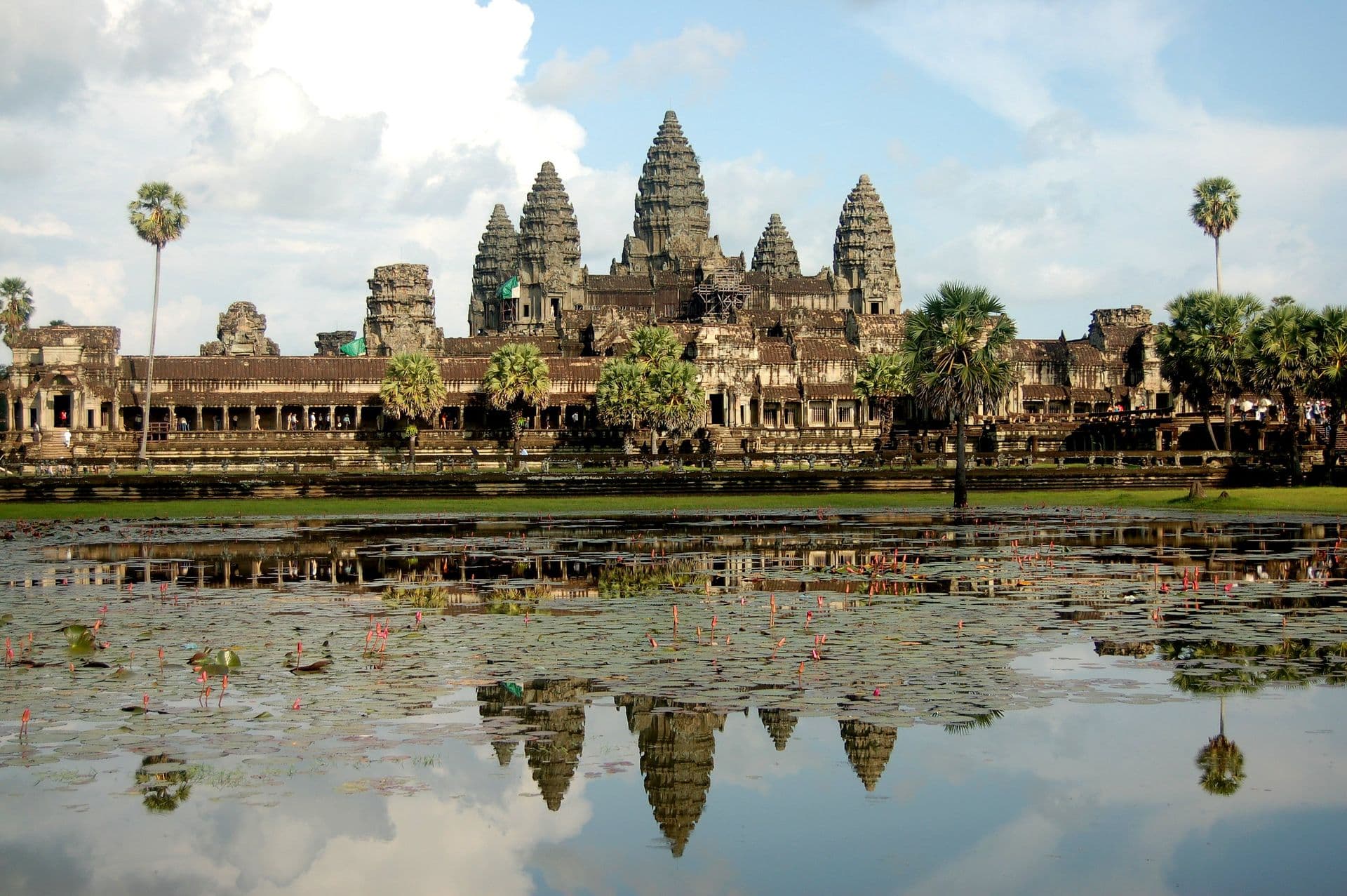
Siem Reap, Cambodia
Planning Angkor with local expert tips
Angkor covers a much larger area than its best known temples suggest, with monuments, reservoirs and forested sites spread across the archaeological park and beyond. Local experts can arrange visits in a logical order, balancing the major temple complexes with quieter areas without filling each day with unnecessary journeys across the site.
Where to stay near Angkor
Siem Reap is the main base for exploring Angkor, with accommodation ranging from central hotels near restaurants and markets to quieter properties on the outskirts. Staying closer to the archaeological park can shorten some morning journeys, while a central location makes evenings in Siem Reap easier.
There is little reason to change hotels simply to visit different parts of Angkor. Instead, your local expert can choose one base and organize temple days by area. More distant sites can then be included only when they justify the additional travel.
If your priorities are Angkor Wat, Angkor Thom and Ta Prohm, for example, your expert can give these areas sufficient time rather than adding several remote temples at the expense of a more relaxed pace.
How transportation can be arranged
Siem Reap Angkor International Airport is the principal air gateway, with road transfers connecting the terminal with Siem Reap and the archaeological park. Within Angkor, private transportation with a local guide allows temple visits to be sequenced around distances, entrance points and the pace you prefer. Tuk tuks can also suit shorter journeys, while a private vehicle provides greater comfort when visiting sites farther from central Angkor.
Your expert can arrange early departures when useful and avoid crossing the park repeatedly between temples. If your Cambodia itinerary continues to Phnom Penh or another region after Angkor, they can coordinate your final temple visit with the appropriate airport or road transfer, keeping the last day focused rather than losing it to unnecessary backtracking.