Phnom Penh is Cambodia's political and economic hub, distinct from temple-focused Siem Reap and quieter coastal or rural regions. As the main gateway for international flights, it usually anchors the start or end of a multi-day itinerary rather than serving as a long stay.
Time here is best suited to journeys that combine recent history, urban life, and food with onward travel to temples or the coast. Most travelers allow one to three days to gain context on Cambodia's modern story before heading to smaller cities, islands, or countryside areas.
Why visit Phnom Penh?
Phnom Penh offers an intensity and immediacy you will not find elsewhere in Cambodia. Its character comes from the constant interplay between the riverfront and the weight of very recent history, felt in everyday streets rather than only in set-piece sites.
Morning aerobics on the quay, incense curling from curbside shrines, and monks weaving through traffic give a lived-in sense of the capital that contrasts with temple and beach regions.
French-era arcades now housing corner cafés and small galleries let you see how the city is redefining itself in real time. You leave with memories of dusk on the promenade, the smell of grilling skewers in narrow alleys, and the feeling of a society looking forward while carrying its past in full view.
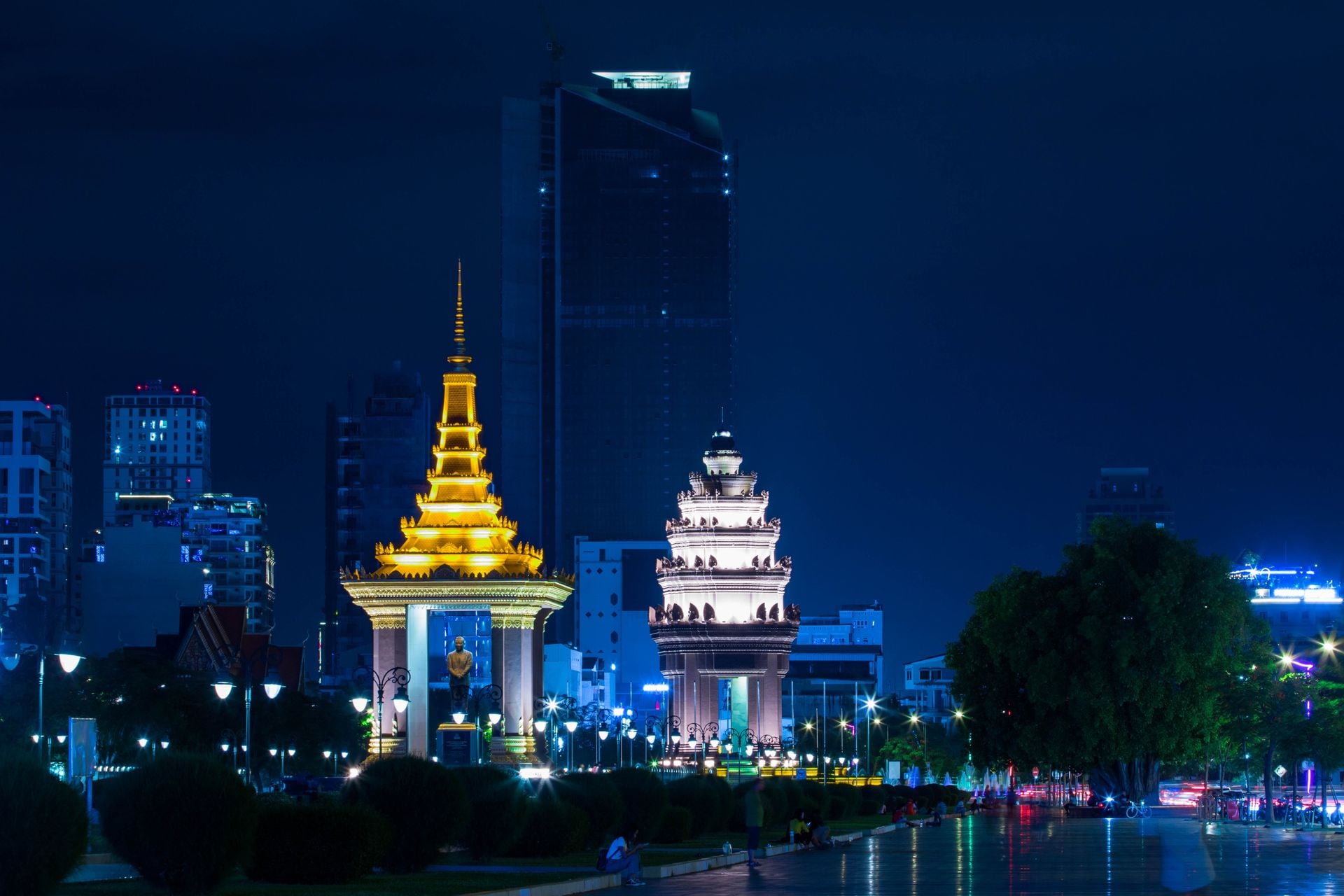
Phnom Penh
Who is Phnom Penh best for?
You will probably enjoy Phnom Penh if you are curious about recent history and ready to engage with complex, sometimes distressing stories. Travelers who like pairing museum and memorial visits with markets, street food, and a few low-key evenings out tend to get the most from time here.
It also works well if you want to understand how Cambodia is changing today, beyond its famous temple complexes. Older children and teens with an interest in history can gain a lot, provided adults prepare them and frame visits carefully.
You may prefer another destination if your main aim is a relaxed beach break, resort-style pool time, or outdoor adventure, in which case Cambodia's coastal areas or rural regions fit better.
If you are traveling with very young children and want only light, upbeat activities, the heavier historical content can feel out of step with the trip you have in mind. Those who want iconic temples or jungle ruins as their central focus are usually better off basing themselves in Siem Reap and treating Phnom Penh, at most, as a brief stop.
How does Phnom Penh fit into an itinerary?
Phnom Penh usually anchors the start or end of a tailor-made trip in Cambodia, thanks to its international connections and contrast with quieter regions. Many travelers fly in, spend a short stay to settle into the country and adjust to the climate, then move on to temple areas, coastal towns, or rural landscapes. Others reverse the flow, finishing in the capital for context and reflection before departure.
For most travelers, one to three nights feels right, depending on how much time you have overall and how busy the rest of your route is. The city works best as a focused stop rather than a long-term base, as onward destinations are often several hours away and suit being their own stages.
Including Phnom Penh typically adds an urban, more reflective pause to your holiday, breaking up a sequence of temple visits or beach time and giving your journey a clearer rhythm from arrival through exploration to departure.
Trips that include Phnom Penh
The Cambodia adventure tour: temples, villages and Angkor begins in Phnom Penh, with visits to the Killing Fields of Choeung Ek, Independence Monument, Central Market (Psa Thmey), and Tuol Sleng Genocide Museum. The journey continues to Battambang and Siem Reap, combining historical discoveries with cultural experiences.
The Cambodia cultural trip: past and present also starts in Phnom Penh, exploring the city's historical landmarks and sites connected to Cambodia's Khmer Rouge era before continuing to Battambang and Siem Reap.
The Tailor-made Cambodia tour for authentic explorers introduces travelers to Phnom Penh's history and local culture through visits to its major landmarks and markets. The itinerary then continues to Battambang and Siem Reap, offering further insights into Cambodia's heritage.
For a different perspective on the capital, our local experts can arrange a sunset cruise along the Tonle Sap and Mekong rivers, offering scenic views of Phnom Penh's waterfront as the city lights begin to appear.
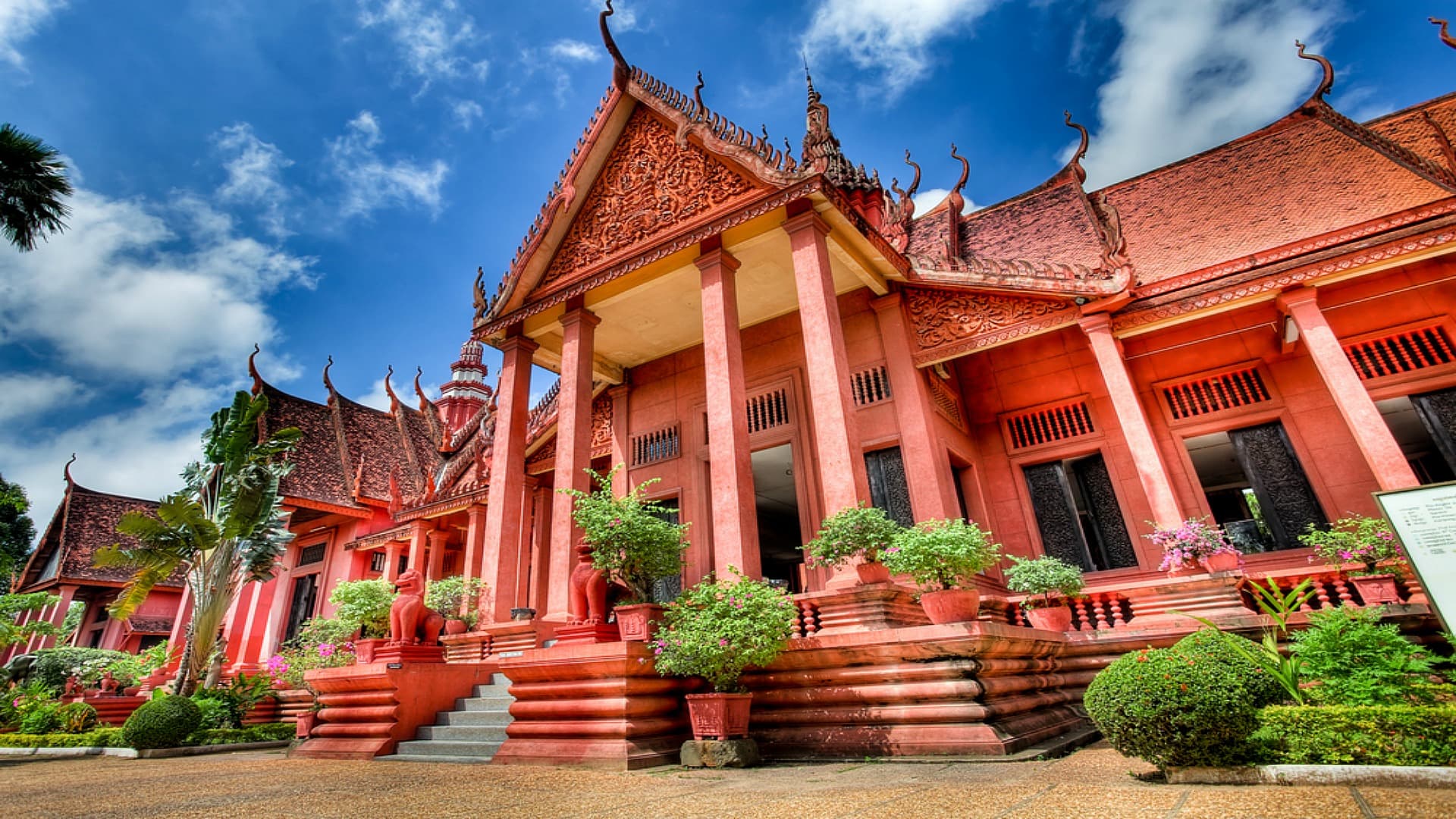
National Museum in Phnom Penh, Cambodia
How many days do you need?
Most travelers treat Phnom Penh as a short but important stop rather than a long stay. With limited time, it helps to focus your visit so that the city’s recent history, riverfront life, and food scene all get some attention without feeling rushed.
| Days | Recommended focus |
|---|---|
| 1 day | Visit Tuol Sleng and the Killing Fields for historical context, then walk or dine along the riverside. |
| 2 days | Add the Royal Palace area and a market visit, with more time for cafes and the riverfront at sunset. |
| 3 days | Balance memorial sites with temple visits, gallery stops, and a wider taste of the city’s food and nightlife. |
| 4+ days | Use Phnom Penh as an urban base, adding nearby countryside excursions or more in-depth museum and neighborhood time. |
Best region combinations
Phnom Penh combines naturally with Siem Reap. Starting in the capital gives context to Cambodia’s recent history before continuing to Angkor’s temples, or you can reverse the order for a reflective end to the trip. Overland travel between the two usually takes most of a day, while flights are shorter but require airport time.
Pairing Phnom Penh with Kampot and Kep creates a city-and-coast journey. Travel from the capital to Kampot for river scenery and relaxed evenings, continue to Kep for fresh seafood, then loop back to Phnom Penh for your departure. This works well for travelers who want both reflective city experiences and quieter days by the water.
Adding Sihanoukville primarily as a stepping stone to nearby islands can round out a trip focused on rest. Begin in Phnom Penh, move on to the coast for beach time, then return to the capital for a last night and onward travel.
When is the best time to visit Phnom Penh?
The best time to visit Cambodia for Phnom Penh is from November to February, when cooler, drier weather makes riverside walks, market visits and outdoor sightseeing more comfortable. These months also fit easily into wider Cambodia itineraries.
From March to May, temperatures rise, so mornings and evenings are better suited to the riverfront, while museums and other indoor attractions work well during the hottest part of the day. From June to October, heavier showers bring fewer crowds and softer light along the Tonle Sap and Mekong, although downpours can occasionally slow overland journeys.
Seasonal planning may adjust the balance between walking tours, museum visits and day trips to suit the weather and your preferred pace.
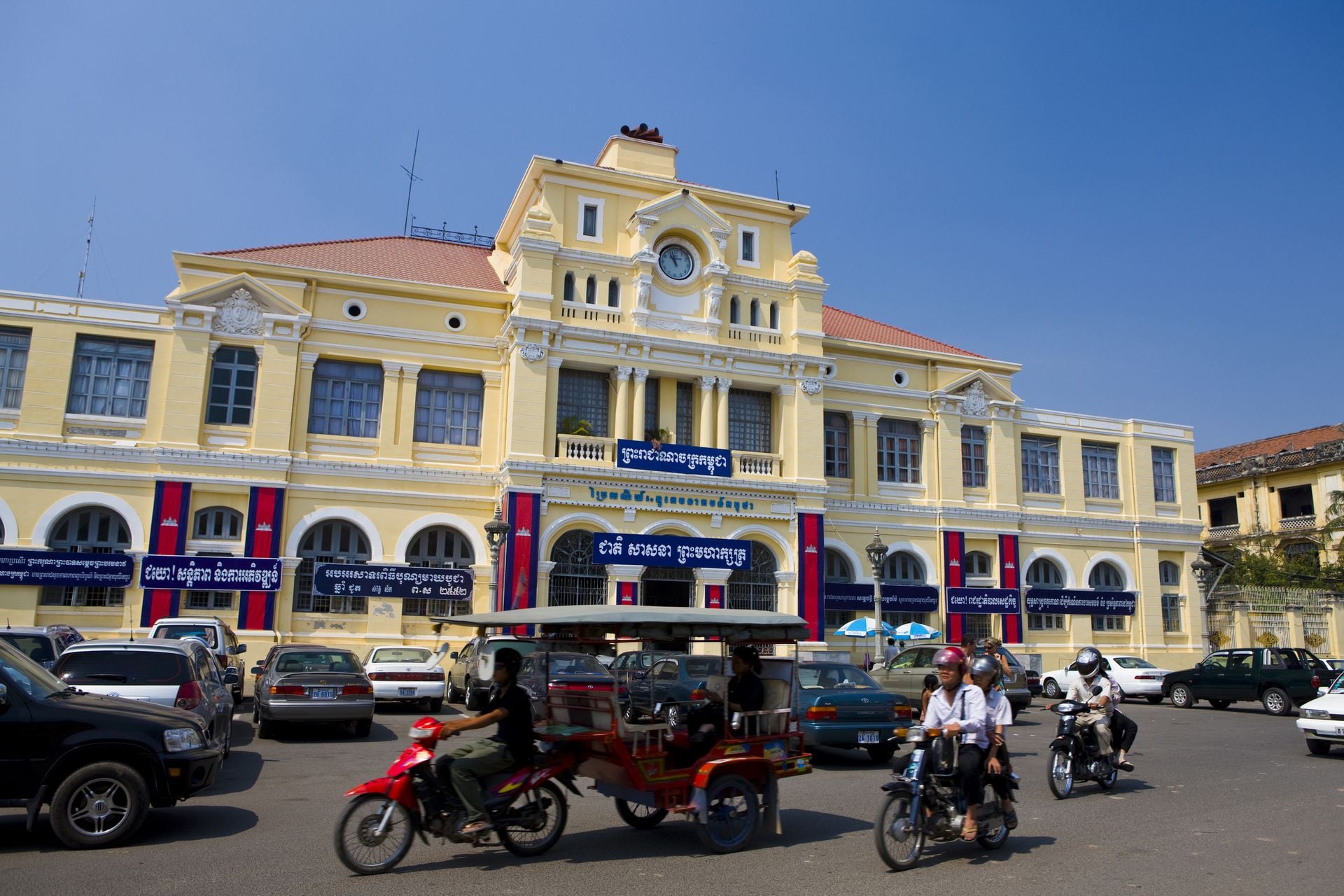
The French-era Post Office, Phnom Penh, Cambodia
Experiences to include in Phnom Penh
Phnom Penh combines royal landmarks, riverside energy and powerful sites connected to Cambodia’s modern history. Its cultural depth and transport links make it a natural starting or finishing point for a wider Cambodia itinerary.
Walk the riverfront between Sisowath Quay and Koh Pich
Spending a few hours along Sisowath Quay and over to Koh Pich (Diamond Island) reveals Phnom Penh's everyday rhythm, from morning exercise and street snacks to sunset views over the Tonle Sap and Mekong. It is an easy, flexible first or last day experience.
Explore the Royal Palace, Silver Pagoda, and riverside temples
The Royal Palace, Silver Pagoda and nearby Wat Ounalom are among the top attractions in Cambodia, combining royal architecture, Buddhist traditions and riverfront views. Allow half a day to explore the compact area at a relaxed pace. Together, these sites add cultural depth to time spent in Phnom Penh’s modern cafes and museums.
Discover contemporary Cambodian art and design
Set aside a few hours to browse spaces like the National Museum of Cambodia's sculpture galleries and smaller studios around Street 178. Exhibitions and boutiques show how Cambodian artists reinterpret tradition, adding a forward-looking note to a Phnom Penh stay.
Sample Phnom Penh's food scene around Street 240 and Bassac Lane
An evening around Street 240 and Bassac Lane combines relaxed restaurants, small bars, and cafes in walkable streets near the Independence Monument. It suits couples and friends who enjoy mixing Khmer dishes with international options in a compact neighborhood.
Browse markets such as Central Market and Russian Market
Central Market (Psar Thmei) and Russian Market (Tuol Tom Poung) reward a morning or late afternoon visit for textiles, everyday household stalls, and casual food. Including at least one market adds local color and a practical shopping stop to an itinerary.
Take a sunset cruise on the Tonle Sap and Mekong
A short sunset cruise from the Sisowath Quay piers gives a calmer perspective on Phnom Penh's skyline and river confluence. It works well at the end of a busy day, suiting travelers who prefer views and atmosphere over structured sightseeing.
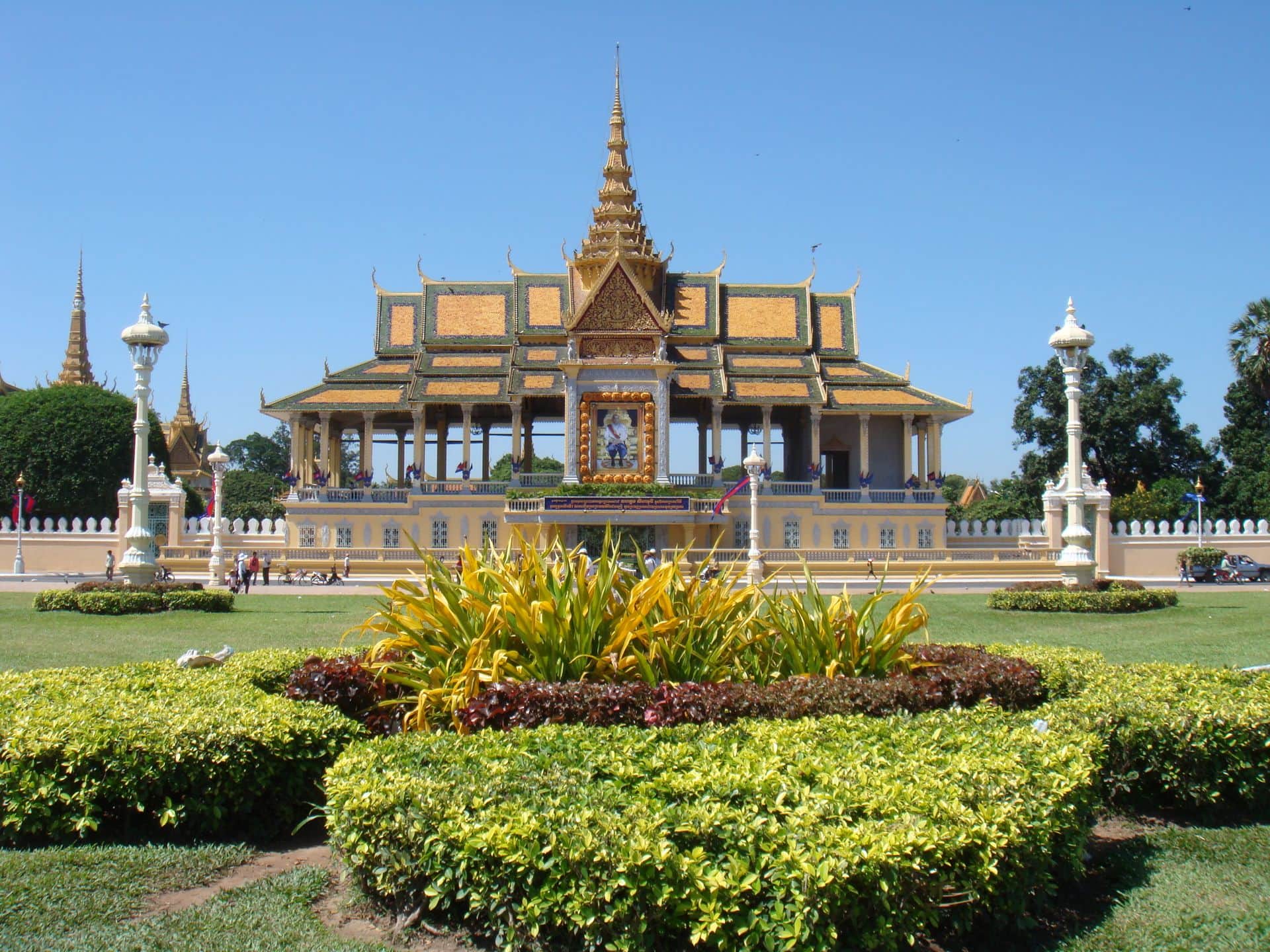
Phnom Penh, Cambodia
Planning Phnom Penh with local expert tips
Phnom Penh sits at the meeting point of the Mekong and Tonle Sap rivers and is often a natural link between different parts of Cambodia. Local specialists can plan the stay around the city’s traffic and your arrival point, while making sure the next stage toward Angkor, the coast or eastern Cambodia begins without unnecessary backtracking.
Where to stay in Phnom Penh
Staying near the riverfront gives you convenient access to the Royal Palace, National Museum and many of central Phnom Penh’s restaurants.
BKK1 offers a more residential atmosphere with plenty of cafes and dining nearby, while quieter central neighborhoods can suit travelers who prefer to be away from the busiest streets. Your local expert can recommend an area based on what you plan to see and where you are heading next, since traffic can make journeys across the city surprisingly slow.
For a short visit, one well chosen hotel is usually enough. If your wider Cambodia itinerary already includes several urban stops, your expert might also keep Phnom Penh relatively concise and use the extra time for the coast, Angkor or the countryside.
How transportation can be arranged
Phnom Penh is an important road hub for Cambodia, with routes leading northwest toward Siem Reap, south toward the coast and east toward the Mekong provinces. Private transportation is useful when leaving the capital because stops outside the city can be incorporated into the journey rather than arranged as separate excursions.
For longer distances, domestic flights may also fit the itinerary where schedules are suitable. Boat services operate on selected routes and can be considered when they work with your travel dates.
If Kampot or Kep follows Phnom Penh, for example, your expert can arrange collection directly from your hotel and shape the journey south around the stops you want to make along the way.