Mumbai stands out from other Indian coastal destinations because it is a working megacity first and a waterfront escape second. Instead of quiet resort strips, you get a dense mix of business districts, colonial-era promenades and neighbourhood beaches facing the Arabian Sea.
This suits travelers who want urban culture, nightlife and food with only short spells by the water, not a full beach holiday. Within a wider India itinerary, Mumbai usually works best as a practical gateway at the start or end of the trip, using its international airport and domestic links for a focused stay of about two to three days.
Why visit Mumbai?
Mumbai offers a rare chance to experience a major global city pressed right up against the sea, where business districts, historic quarters and working docks all share the same shoreline. Along Marine Drive and Girgaum Chowpatty, everyday crowds, snack carts and art deco towers frame sunset views that feel distinctly urban rather than resort-like. Just along the coast, Koli fishing villages operate active harbours and auctions beneath modern high-rises, making the city’s maritime roots visible in daily life.
Old port warehouses and docklands have been repurposed into galleries, performance spaces and creative hubs, so you can explore contemporary Indian art in former colonial trading zones. This tight overlap of financial hub, fishing community, heritage architecture and creative scenes along one compact waterfront is specific to Mumbai and unlike other Indian coastal regions.
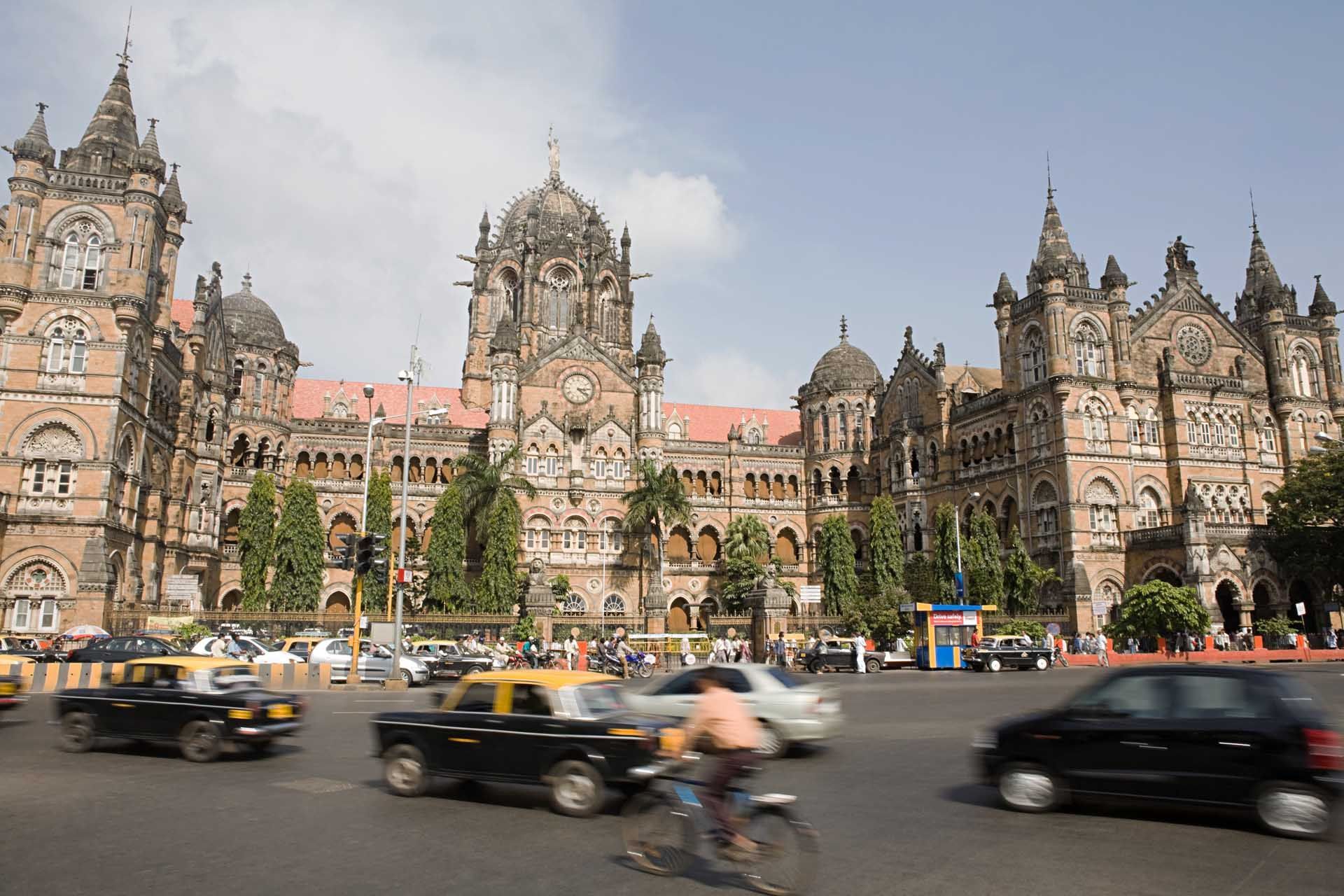
Busy street scene at the Chhatrapati Shivaji Terminus, Mumbai
Who is Mumbai best for?
You will probably enjoy Mumbai if you like energetic cities, want to dive into contemporary Indian culture, and are happy to swap palm-fringed seclusion for late-night buzz. It works particularly well for first-time visitors to India who prefer starting in a cosmopolitan setting with solid infrastructure, and for food-focused travelers keen on street snacks, cafes and inventive restaurants.
City-loving couples, solo travelers and groups of friends who enjoy bars, galleries and neighbourhood wandering usually get the most from a short stay here, especially as a bookend to a wider India journey.
You may prefer another destination if your priority is quiet beaches, privacy and long, lazy days by the sea. Honeymooners seeking exclusive resorts, families wanting shallow, swimmable bays, and dedicated divers or snorkellers are generally better off in places like Goa or the Konkan coast, where the focus is on sand, sea and relaxed downtime rather than big-city pace.
How does Mumbai fit into an itinerary?
Mumbai usually works best as a dynamic gateway at the beginning or end of your route through India, anchored by its major international airport and dense web of domestic flights and trains.
Many travelers fly in here to recover from the long journey, get an initial feel for big-city India, then continue on to regions such as Rajasthan, the Konkan coast, Goa or the south. Others finish their holiday in Mumbai, adding a final burst of urban energy after slower stays in smaller cities, countryside or beach areas.
Because the city is intense and fast-paced, it is typically planned for two or three nights rather than a long stop, helping keep your overall itinerary balanced. Starting in Mumbai sets an energetic rhythm before you downshift to more relaxed destinations, while ending here creates a lively, cosmopolitan finale with straightforward connections for your international departure.
Trips that include Mumbai (Bombay)
The Gems of India: Luxury India tour explores Mumbai's rich history and vibrant culture, beginning with a guided walk through the historic Fort district and street food tastings in Colaba. The itinerary also includes a sunset drive along Marine Drive and a visit to Elephanta Island, home to ancient rock-cut caves featuring impressive sculptures of Shiva.
Travelers can explore bustling markets such as Crawford Market and Zaveri Bazaar before joining a community tour of Dharavi, offering insights into local industries and everyday life.
For a closer look at Mumbai's lively trading culture, our local experts can guide you through Crawford Market, introducing you to its colorful stalls, local produce, and bustling atmosphere.

Gateway of India and Taj Mahal Palace Hotel behind in Mumbai © Shutterstock
How many days do you need?
Mumbai rewards short, focused stays. Many travelers allow one full day to see key sights and sample its food and nightlife, often at the start or end of a longer India itinerary. Two nights give you time to explore central districts, take a harbour or slum tour, and enjoy an evening along the waterfront without rushing.
A third night lets you venture into suburban neighbourhoods for markets, cafes and contemporary culture, or add a half-day excursion such as Elephanta Island. Beyond this, the city's intensity can feel draining unless you have specific interests, work commitments or friends to visit.
| Time | Recommended focus |
|---|---|
| Half day | Waterfront walk and quick street-food stop |
| One day | Core landmarks plus evening on Marine Drive |
| One night | Arrival buffer, brief city taster before onward travel |
| Two nights | Broader neighbourhoods, markets and nightlife |
| Three nights | Deeper cultural touring or themed experiences |
Best region combinations
Mumbai combines naturally with the nearby Konkan coast, using the city as a gateway before heading south to Alibaug, Ganpatipule or Tarkarli for quieter beaches and coastal villages.
Many itineraries pair Mumbai with Goa, flying or taking an overnight train to Panaji or Madgaon for classic Arabian Sea sands after an urban burst. Northbound routes frequently continue to Udaipur and Jaipur in Rajasthan, with Mumbai as a lively starting point before flying on; each leg typically takes 1-1.5 hours by air.
Mumbai also links well with Aurangabad for Ajanta and Ellora, usually reached by a 1-hour flight or overnight train, working best as a 2-3 night add-on after a short Mumbai stop.
For longer trips, travelers often continue down to Kochi or Thiruvananthapuram in Kerala by flight (around 2 hours) for backwaters and slower coastal days.
When is the best time to visit Mumbai?
November to February is generally the best time to visit India for travelers spending time in Mumbai. Lower temperatures, reduced humidity and sea breezes make waterfront walks more comfortable, while calmer conditions usually improve the reliability of ferry trips to places such as Elephanta Island.
The southwest monsoon, from June to September, brings heavy rain, rougher seas and occasional transport disruption. During this period, itineraries often focus more on indoor attractions and allow extra flexibility for road and boat journeys. October and March to April are warmer and more humid, but remain manageable with midday museum visits and evening walks by the water.
Crowds and prices rise around major festivals and New Year. Many travelers place Mumbai at the beginning or end of a wider route during the cooler, drier season, then continue to Goa or the Konkan coast for longer beach stays.

Evening, Mumbai, Chowpatty beach. View of Malabar Hill at sunset © O'SHI/Shutterstock
Experiences to include in Mumbai
The experiences below highlight Mumbai's most rewarding ways to spend limited time in the city, from historic waterfront walks and colonial-era districts to vibrant markets, neighborhoods and creative food scenes along the coast.
Walk Marine Drive and Girgaum Chowpatty at sunset
Stroll the 3.6 km arc of Marine Drive to Girgaum Chowpatty for skyline views, sea breezes and local snacks. Allow two to three hours around sunset. It suits most travelers seeking an easy, atmospheric introduction to Mumbai's waterfront.
Explore Colaba and the Gateway of India
Spend half a day around Colaba, centring on the Gateway of India and the Taj Mahal Palace. This compact area mixes colonial-era architecture, cafes and street stalls. It suits first-time visitors wanting iconic sights, gentle walking and accessible dining options.
Discover heritage lanes in Fort and Kala Ghoda
Allow half a day to wander Fort and Kala Ghoda, home to 19th-century facades, art spaces and institutions like the Chhatrapati Shivaji Maharaj Vastu Sangrahalaya. This area suits culture lovers interested in galleries, bookshops and historic streets rather than beach time.
Visit traditional markets in Bhendi Bazaar and Crawford Market
Immerse yourself in everyday commerce at Bhendi Bazaar and Crawford Market, allowing two to three hours. These districts suit street-savvy travelers keen on local produce, spices and textiles. Expect crowds, tight lanes and strong sights and sounds rather than polished mall-style shopping.
Experience Bandra's seaside promenades and cafes
Spend an afternoon in Bandra, walking Bandstand Promenade or Carter Road before hopping between cafes and bars. This suits younger travelers and couples who enjoy creative food, street art and people-watching instead of resort-style beach clubs. Allow three to four relaxed hours.
Take a boat trip to Elephanta Island
Elephanta Island is one of the top attractions in India for travelers interested in history and rock-cut architecture. Allow half a day or a full day for the ferry from the Gateway of India, the cave temples and the island’s wooded paths. The visit suits travelers comfortable with steps and basic facilities rather than a polished museum setting.

Elephanta Caves at Mumbai, India © Shutterstock
Planning Mumbai with local expert tips
Mumbai stretches along a narrow peninsula, with historic districts, business centers and residential neighborhoods separated by some of India’s busiest roads. Specialists who know Mumbai can plan each day geographically, keeping nearby sights together and choosing a hotel that limits the amount of time you spend crossing the city.
Where to stay in Mumbai
South Mumbai is a convenient choice for travelers interested in the Gateway of India, Colaba, Kala Ghoda and the city’s colonial era architecture. Staying around Marine Drive offers easy access to the waterfront, while Bandra provides a more residential base with restaurants and cafes but is farther from many historic sights in the south.
Your local expert can recommend an area based on what you actually plan to see, since choosing a hotel purely for facilities can result in lengthy daily journeys. For a first visit focused on Mumbai’s historic core, a southern base often keeps the itinerary more compact.
If your flight schedule is demanding, however, your expert can weigh that convenience against staying closer to the airport for the final night.
How transportation can be arranged
Mumbai’s suburban trains and metro serve large parts of the city, but private transportation can be more practical for a sightseeing itinerary involving several districts.
Traffic varies considerably through the day, so a local expert can arrange departure times and the order of visits to avoid unnecessary crossings between north and south. Boat services from the Gateway of India are needed for visits to Elephanta Island and should be coordinated with the rest of the day.
Chhatrapati Shivaji Maharaj International Airport is north of the historic center, making generous transfer time important. If Mumbai is followed by another destination in Maharashtra, your expert can arrange your final city visits around the appropriate flight, train or road departure instead of automatically returning you to South Mumbai.