Manila, the capital region of the Philippines, stands apart from the country’s islands and rural provinces as its political, economic, and transport hub. It deserves a place in a multi-day itinerary because this is where most international flights arrive and where you can handle logistics such as currency exchange, SIM cards, and last-minute shopping.
The region suits travelers who prioritize convenience, urban amenities, and a quick sense of contemporary Filipino life before or after time in beach or mountain areas. Many routes use Manila as a practical first or final stop, with one or two days reserved for essential sights, meals, and recovery between longer journeys elsewhere in the Philippines.
Why visit Manila?
Manila offers an intensity and contrast you will not find elsewhere in the Philippines. Historic Intramuros sits beside glass towers, while Spanish-era churches share streets with jeepneys, karaoke bars, and late-night food stalls. Wandering side streets and riverfronts, you sense how colonial, wartime, and contemporary layers coexist in daily routines rather than behind museum glass.
Manila is also where many national trends start, from independent film screenings in small venues to underground music nights in converted houses. In one evening you might move from a humble eatery serving sisig and pancit to a rooftop bar overlooking the bay.
You leave with a grounded picture of how Filipinos navigate work, traffic, family life, and celebration - context that makes quieter islands and provincial towns feel richer and more understandable.
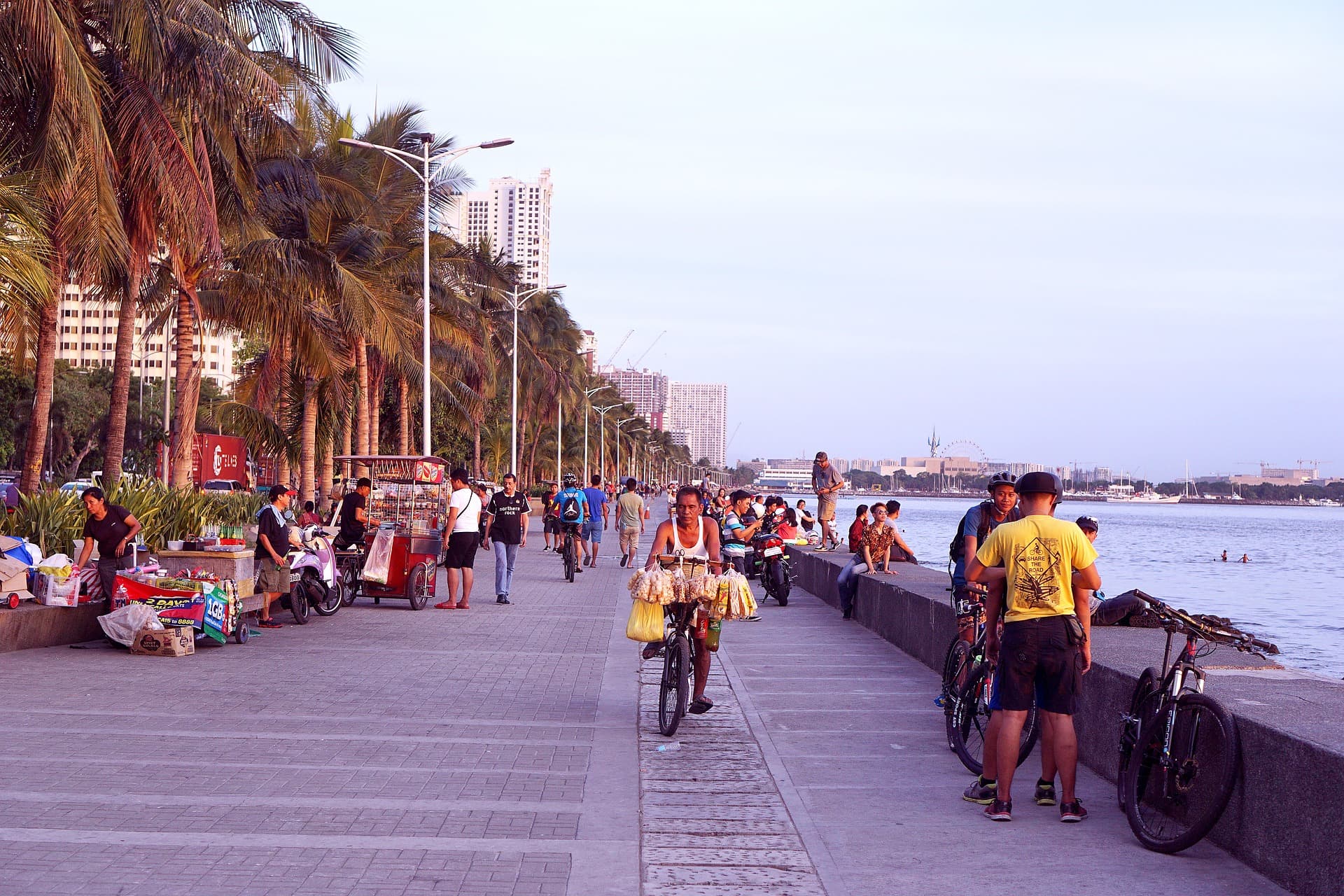
Manila
Who is Manila best for?
You'll probably enjoy Manila if you like big, energetic cities and want to balance time in the islands with a few days of urban discovery. First-time visitors to the Philippines who appreciate museums, contemporary galleries, and a varied dining scene often find the city a useful introduction before heading to quieter regions.
Manila also works well for travelers who value nightlife, live music, and neighborhood food tours, as well as those combining business with short cultural or culinary experiences. Families who are comfortable in busy, high-energy environments can use the city as a base for malls, indoor attractions, and straightforward logistics.
You may prefer another destination if your ideal trip is mainly about beaches, rainforest hikes, or slow-paced coastal towns with little time in cities. Travelers who dislike traffic, noise, or dense urban areas may feel more relaxed basing themselves in smaller hubs and limiting time in Manila to essential arrivals and departures.
If you want a holiday centered almost entirely on nature, choose other regions and treat Manila as a brief stop rather than a main focus.
How does Manila fit into an itinerary?
Manila usually sits at the start or end of a tailor-made trip through the Philippines, acting as a practical anchor for international flights and domestic connections. Many travelers arrive, spend a night or two to adjust and organize essentials, then continue to islands or highland regions, returning to Manila for a final night before departure. This keeps the calmer coastal or mountain stays in the middle of your route, with the city handling most of the logistics at either end.
On shorter holidays, Manila can frame a compact loop: arrival, a brief stay, a side trip to nearby provinces, then one last evening in the city. It can also work as a base for selected day trips if you prefer not to change hotels often, though this suits travelers comfortable with its pace and traffic. Positioning Manila at the edges of your itinerary adds contrast without slowing the overall flow of your journey.
Trips that include Manila
The Philippines luxury trip to El Nido and Manila combines the capital's colonial landmarks, including Intramuros, Casa Manila, and UNESCO-listed San Agustin Church, with visits to the modern districts of Makati and Bonifacio Global City.
The tailor-made Philippines island hopping trip begins with Manila's historic Intramuros district and Rizal Park before heading to Dumaguete, Bohol, and Cebu for a variety of island experiences.
The Northern Luzon tour: culture, rice terraces and mountains introduces Manila's history through Fort Santiago and Manila Cathedral before continuing north to Luzon's mountain landscapes and rice terraces.
For a traditional way to explore Intramuros, our local experts can organize a calesa horse-drawn carriage ride, taking you past the district's centuries-old walls and colonial landmarks.

Facade of Manila Cathedral, Manila, Philippines © Shutterstock
How many days do you need in Manila?
Travelers usually treat Manila as a short, focused stop rather than a long stay. With one full day, you can sample a historic district such as Intramuros, enjoy a Filipino meal, and handle arrival logistics without rushing.
Two days let you add a museum or gallery, explore a second neighborhood, and experience the city's dining or nightlife at a more relaxed pace. Three days work well if you want to include a side trip, build in a buffer for traffic, or mix sightseeing with shopping and café time.
Stays of four days or more mainly suit visitors with personal ties in the city, work commitments, or a strong interest in urban culture.
| Days | Recommended focus |
|---|---|
| 1 day | Key sights and arrival or departure logistics |
| 2 days | Historic core plus museums, galleries, and dining |
| 3 days | Deeper neighborhood exploration or a short side trip |
| 4+ days | Slow-paced city stay, work, or visiting friends and family |
Best region combinations
Manila combines naturally with nearby and regional destinations that contrast its urban energy. A classic first-timer route is Manila - Banaue and Batad - Sagada - Manila, creating a culture-and-landscapes loop focused on rice terraces and mountain towns.
For a beach-focused trip, Manila - Palawan (Puerto Princesa, El Nido, or Coron) - Manila balances city time with island-hopping and limestone cliffs.
Manila - Cebu - Bohol - Manila works well for travelers who want heritage towns, whale shark areas, and the Chocolate Hills in one itinerary.
Shorter breaks might pair Manila with Tagaytay and Taal Lake for cooler air and volcano views, or Subic and Zambales beaches for simple coastal downtime.
In most cases, starting and ending in Manila keeps flight plans straightforward and leaves time for a final night in the city before departure.
When is the best time to visit Manila?
December to April is generally the best time to visit the Philippines for travelers spending time in Manila, with drier weather that makes city walks and flight connections easier to manage. This is also a busy period, especially around Christmas, New Year and Easter, when hotel prices rise and transport hubs are more crowded.
From May to November, humidity increases and heavy rain or typhoons can slow traffic and disrupt onward island connections. Late November and early February can offer a useful balance of quieter stays and more flexible prices, while buffer nights before international departures help protect against weather-related delays.

Chinatown Temple, Manila @ Shutterstock
Experiences to include in Manila
Manila is the Philippines’ sprawling capital, where colonial landmarks, modern districts and lively neighborhoods sit alongside museums, markets and waterfront areas. Its mix of history, food and everyday city life makes it a useful starting point for understanding the country.
Walk Intramuros and historic Manila Bay
Spend half a day walking Intramuros, from San Agustin Church to Fort Santiago, then continue through Rizal Park to Manila Bay for sunset. This compact route layers colonial history with everyday street life and suits most first-time visitors.
Explore museums and contemporary art
Dedicate two to four hours to the National Museum complex around Rizal Park or the Ayala Museum in Makati, then contrast them with smaller galleries in Escolta or Bonifacio Global City. Together they give a grounded picture of Filipino history, design, and evolving modern art.
Sample Manila's food neighborhoods
Food is one of the top attractions in the Philippines, and Manila offers one of the country’s most varied dining scenes. Spend an evening sampling Binondo’s street food and traditional Chinese-Filipino dishes, then compare them with the modern restaurants and bars of Poblacion or Bonifacio Global City.
Experience Manila's waterfront and skylines
Plan a late afternoon around Manila Bay for the sunset views, then continue to rooftop bars in Makati or Bonifacio Global City. This pairing shows off the city's coastal setting and modern skyline and works well as a first-night orientation or final-night send-off.
Shop and recharge in major malls
Set aside a few flexible hours at SM Mall of Asia by the Bay or the Greenbelt and Glorietta complexes in Makati. These centers combine dining, shopping, and services like money changing and SIM cards, making them practical stops between flights or longer transfers.
Take a day trip to Tagaytay and Taal Lake
When time allows, add a full-day escape to Tagaytay for cooler air and views over Taal Lake and Taal Volcano. This softer-paced day suits visitors wanting scenery and fresh air without complex logistics, fitting neatly between city days or island hops.

Quiapo Market, Manila, Philippines @ Shutterstock
Planning Manila with local expert tips
Manila is a sprawling capital where historic districts, modern commercial centers, and major transport hubs extend across Metro Manila. Local experts can choose a base that suits your priorities and organize sightseeing by area, reducing the amount of time spent crossing the city in traffic.
Where to stay in Manila
Makati works well for travelers who value restaurants, shopping, and a broad choice of international hotels, while Bonifacio Global City offers a modern setting with plenty of dining nearby. Staying closer to Manila Bay or Intramuros makes sense when historic Manila is the main focus, particularly for visits to Intramuros, Rizal Park, and the National Museum complex.
Traffic is an important consideration, so choosing a hotel purely by distance on a map can be misleading. There is usually little reason to change accommodation during a short city stay. A local expert can instead select one practical base according to your arrival point, planned visits, and next destination, leaving more of your time for the city itself.
How transportation can be arranged
Ninoy Aquino International Airport serves Metro Manila, and transfer times can vary considerably with traffic, so airport journeys should be planned with a comfortable margin. Within the city, private transportation is useful when combining places in different districts, while Manila’s rail network can be practical for selected journeys.
Walking is most rewarding within compact areas such as Intramuros rather than as a way to move between distant neighborhoods. Manila is also the Philippines’ principal domestic air hub, making it a common starting point for journeys to other islands.
If you are continuing to northern Luzon, Palawan or the Visayas, your expert can arrange your final Manila day around the departure time and organize the most practical road or flight connection for the next stage.