Seoul, Gyeonggi, and Gangwon form one of South Korea's most practical regions for a multi-day trip, combining the capital's transport hub with nearby countryside and coast. Seoul anchors the area with major sights, efficient subway links, and varied neighborhoods. Gyeonggi works well for day trips to historic fortresses, themed attractions, and smaller cities while keeping one hotel base. Gangwon adds cooler mountains and beaches, best as a 1-2 night extension.
The region suits travelers who prefer a city base with short nature breaks and usually fits at the start or end of a wider South Korea route.
Why visit Seoul, Gyeonggi and Gangwon?
Seoul, Gyeonggi, and Gangwon stand out in South Korea for how tightly they compress the country’s contrasts: royal palaces and neon streets one day, pine-covered peaks and quiet fishing harbors the next. Few other regions let you feel old and new identities overlapping so intensely.
You might sip specialty coffee in a hanok courtyard, then ride a cable car above misty ridgelines only a few hours later. Street food stalls, late-opening galleries, and riverside bike paths reveal contemporary daily life, while Buddhist temples tucked into Gangwon valleys show a slower, more reflective rhythm.
Time here leaves you with a lived-in picture of Korea: commuters, hikers, and cafe-goers framed by mountains and sea air, rather than a single, postcard-perfect scene.
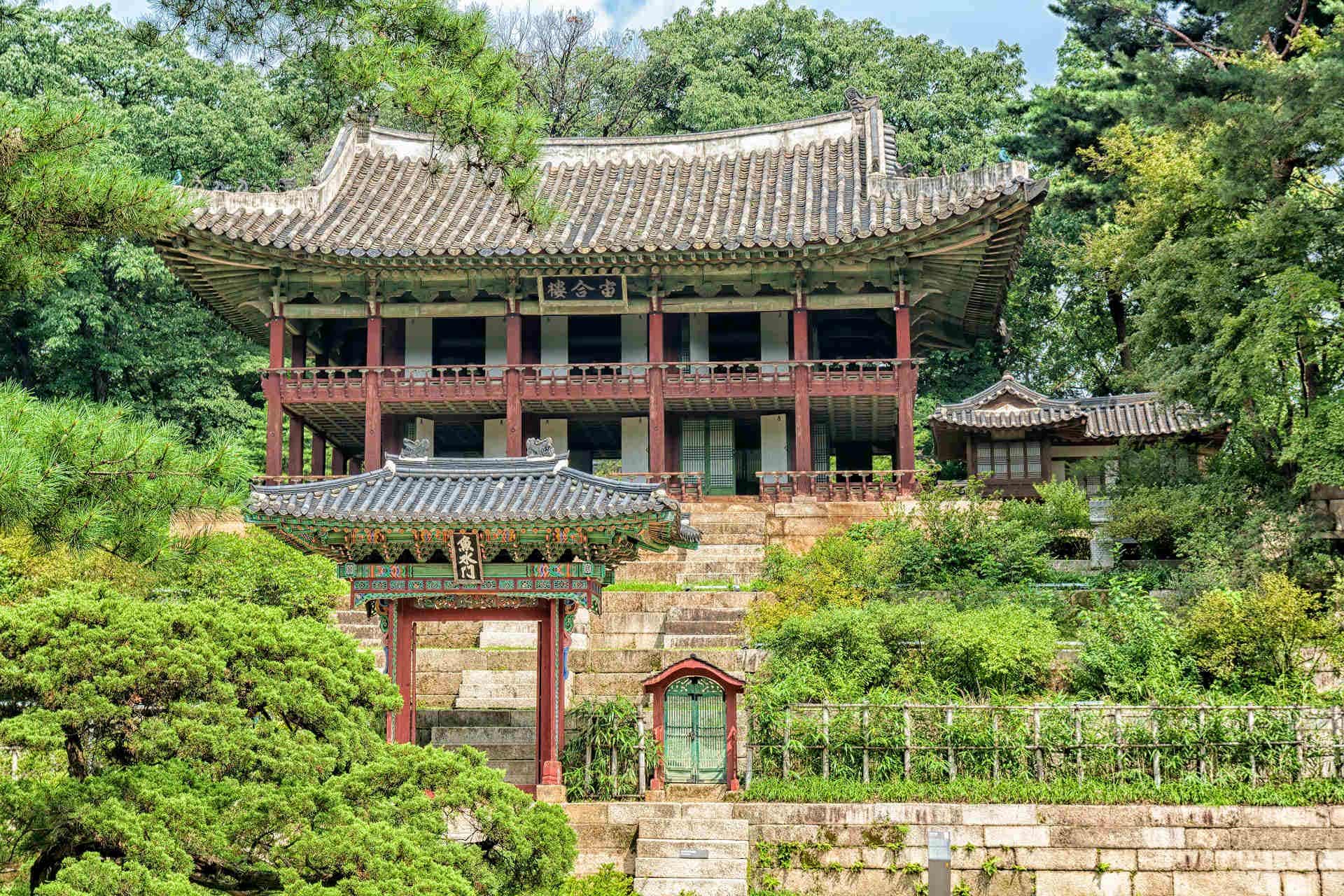
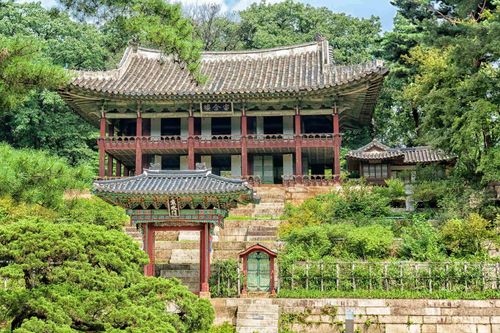
The Huwon Garden at Changdeokgung Palace in Seoul, Korea
Who is Seoul, Gyeonggi, and Gangwon best for you?
You'll probably enjoy this region if you like balancing independent exploring with a clear base. It works especially well if you want varied days out from one hub: perhaps a morning in galleries and markets, an afternoon at a theme park or folk village, and a quiet overnight in the mountains or by the coast.
First-time visitors who appreciate structure but do not want a rigid group tour often find this mix reassuring. Families and multi-generational groups tend to value the range of gentle activities and straightforward logistics, while couples often use the area as a flexible start or finish to a wider South Korea journey.
You may prefer another destination if you are looking for a single-focus trip, such as long beach holidays, multi-day trekking, or pure rural quiet. Travelers who dislike any time in large cities, or who want one all-inclusive resort stay with minimal transfers, might be better served by a smaller coastal area or an island base elsewhere in South Korea.
How do Seoul, Gyeonggi and Gangwon fit into an itinerary?
Seoul, Gyeonggi and Gangwon usually shape the opening or closing chapter of a trip in South Korea. Many travelers fly into Seoul, settle there first, then fan out on short forays into Gyeonggi before adding a two- or three-night change of scene in Gangwon. Others end their holiday here, returning from elsewhere in the country to slow the pace with a few flexible days based in the capital.
On a shorter route, it is common to stay mainly in Seoul and treat Gyeonggi and parts of Gangwon as easy add-ons, adjusting the number of nights rather than switching hotels too often. On longer plans, Seoul becomes one of several urban stops, linked by rail with other regions, while Gangwon is woven into a wider road or rail loop.
The area works best when you keep a small number of bases and rely on efficient day or overnight trips to change the rhythm of your journey without constant repacking.
Trips that include Seoul, Gyeonggi and Gangwon
The South Korea culture trip: Seoul, Gyeongju, Busan and Jeju explores Gyeongbokgung Palace, the traditional houses of Bukchon Hanok Village, and Insadong's craft shops and galleries. A shared DMZ tour adds insight into Korea's divided history.
The South Korea luxury tour: heritage and nature trip includes the changing of the guard at Gyeongbokgung Palace, a visit to the National Folk Museum of Korea, and time among Bukchon's hanok houses and Insadong's traditional shops.
The Tailor-made South Korea tour: Seoul to Jeju introduces Seoul through Gyeongbokgung Palace, the National Folk Museum, Bukchon Hanok Village, and Insadong's tea houses before continuing to Andong, Gyeongju, Busan, and Jeju.
For a more personal introduction to Korean culture, our local experts can make room for a cooking class in Seoul or extra time exploring Gyeongbokgung's palace courtyards.
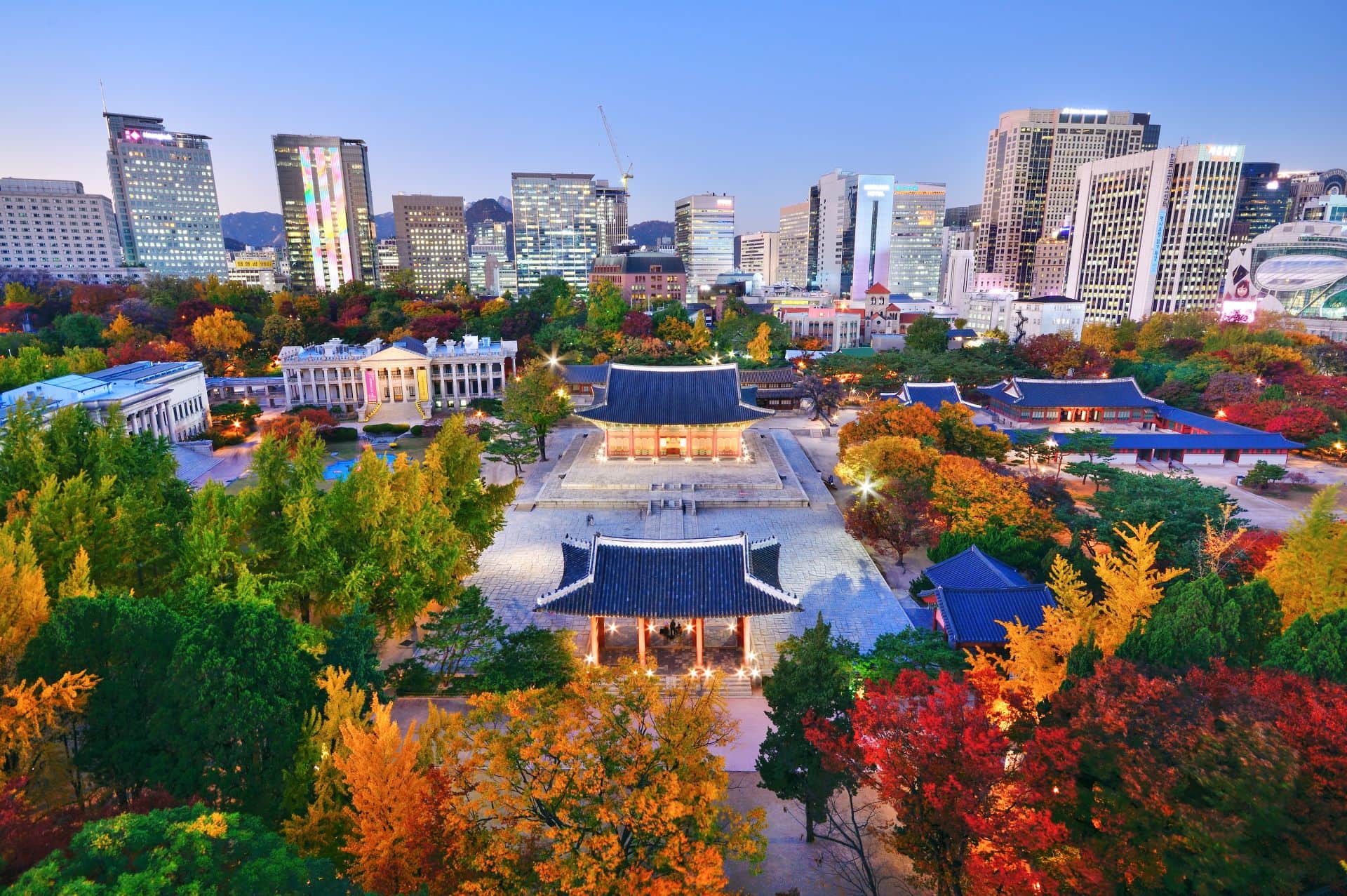
Seoul city
How many days do you need?
Most travelers spend 4-7 days across Seoul, Gyeonggi, and Gangwon, splitting time between a city base and one or two short escapes. Stays under three days usually focus on Seoul only, while longer trips allow at least one overnight in the mountains or by the sea. Because transport is efficient, you can layer in day trips without constantly changing hotels, then add an extra night or two when you want a slower pace.
| Days | Suggested route | Ideal pace |
|---|---|---|
| 3 days | Seoul only with one Gyeonggi day trip | Snapshot of highlights, busy days |
| 5 days | Seoul base with 1-2 Gyeonggi excursions | Balanced, time for evenings in the city |
| 7 days | Seoul + 1-2 nights in Gangwon | Comfortable mix of city, mountains, and coast |
| 10 days | Seoul + Gyeonggi towns + Gangwon stay | Unhurried, deeper neighborhood and nature time |
Adding days opens up smaller towns, quieter valleys, and coastal walks that often become the most distinctive parts of a South Korea journey.
Best region combinations
A classic route links Seoul with Suwon in Gyeonggi and Sokcho in Gangwon, starting in the capital, then heading to Suwon's historic core before finishing with sea air and mountain views in Sokcho; this suits first-timers wanting variety with straightforward train and bus journeys.
Another option is Seoul-Chuncheon-Gangneung, combining riverside bike rides and lakes around Chuncheon with Gangneung's beaches and cafes on the East Sea coast, ideal for couples and food-focused travelers.
Families often enjoy Seoul-Yongin-Pyeongchang, pairing city sights with theme parks near Yongin and open countryside in Pyeongchang.
Active travelers can follow Seoul-Wonju-Seoraksan, using Wonju as a gateway to easier trails before tackling Seoraksan's more dramatic scenery.
For a slower tempo, Seoul-Gapyeong-Jeongseon strings together rivers, rail-bike routes, and rural valleys suited to those who prefer gentle walks over long hikes.
When is the best time to visit Seoul, Gyeonggi and Gangwon?
Late March to May and late September to early November are generally the best times to visit South Korea for travelers exploring Seoul, Gyeonggi and Gangwon. Mild temperatures and clearer skies suit palace visits, neighborhood walks and mountain viewpoints, although cherry blossom and fall foliage periods attract larger crowds.
Summer is hot and humid in Seoul, while Gangwon’s coast and higher elevations offer cooler conditions for outdoor activities. Winter is cold but atmospheric, with snow sports in Gangwon and quieter temple visits, though extra travel time and warm clothing are essential.

Gilsangsa temple in Seoul © Shutterstock
Experiences to include in Seoul, Gyeonggi and Gangwon
Seoul, Gyeonggi and Gangwon bring together South Korea’s capital, historic towns, mountain parks and eastern coastline. The region offers a broad mix of palaces, neighborhoods, traditional culture, outdoor scenery and easy escapes from the city.
Walk between palaces and old streets in central Seoul
Link Gyeongbokgung, Changdeokgung and the lanes of Bukchon Hanok Village into a half- or full-day walk that shows Seoul’s layering of dynastic history and modern life. It suits first-timers who like exploring on foot with plenty of cafe and museum stops.
Immerse yourself in contrasting Seoul neighborhoods
Spend unhurried time moving between Myeongdong, Ikseon-dong and Hongdae to experience shopping streets, renovated hanok alleys and live-music nightlife. This mix works well over one or two evenings, giving a fuller sense of how different parts of the city feel after dark.
Take easy day trips to Gyeonggi’s historic and theme-park hubs
Use Seoul as a base for varied Gyeonggi outings, such as Suwon Hwaseong Fortress for city walls and Yongin’s Everland for family rides. These contrasting days keep children and adults engaged without the need for frequent hotel changes.
Slow down by lakes and rivers near Chuncheon and Gapyeong
Escape the city with gentle walks and boat rides around Chuncheon’s Uiam Lake and Gapyeong’s Bukhangang River enclaves. These areas suit couples and families wanting relaxed scenery, cafe stops and easy cycling rather than strenuous hiking.
Hike among peaks and temples in Seoraksan National Park
One of the top attractions in South Korea, Seoraksan National Park near Sokcho, offers rugged peaks, forested valleys, historic temples, and panoramic cable-car views. Spend one or two nights in the area, choosing anything from gentle valley walks to full-day hikes for a refreshing contrast to Seoul.
Combine Gangneung and Sokcho for coastal air and seafood
Split a couple of days between Gangneung’s coffee-lined Anmok Beach and Sokcho’s harbor district for sea views, markets and fresh hoe sashimi. This coastal pairing suits travelers who want cooler evenings, seaside strolls and easy access back to Seoul by bus or train.

Seoraksan National Park, South Korea © AdobeStock
Planning Seoul, Gyeonggi, and Gangwon with local expert tips
Seoul, Gyeonggi and Gangwon combine the energy of South Korea’s capital with royal heritage, mountain landscapes and the country’s northeastern coast. Local experts can use Seoul as the starting point while deciding which places work as excursions and which deserve an overnight away from the city.
Where to stay in Seoul, Gyeonggi and Gangwon
In Seoul, areas around Jongno place palaces, traditional neighborhoods, and many historic sights close at hand, while Myeongdong offers convenient shopping and transport connections. Gyeonggi surrounds the capital, so many destinations there can be visited without changing hotels.
Suwon is an exception worth considering when its historic fortress and surrounding area are of particular interest. Gangwon is better treated as a separate stage. Sokcho provides access to Seoraksan National Park and the east coast, while Gangneung suits travelers wanting beaches, cafes, and coastal scenery.
Rather than keeping Seoul as your base for every excursion, your local expert can add an overnight in Gangwon when mountain walks or the coast are priorities, reducing repeated journeys back to the capital.
How transportation can be arranged
Seoul’s extensive subway and rail systems make exploring the capital and parts of Gyeonggi straightforward, with private transportation useful for destinations that require several local connections. Intercity trains and express buses provide efficient links into Gangwon, while a private vehicle gives more freedom when combining mountain areas with smaller coastal stops.
Incheon International Airport is the principal international gateway and can be connected directly with your Seoul hotel or incorporated into the final stage of the route. Your expert can, for example, arrange several nights in Seoul followed by a stay near Seoraksan and a journey along the east coast, then organize your return or onward rail connection according to your departure plans.