The Cultural Triangle is Sri Lanka's core heritage region, where ancient capitals, rock fortresses and cave temples lie within short drives of each other. It earns a place in a multi-day itinerary if you want to focus on archaeology, history and slower overland travel rather than beaches or highland scenery.
The area suits travelers who prefer a base-and-explore approach, with 2-4 nights allowing practical day trips to major sites and nearby national parks. It usually sits in the middle of a wider route, linking Colombo or Negombo with Kandy, the hill country and later coastal stays.
Why visit the Cultural Triangle?
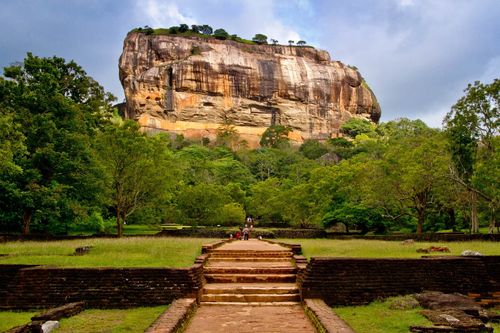
Sri Lanka's Cultural Triangle is where the island's ancient kingdoms feel most alive, with colossal rock citadels rising from jungle plains and Buddha statues carved into cave walls. Nowhere else in the country offers such a concentration of UNESCO-listed ruins within quiet farming landscapes.
Climbing Sigiriya at sunrise reveals frescoed rock faces and long views over reservoirs and forest. Wandering the processional avenues of Anuradhapura or Polonnaruwa at dusk, while monks and pilgrims still arrive to worship, creates a vivid link between past and present. Inside dim cave temples, flickering oil lamps pick out murals that have survived for centuries.
Time here leaves you with a slower, more reflective impression of Sri Lanka, shaped by hours among ruins, tanks and village lanes rather than by coastal bustle or cool hill country.
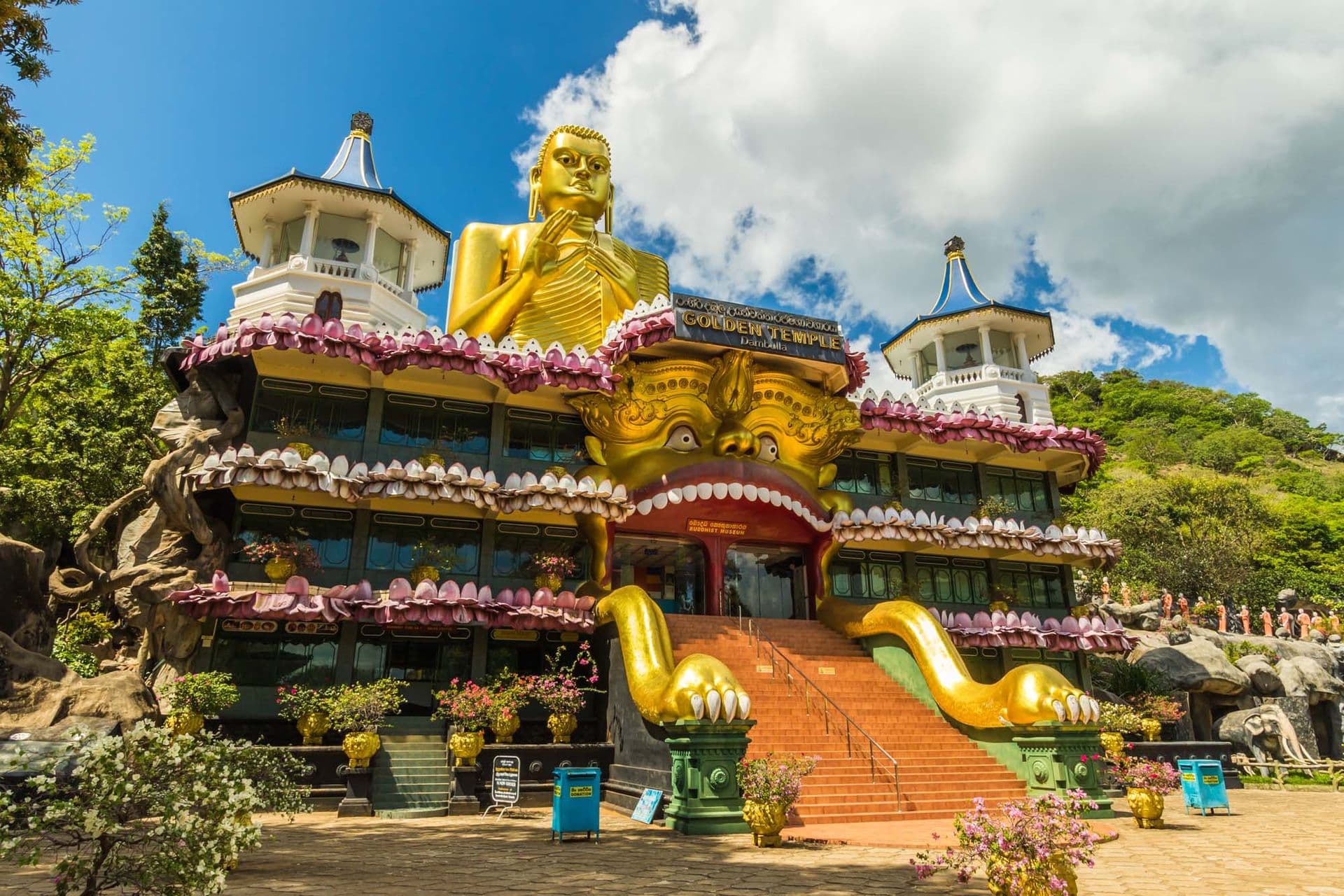
Dambulla Cave Temple. Sri Lanka
Who is the Cultural Triangle best for?
You’ll probably enjoy Sri Lanka’s Cultural Triangle if unhurried exploration and layered history appeal more than ticking off beaches. Thoughtful first-time visitors who care about context and storytelling, as well as return travelers wanting to go beyond the coast, tend to value the slower pace here.
It works particularly well for couples and solo travelers happy to spend half or full days wandering ruins and temples, and for families with school-age children who enjoy climbing viewpoints and hearing myths brought to life. Photographers and wellness-minded travelers also appreciate the softer early-morning and late-afternoon light and calmer atmosphere.
You may prefer another destination if your priority is a classic beach holiday, nightlife, or a resort-based stay with minimal driving. Travelers seeking adrenaline activities every day, or very young families needing short, highly structured days with playground-style entertainment, often feel better matched with the south or east coasts or hill-country bases, using the Cultural Triangle only for a short stop.
How does the Cultural Triangle fit into an itinerary?
The Cultural Triangle usually shapes the central portion of a longer Sri Lanka holiday, sitting between your arrival on the west coast and time in the hills or by the sea. Many routes begin in Colombo or Negombo, then head inland to a base in or near Sigiriya, Dambulla or Habarana before continuing south towards Kandy and the tea country, or east to the beaches around Trincomalee and Passekudah.
Because distances between key towns are short, most travelers pick one main base, sometimes adding a second for variety, and make day trips rather than changing hotels every night. On a 10-14 day itinerary, allocating roughly a third of your time here keeps sightseeing relaxed without rushing other regions.
Shorter holidays might fold a 2-3 night stay into a broader road trip that also links the hill country and either the southern or eastern coasts. Adding the Cultural Triangle generally slows the rhythm of your journey, giving a more reflective middle section between busier city time at the start and more active days on the coast at the end.
Trips that include Cultural Triangle
The best of Sri Lanka trip takes in Dambulla Cave Temple's painted shrines, the ancient ruins and Royal Palace of Polonnaruwa, and the spectacular Sigiriya Rock Fortress. A dinner at Sparkling Wild Sky restaurant adds a culinary experience before the journey continues to Kandy.
The Unforgettable Sri Lanka trip explores Anuradhapura's sacred landmarks, including Isurumuniya, Sri Maha Bodhi, and Ruwanwelisaya. Travelers also visit the fifth-century Aukana Buddha, an impressive statue carved from granite, before heading to Habarana.
The Tailor-made classic Sri Lanka trip visits Anuradhapura's ancient temples and the sacred Sri Maha Bodhi, followed by a climb at Mihintale, an important Buddhist pilgrimage site, before continuing to the Trincomalee coast.
To explore these ancient sites at a more relaxed pace, our local experts can allow extra time at Polonnaruwa's Royal Palace or for the climb at Mihintale.
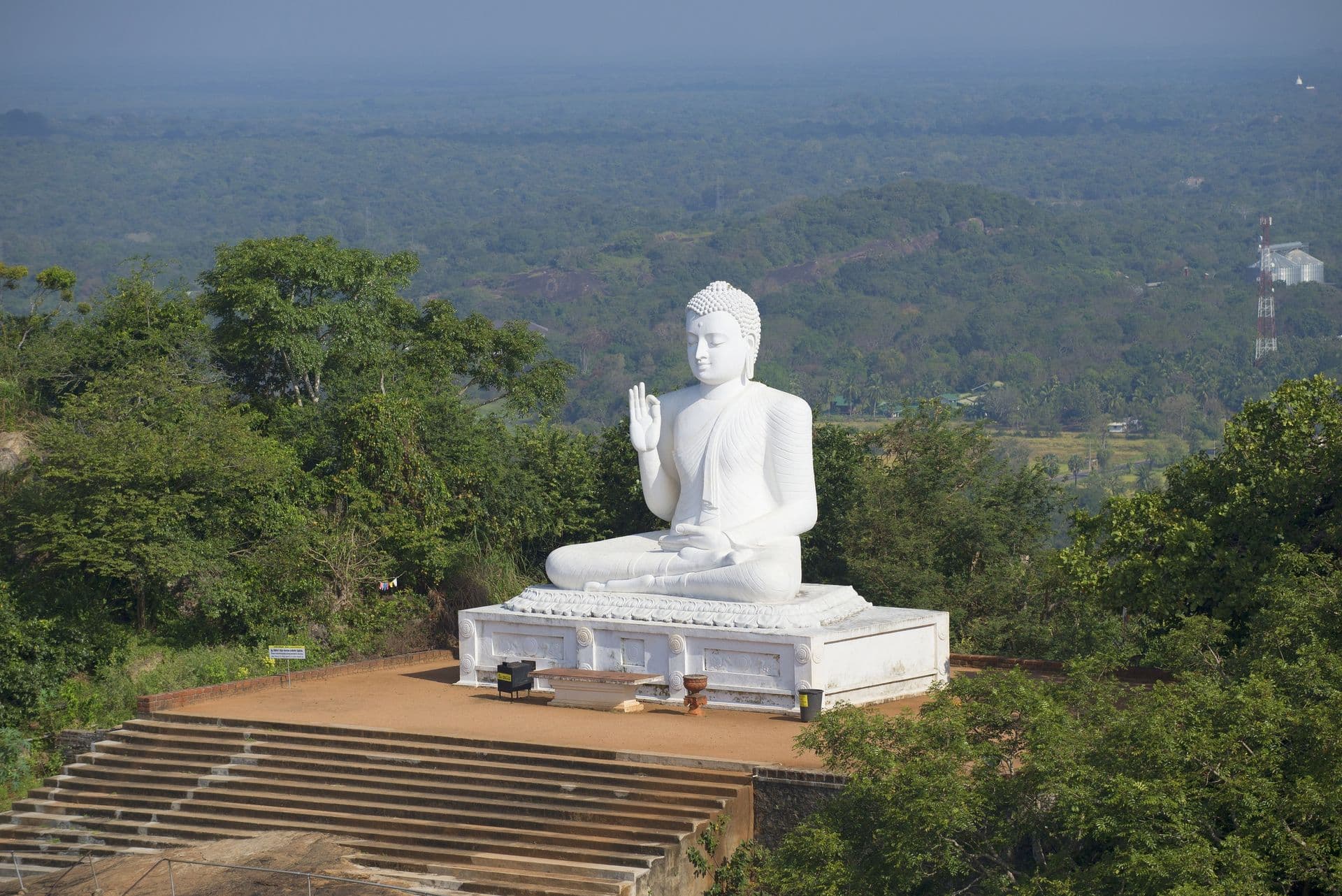
Sculpture of a seated Buddha. Mihintale, Sri Lanka
How many days do you need?
Most travelers spend 2-4 full days exploring the Cultural Triangle, using one base to visit several key sites rather than changing hotels. With 2 days you can focus on headline sights such as Sigiriya and Dambulla, accepting early starts and a fairly brisk pace.
Three days allows time for one of the ancient capitals plus a slower morning or evening in a village or nearby wildlife area. Four or more days suit those who enjoy in-depth historical visits, quieter secondary sites and time to relax at your lodge between excursions.
| Days | Suggested route | Ideal pace |
|---|---|---|
| 2 | Base near Sigiriya with visits to Sigiriya Rock and Dambulla Cave Temples | Focused, early starts, limited downtime |
| 3 | Sigiriya/Dambulla base with a day trip to either Anuradhapura or Polonnaruwa | Balanced, time for sunset views |
| 4+ | Two bases, for example Habarana and near Anuradhapura or Polonnaruwa | Unhurried, room for wildlife or village experiences |
Each additional day opens up more scope for lesser-visited ruins, rural temples, longer village visits and jeep safaris in nearby national parks.
Best region combinations
A classic combination is Colombo or Negombo - Cultural Triangle - Kandy - Nuwara Eliya or Ella - south coast beaches. You move gradually from heritage sites through tea country to the ocean, suiting first-time visitors and couples who enjoy varied scenery.
Another option is Colombo - Cultural Triangle - Trincomalee or Nilaveli, ideal from roughly April to September for travelers wanting history plus quieter east-coast beaches.
Shorter trips might pair Negombo - Cultural Triangle - Kandy, manageable in about a week and good for families who prefer fewer long drives.
Wildlife-minded travelers can link the Cultural Triangle with Minneriya or Kaudulla, then continue to Wilpattu or Yala for more focused safaris.
For a slower feel, combining the Cultural Triangle with Kalpitiya or the less developed stretches of the south coast suits those who value space and simple coastal time after days among ruins.
When is the best time to visit the Cultural Triangle?
May to September is generally the best time to visit Sri Lanka for travelers exploring the Cultural Triangle, with drier weather and clearer skies for climbing viewpoints and visiting ancient ruins. Midday heat can be intense, so early-morning and late-afternoon sightseeing is usually more comfortable.
From November to March, brief showers are more common, but the landscapes are greener and temperatures can feel slightly milder. Full-moon poya days and local holidays bring larger pilgrim crowds to major temples, while the region pairs particularly well with the east coast in midyear and the south or west coasts during the northern winter.
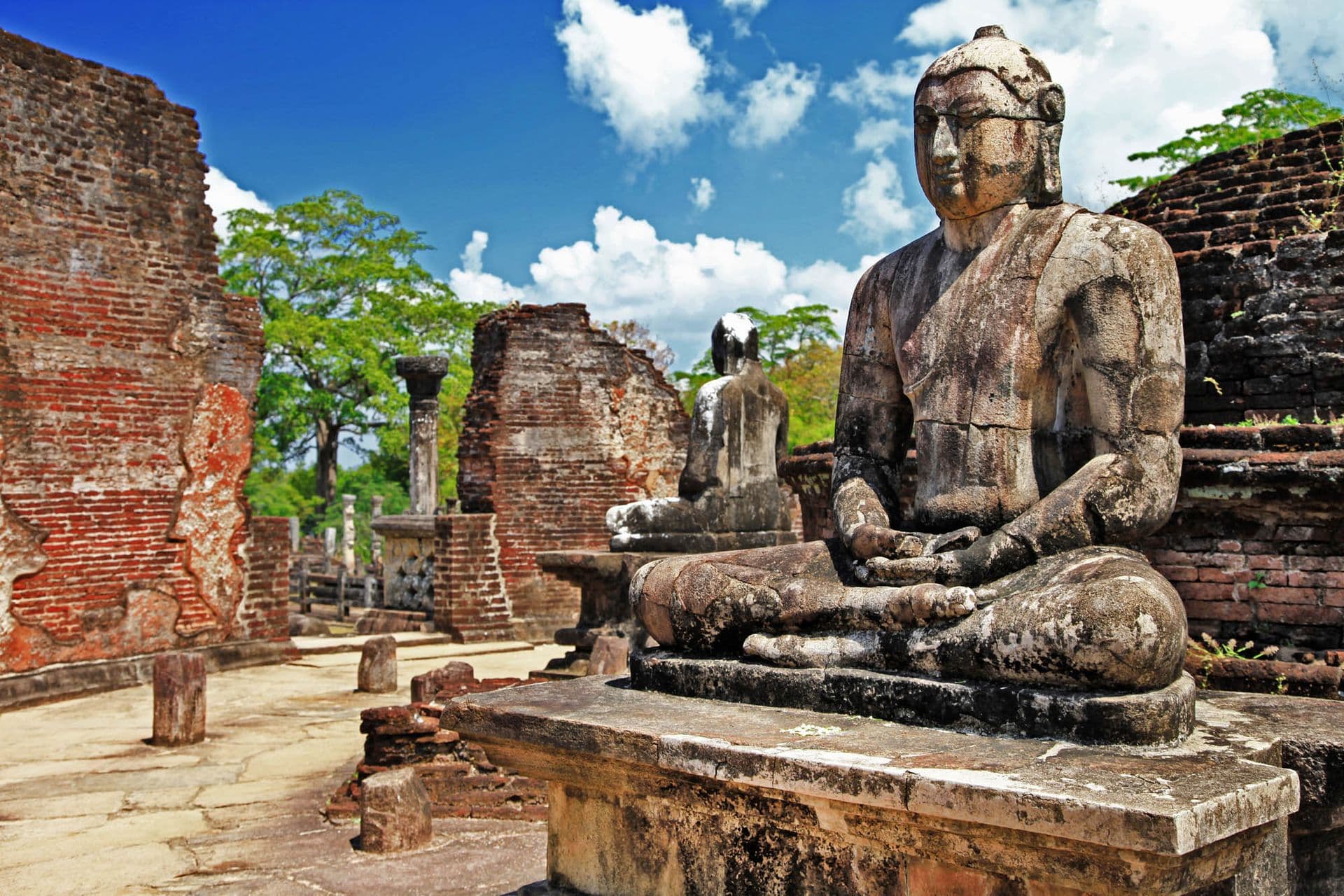
Buddha in the Polonnaruwa temple
Experiences to include in the Cultural Triangle
Sri Lanka’s Cultural Triangle brings together ancient cities, cave temples, rock fortresses and important Buddhist sites across the island’s central plains. Its archaeological landscapes and nearby wildlife reserves make it one of the country’s richest regions for history, culture and nature.
Climb Sigiriya and Pidurangala for contrasting views
Climbing Sigiriya Rock at sunrise or late afternoon gives sweeping views over forest and lakes, while nearby Pidurangala offers a quieter, more rugged ascent. Together they justify at least half a day for active travelers and photographers.
Explore the ancient capitals of Anuradhapura and Polonnaruwa
Anuradhapura and Polonnaruwa rank among the top attractions in Sri Lanka, with dagobas, palace ruins and sacred monuments spread across leafy archaeological grounds. Allow a full day to explore by bike or on foot, ideally with a guide to bring the ancient capitals’ history into focus.
Visit Dambulla Cave Temples in softer light
Visiting the Dambulla Cave Temples in early morning or near sunset lets you appreciate their painted ceilings and Buddha statues with fewer crowds and cooler temperatures. Allow a half-day including the hill climb, suited to reasonably active visitors.
Combine Minneriya or Kaudulla with a village visit
An afternoon jeep safari in Minneriya or Kaudulla, followed by a simple village dinner near Habarana, mixes wildlife with everyday rural life. This combination rewards one long half-day and works well for families and first-time visitors.
Unwind at a lodge between excursions
Staying at a tranquil lodge near Habarana, Sigiriya or Kandalama lets you balance hot, dusty site visits with pool time, spa treatments or birdwatching by the lake. Plan relaxed middays here, especially on three- or four-night stays.
Seek quieter ruins at Ritigala or Mihintale
Including lesser-visited sites such as Ritigala's forest monastery or Mihintale's hilltop shrines adds a more contemplative side to time in the Cultural Triangle. A half-day at one of these places suits repeat visitors or those preferring calmer, spiritual settings.
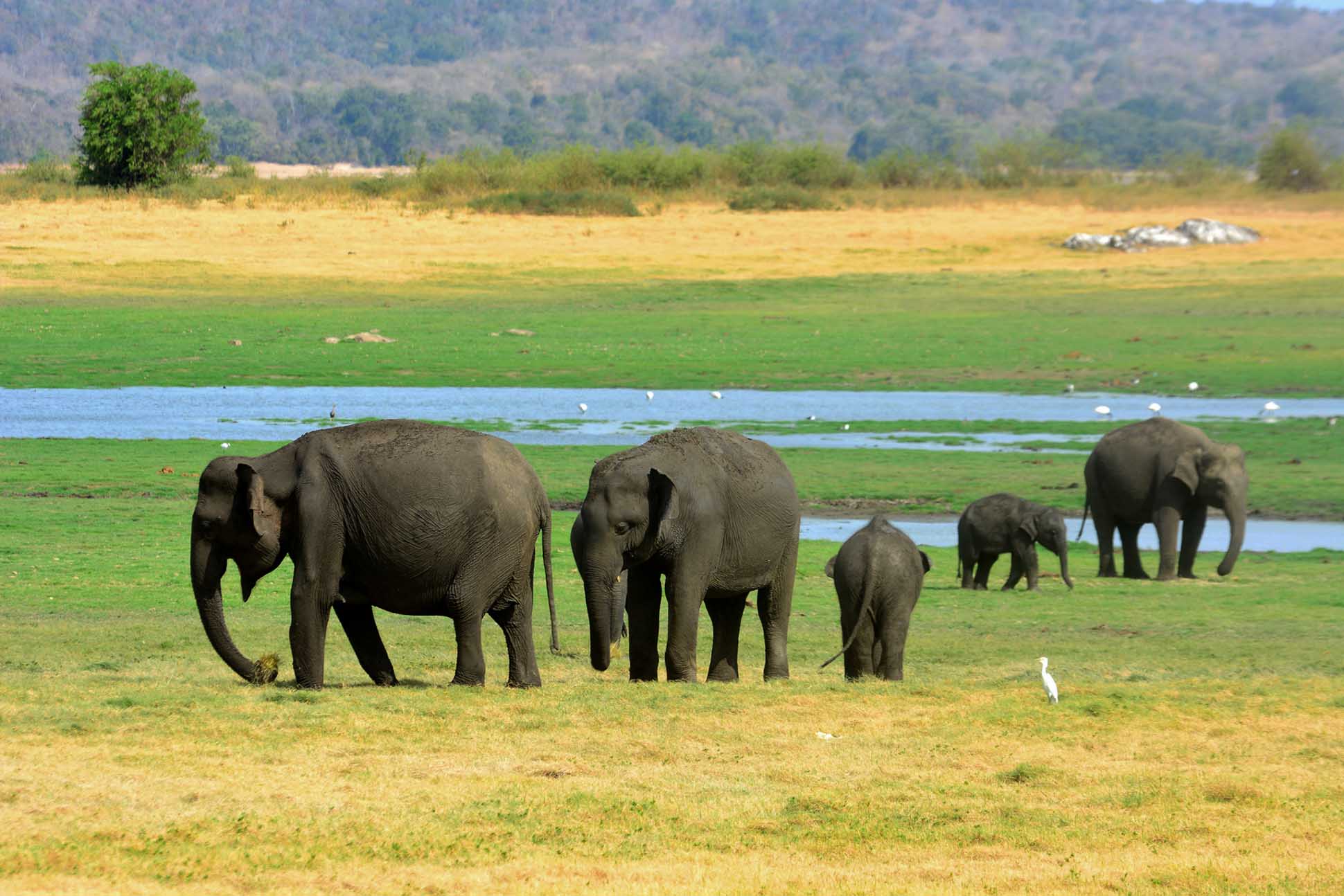
Herd of Sri lankan elephant in Minneriya
Planning Sri Lanka’s Cultural Triangle with local expert tips
Sri Lanka’s Cultural Triangle brings together ancient capitals, Buddhist monuments, cave temples and dramatic archaeological landscapes across the island’s north-central region. Local specialists can arrange the major sites in a sensible sequence, balancing time among Anuradhapura, Polonnaruwa, Sigiriya and Dambulla without making every day a long return journey.
Where to stay in Sri Lanka’s Cultural Triangle
Habarana and Sigiriya are practical bases for the central part of the Cultural Triangle, with straightforward access to Sigiriya Rock, Dambulla and Polonnaruwa.
Staying near Sigiriya works particularly well if you want an early start at the rock fortress or prefer a quieter rural setting. Anuradhapura lies farther northwest and can justify a separate overnight when its extensive archaeological remains are a priority.
Rather than changing hotels for every ancient city, your local expert can select one central base and add Anuradhapura only when it improves the route. Travelers continuing toward Kandy can then visit Dambulla as part of the southbound journey, leaving more time for the archaeological sites that benefit from slower exploration.
How transportation can be arranged
Private road transportation is especially useful within the Cultural Triangle because the principal sites are spread across a broad area and do not all connect conveniently by rail. A driver allows visits to be arranged around opening hours, heat, and the amount of time you want to spend at each archaeological complex.
Bicycles can also be incorporated when exploring parts of Polonnaruwa, while local transportation may be useful for shorter journeys around individual bases.
If you are traveling from Colombo toward Kandy, your expert can build the Cultural Triangle into a continuous route through Anuradhapura, Sigiriya and Dambulla, adjusting the sequence to your chosen sites and avoiding unnecessary returns to Colombo between stages.