Chiang Mai and its surrounding region offer a focused way to experience northern Thailand beyond the beaches, with accessible culture, countryside and food in one area. For a multi-day trip to Thailand, it works well as a northern base that balances Bangkok or the islands with quieter, cooler landscapes and a smaller-city scale.
A local expert can structure your days efficiently, combining temples and old-town walks with nearby hill-country, ethical elephant visits or village time, while factoring in travel times and seasonal weather. This helps you decide which experiences to prioritise, how many nights to allocate, and the most practical way to connect Chiang Mai with the rest of your itinerary.
Why visit Chiang Mai?
Chiang Mai rewards anyone who slows down and looks closely at northern Thailand. Beyond the old city temples and markets, the wider region opens into forested mountains, river valleys and small communities where daily life follows long-standing rhythms. Time here adds contrast to a wider Thailand journey, breaking up hotter, faster-paced days elsewhere with cooler air, greenery and quieter evenings.
Instead of racing between major sights, you might sit over a roadside curry, watch dawn light creep across the hills, or see how regional dishes and crafts are still made by hand. You leave with a clearer sense of how northern landscapes, food and traditions fit together, and with memories shaped more by these small, unhurried encounters than by headline attractions.
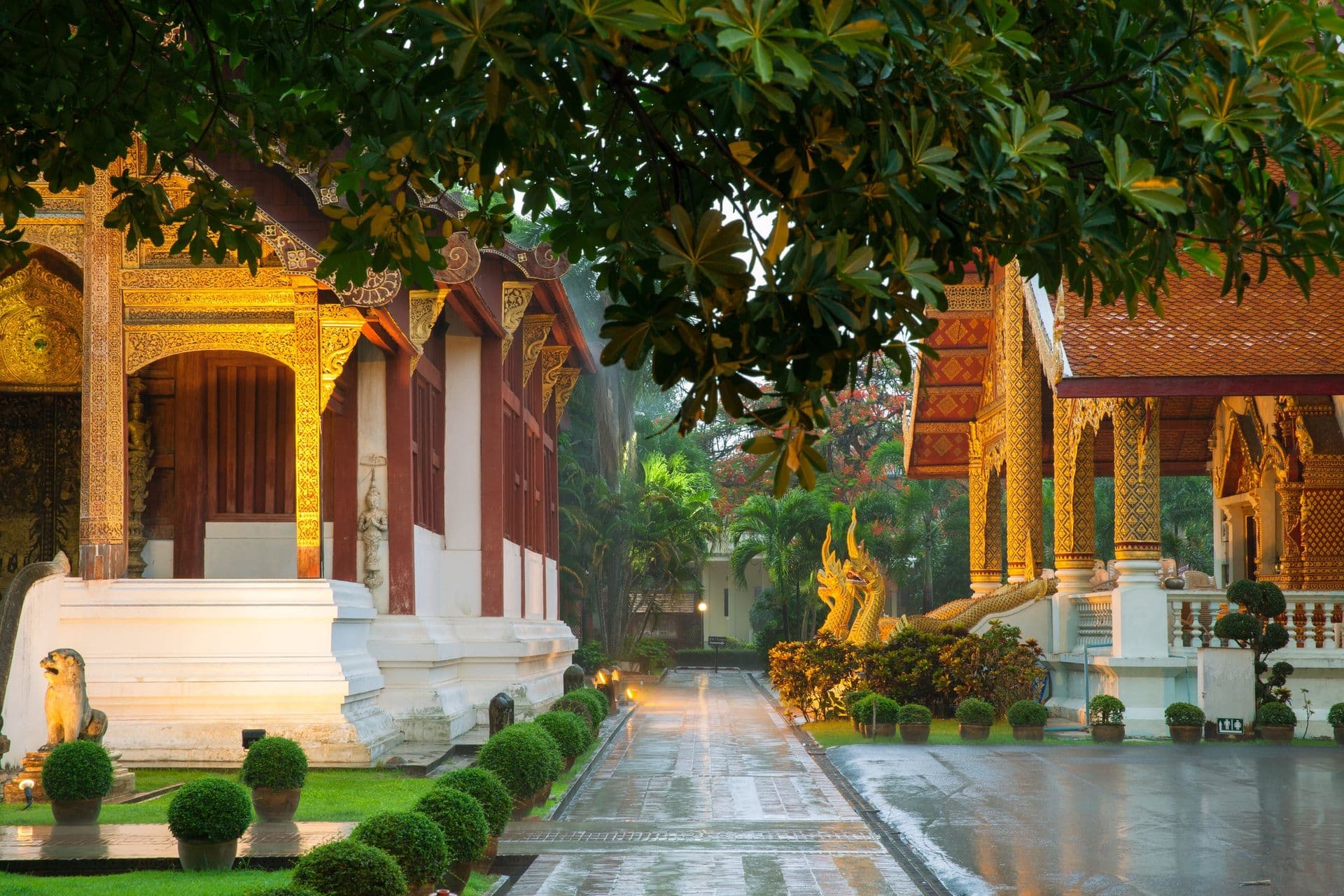
Wat Phra Singh Temple, Chiang Mai, Thailand. Chiang Mai's most revered temple.
Who is Chiang Mai best for?
You'll probably enjoy Chiang Mai if you like quieter, more reflective trips and do not mind trading nightlife and beaches for slower evenings and greenery. It suits couples and friends who enjoy good food, local markets and gentle exploring rather than ticking off big sights.
Families with school-age children often appreciate the manageable size, relaxed pace, and chances for simple outdoor time and craft activities. Returning visitors to Thailand who already know Bangkok or the islands usually value the contrast and the opportunity to spend time in smaller communities.
You may prefer another destination if your ideal trip is defined by long days on the beach, big-resort facilities, or late-night partying. Very short first-time visits to Thailand might work better if focused on Bangkok or an island, where logistics are simpler and travel times shorter.
If you mainly want high-end shopping, rooftop bars and intense city energy, other Thai cities will likely fit your style more closely than Chiang Mai and its surrounding hills
How does Chiang Mai fit into an itinerary?
Chiang Mai usually works as the quieter northern leg within a wider Thailand journey, sitting alongside Bangkok, central Thailand, and one or two beach areas in the south. Many travelers place it in the middle of the trip, using a few slower days here to reset after an energetic arrival in Bangkok before flying on to the islands. Others finish in the region when they prefer to end with calmer evenings rather than on the coast.
It combines naturally with Bangkok, Ayutthaya, or Sukhothai, and then a southern beach such as Phuket, Krabi, or Koh Samui. Including Chiang Mai generally softens the overall pace, building in time for gentler days and unhurried transitions between north, centre and south.
Trips that include Chiang Mai
The Chiang Mai adventure tour: nature and culture explores Wat Doi Suthep, Wat Chedi Luang, and Wat Phra Sing, with time to browse Talat Warorot and sample local street food.
The Northern Thailand trip: Chiang Mai and Chiang Rai discovers silk weaving and umbrella painting in San Kamphaeng before visiting Wat Phra Singh, Wat Bupparam, and Wat Doi Suthep on the way to Chiang Rai.
The Thailand family tour: tailor-made adventure for all ages travels from Bangkok to Chiang Mai, combining a visit to Warorot Market with the historic temples of Wat Phra Singh, Wat Chedi Luang, and Wat Chiang Man before continuing to Khao Lak.
In Chiang Mai, our local experts can balance visits to San Kamphaeng's craft workshops with a relaxing Ping River cruise, giving you time to enjoy both experiences.

Wat Phra Singh in Chiang Mai, Thailand. © Shutterstock
How many days do you need?
Chiang Mai rewards an unhurried stay. With 2-3 days, you can focus on the old city's temples, markets, and a single countryside outing, useful if you are fitting the region between Bangkok and the islands.
Four to five days add time for hill-country walks, handicraft villages, and a cooking class, with space to pause rather than rush between sights. A week or more suits travelers who want slower mornings, wellness or yoga, and deeper community visits without daily packing and travel.
| Days | Recommended focus |
|---|---|
| 2-3 | City temples, night markets, one nearby countryside or foodie experience. |
| 4-5 | Mix of city highlights, hill-country day trips and hands-on activities. |
| 6-7+ | Relaxed pace with extra nature, wellness and village-based stays. |
Shorter stays suit first-timers on tight routes, while longer visits work best for travelers who value calm days, flexible exploring and time to linger.
Best region combinations
A classic route is Bangkok - Ayutthaya - Chiang Mai - Krabi or Phuket, balancing history, northern countryside and southern beaches; it suits first-timers wanting variety without complex travel.
Another option is Bangkok - Sukhothai - Chiang Mai, ideal for history enthusiasts who prefer cultural sites and quieter evenings over coast time.
For a slower northern focus, combine Chiang Mai with Pai and Mae Hong Son, giving more time in the hills and small towns for walkers and photographers.
Couples and food lovers often enjoy Bangkok - Chiang Mai - Chiang Rai, linking markets, coffee country, and the Golden Triangle.
Families might choose Chiang Mai after a few days in Hua Hin or Koh Samui, using flights via Bangkok to move cleanly between beach downtime and cooler northern air.
When is the best time to visit Chiang Mai?
The best time to visit Thailand for exploring Chiang Mai is generally during the cool, dry months from November to February. Clearer skies and pleasant daytime temperatures make this an ideal period for wandering Chiang Mai's old city, visiting temples, browsing night markets, and exploring the surrounding countryside. It is also a popular time to visit, so a Local Expert can help you discover quieter temples or lesser-known valleys beyond the busiest sights.
March and April are hotter and can feel intense in the middle of the day, while seasonal haze may also affect Chiang Mai and the surrounding region. Slower starts, shaded activities, and pool time can make these months more manageable. From May to October, the rainy season brings greener hills, fewer crowds, and often better value, although afternoon showers are common. This period suits travellers who prioritise lush scenery and a calmer atmosphere over guaranteed sunshine.
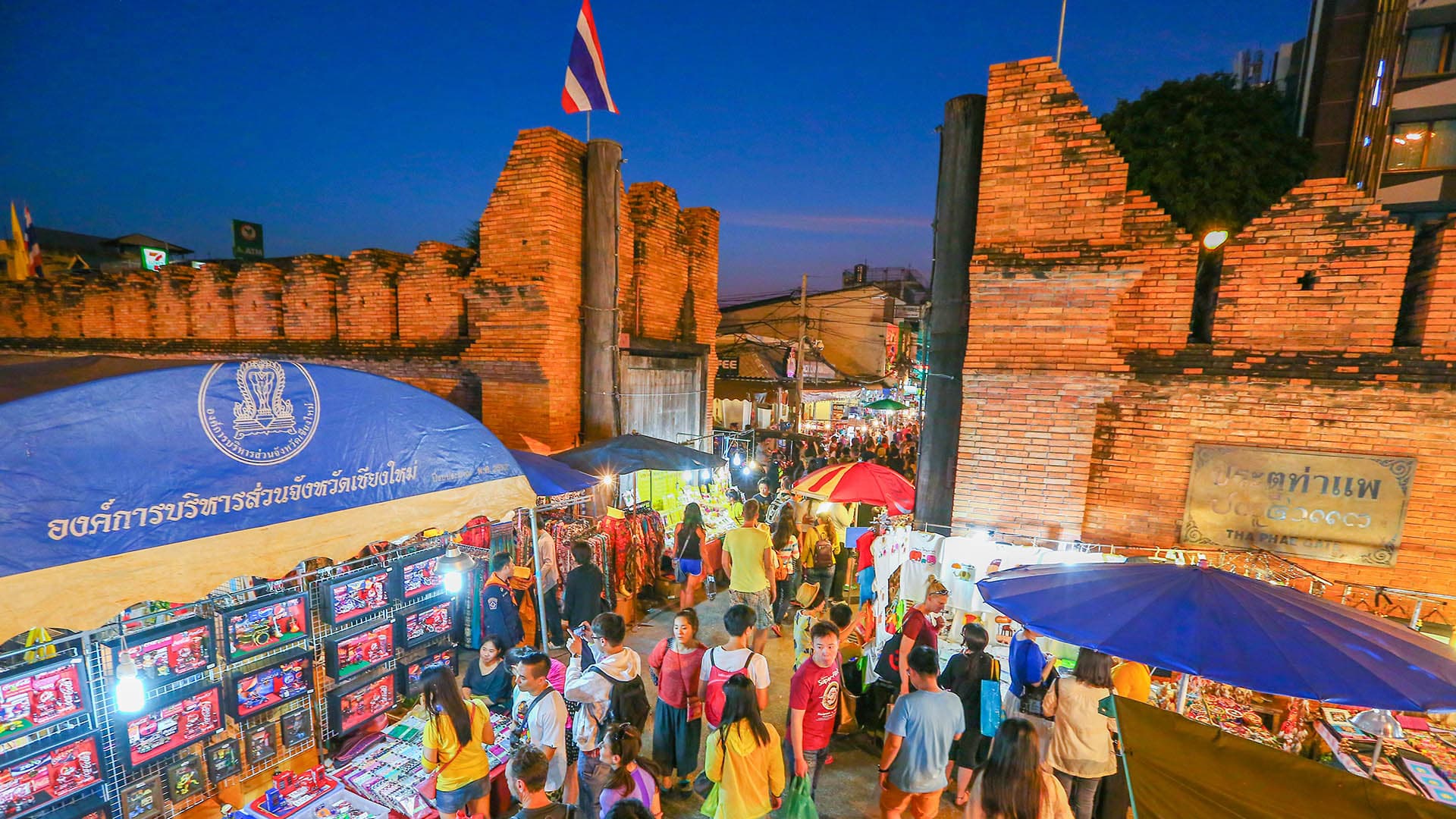
Chiang Mai Old Town
Experiences to include in Chiang Mai
The experiences below highlight the most worthwhile ways to spend time in and around Chiang Mai, focusing on activities that deepen your connection with northern Thailand rather than listing every individual sight.
Explore old-city temples and backstreets slowly
Wandering Chiang Mai's old city on foot or by bicycle offers an easy-paced way to experience some of the top attractions in Thailand, from historic temples and small shrines to glimpses of everyday local life. Allow half to a full day, with breaks for coffee and snacks along the way. This suits culture-minded travellers who prefer unhurried discovery to checklist sightseeing.
Join ethical encounters with elephants and wildlife
Visiting well-run, observation-focused elephant and wildlife projects in the surrounding hills can be a memorable addition, especially for families and animal lovers. Plan at least a half or full day, expect simple facilities and follow your local expert's advice on responsible operators and realistic interaction levels.
Spend a day in the northern hills and villages
A guided day in the mountains around Chiang Mai brings cooler air, forested views and glimpses of village life, without demanding multi-day treks. Allow a full day including travel. It suits reasonably active visitors who value scenery, gentle walks and conversations with local hosts more than long hikes.
Discover northern Thai food through markets and classes
Exploring markets, street-food spots and a hands-on cooking class reveals the region's distinctive flavours beyond standard Thai dishes. Set aside at least half a day, ideally an evening market visit plus a separate class. Food-curious couples, friends and families gain practical skills and confidence ordering locally.
Unwind with spas, massage and wellness time
Chiang Mai's calmer pace pairs naturally with spa treatments, traditional massage and yoga sessions. These offer a restorative counterbalance to temple visits and day trips. Allow a few unstructured hours or a full afternoon. This particularly suits couples, solo travelers and anyone wanting decompression mid-itinerary.
Learn local crafts and creative skills
Short workshops in crafts such as textiles, ceramics or woodwork let you meet makers and create a personal souvenir. Plan two to four hours, depending on the activity. This works well for repeat visitors, families with older children and travelers who enjoy slower, hands-on cultural experiences.

Elephants in Chiang Mai
Planning Chiang Mai with local expert tips
Chiang Mai combines centuries-old temples and traditional neighborhoods with markets, contemporary dining, and easy access to the mountains of Northern Thailand. A local expert can balance time within the city with carefully chosen journeys into the surrounding countryside, keeping the schedule relaxed enough to enjoy Chiang Mai beyond its headline sights.
Where to stay in Chiang Mai
The Old City is a convenient base for travelers who want temples, markets, and historic streets within easy reach, with many places accessible on foot. The riverside offers a quieter atmosphere and a good selection of hotels, while the Nimman area suits travelers interested in cafes, restaurants, and contemporary city life. Resort properties outside central Chiang Mai provide more space and greenery, but require transportation whenever you want to explore the city.
Your local expert can choose a location according to the balance you want between sightseeing and relaxation. If mountain excursions and rural experiences are central to your plans, a quieter property outside the Old City may work well, while a shorter first visit generally benefits from a more central base.
How transportation can be arranged
Chiang Mai International Airport is close to the city and has connections with Bangkok and other destinations in Thailand and the wider region. Within central Chiang Mai, walking and local taxis work well, while private transportation becomes more useful for temples and landscapes beyond the city. Mountain roads can make excursions slower than their distance suggests, so combining too many distant places in one day can feel rushed.
Chiang Mai also has rail connections with Bangkok for travelers who prefer an overland journey. If you are continuing to Chiang Rai, your expert can arrange a private northbound journey with selected stops along the way, turning the transfer into part of the itinerary rather than requiring a separate excursion from Chiang Mai.